How to Maximize GLP-1 Results: Effective Strategies for Optimal Outcomes
GLP-1 receptor agonists have revolutionized weight management and diabetes treatment, offering promising results for millions of patients worldwide. Medications like Ozempic, Wegovy, Mounjaro, and Zepbound have garnered significant attention for their effectiveness, but achieving optimal results requires more than just taking a weekly injection. Whether you've recently started GLP-1 treatment or are considering it as an option, understanding how to maximize your results can make a substantial difference in your health journey.
This comprehensive guide explores evidence-based strategies to enhance GLP-1 effectiveness, manage side effects, and create sustainable lifestyle changes that complement your medication. By implementing these approaches, you can potentially improve your outcomes and experience the full benefits these innovative medications have to offer.
Understanding How GLP-1 Medications Work
GLP-1 receptor agonists mimic the action of glucagon-like peptide-1, a hormone naturally produced in your intestines that regulates blood sugar and appetite. These medications work through multiple mechanisms: they slow gastric emptying (making you feel fuller longer), reduce appetite signals in the brain, and help regulate blood glucose levels by stimulating insulin release when blood sugar is high.
The effectiveness of GLP-1 medications varies from person to person. While some individuals experience dramatic weight loss and improved blood sugar control, others may see more modest results. Understanding that these medications are tools—not magic solutions—is crucial for setting realistic expectations and developing complementary strategies to enhance their effectiveness.
Different Types of GLP-1 Medications
Not all GLP-1 medications are created equal. Semaglutide (Ozempic, Wegovy), tirzepatide (Mounjaro, Zepbound), liraglutide (Saxenda), and dulaglutide (Trulicity) each have slightly different mechanisms, dosing schedules, and effectiveness profiles. Tirzepatide, for instance, works on both GLP-1 and GIP receptors, potentially offering enhanced weight loss compared to pure GLP-1 agonists. Your healthcare provider will determine which medication is most appropriate for your specific health needs, but understanding these differences can help you have informed conversations about your treatment options.
Nutrition Strategies to Enhance GLP-1 Effectiveness
While GLP-1 medications help control appetite and slow digestion, pairing them with strategic nutrition choices can significantly amplify their effectiveness. The goal isn't simply to eat less but to eat smarter, focusing on nutrient-dense foods that work synergistically with your medication.
Prioritize Protein Intake
Increasing your protein intake is perhaps the single most important nutritional strategy for GLP-1 users. Protein helps preserve muscle mass during weight loss, increases satiety, and requires more energy to digest than carbohydrates or fats. Aim for 1.2-2.0 grams of protein per kilogram of body weight daily, spacing your intake throughout the day.
High-quality protein sources include lean meats, fish, eggs, dairy, legumes, and plant-based options like tofu and tempeh. Many GLP-1 users find that starting meals with protein helps them feel satisfied with smaller portions overall. Consider options like Greek yogurt with breakfast, tuna or chicken at lunch, and lean protein as the centerpiece of dinner meals.
Manage Carbohydrate Consumption
GLP-1 medications help regulate blood sugar, but they work best when not overwhelmed by high carbohydrate loads. Focus on complex carbohydrates with fiber rather than simple sugars and refined carbs. Vegetables, whole grains, and legumes provide sustained energy without the blood sugar spikes that can trigger hunger.
Many patients find success with a moderate carbohydrate approach (around 100-150g daily), though individual needs vary. Pay attention to how different carbohydrate sources affect your hunger, energy, and weight loss progress. Some people benefit from carb cycling—varying carbohydrate intake throughout the week—to prevent weight loss plateaus.
Incorporate Healthy Fats Strategically
Healthy fats are essential for hormone production, nutrient absorption, and feeling satisfied after meals. Include sources like avocados, nuts, seeds, olive oil, and fatty fish in moderate amounts. Some GLP-1 users find that slightly increasing fat intake helps manage the early satiety (feeling full quickly) that these medications cause, allowing them to consume adequate nutrition before feeling too full to continue eating.
Exercise Protocols That Complement GLP-1 Therapy
Physical activity is a powerful companion to GLP-1 treatment, offering benefits that extend far beyond additional calorie burning. The right exercise approach can help preserve muscle mass, improve insulin sensitivity, and enhance overall metabolic health.
Resistance Training: The Foundation
Resistance training should form the cornerstone of your exercise regimen while on GLP-1 medications. Weight loss from any method—including GLP-1s—can result in loss of lean muscle mass alongside fat. This muscle loss can slow metabolism and make weight maintenance more difficult long-term. Aim for at least 2-3 resistance training sessions weekly, targeting all major muscle groups.
You don't need to become a bodybuilder—even moderate resistance training using free weights, machines, resistance bands, or bodyweight exercises can make a significant difference. Focus on progressive overload, gradually increasing weight or resistance as you become stronger. Many GLP-1 users report that strength training helps them feel more energetic and capable during their weight loss journey.
Cardiovascular Exercise: Finding the Right Balance
Cardio exercise supports heart health and can enhance the calorie deficit created by GLP-1 medications. However, the approach matters significantly. High-intensity interval training (HIIT) has shown particular promise for improving metabolic health and preserving muscle while in a calorie deficit. Consider incorporating 1-2 HIIT sessions weekly, consisting of short bursts of intense activity followed by recovery periods.
For steady-state cardio, moderate-intensity activities like brisk walking, cycling, or swimming for 30-60 minutes several times weekly can complement your program without creating excessive stress or hunger. Many patients find that walking after meals helps manage blood sugar and enhances the feeling of fullness that GLP-1s provide.
Managing Side Effects for Better Adherence
Side effects are the most common reason people discontinue GLP-1 medications prematurely. Developing strategies to manage these effects can significantly improve your experience and help you stay consistent with treatment long enough to see optimal results.
Addressing Nausea and Digestive Discomfort
Nausea, the most common side effect, typically improves after the first few weeks but can be challenging initially. Eating smaller, more frequent meals rather than three large ones can help minimize digestive distress. Some patients find that ginger tea, peppermint, or over-the-counter options like Pepto-Bismol provide relief when symptoms flare up.
Timing meals strategically can also help. Some users report less nausea when they avoid eating within a few hours of their injection. Others find that taking their medication at bedtime helps them sleep through the initial wave of potential side effects. Staying well-hydrated is crucial, as dehydration can worsen nausea and constipation, another common side effect.
Preventing Nutritional Deficiencies
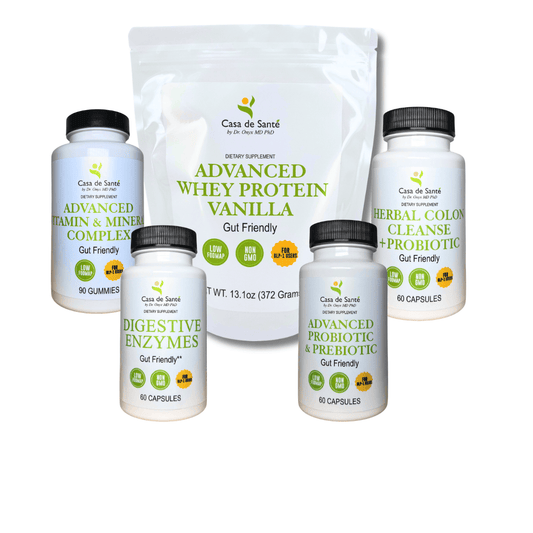
The appetite suppression from GLP-1 medications can sometimes lead to inadequate nutrient intake. Consider tracking your food intake temporarily to ensure you're getting sufficient protein, vitamins, and minerals. A high-quality multivitamin can provide insurance against deficiencies, but shouldn't replace efforts to consume nutrient-dense foods.
Pay particular attention to protein, calcium, vitamin D, iron, and B vitamins, which can be challenging to obtain in sufficient quantities when overall food intake decreases. Some patients benefit from protein supplements or nutrient-dense smoothies that deliver substantial nutrition in a smaller volume of food.
Psychological Strategies for Long-Term Success
The psychological aspects of GLP-1 treatment are often overlooked but critically important. These medications change your relationship with food in profound ways, which requires mental adaptation alongside physical changes.
Developing Mindful Eating Practices
GLP-1 medications provide a unique opportunity to develop mindful eating habits. With reduced hunger driving your food choices, you can focus more on eating for nourishment and enjoyment rather than to satisfy intense cravings. Practice eating slowly, savoring each bite, and stopping when comfortably satisfied rather than completely full.
Many users report that GLP-1s help them recognize true hunger versus emotional eating triggers. Use this awareness to develop new coping mechanisms for stress, boredom, or emotional challenges that don't involve food. Journaling, brief meditation practices, or simple breathing exercises can help create space between emotional triggers and eating responses.
Planning for the Long Term
Current evidence suggests that for most people, GLP-1 medications need to be continued indefinitely to maintain their effects. Consider how your current lifestyle changes can be sustained long-term, and develop contingency plans for challenges like travel, holidays, or periods of high stress.
Work with your healthcare provider to discuss realistic expectations about treatment duration. Some patients will eventually transition to maintenance doses or intermittent use, while others may benefit from continuous treatment. Building sustainable habits now—regardless of whether you continue medication indefinitely—creates a foundation for lasting health improvements.
Monitoring Progress Beyond the Scale
While weight loss is often the most visible outcome of GLP-1 treatment, focusing exclusively on the scale can be counterproductive. Establishing broader metrics of success helps maintain motivation and provides a more complete picture of your health improvements.
Consider tracking changes in body composition (the ratio of fat to muscle), blood pressure, blood sugar levels, cholesterol profiles, and inflammatory markers. Many patients see significant improvements in these health indicators even during periods when weight loss slows or plateaus. Physical measurements like waist circumference often reflect fat loss more accurately than scale weight, which can fluctuate due to water retention, muscle changes, and other factors.
Equally important are quality-of-life improvements: better sleep, increased energy, reduced joint pain, improved mobility, and enhanced mood. Creating a comprehensive dashboard of health metrics helps maintain perspective during the inevitable ups and downs of your journey with GLP-1 medication.
Conclusion
Maximizing your results with GLP-1 medications requires a multifaceted approach that extends beyond simply taking your weekly injection. By implementing strategic nutrition choices, appropriate exercise protocols, side effect management techniques, and psychological adaptations, you can enhance the effectiveness of these powerful medications.
Remember that your journey with GLP-1 treatment is unique, and finding the specific combination of strategies that works best for your body and lifestyle may require some experimentation. Work closely with your healthcare team, be patient with the process, and focus on creating sustainable habits that support your health for the long term. With the right approach, GLP-1 medications can be transformative tools in your journey toward improved metabolic health and weight management.