Candibactin AR and BR: Understanding Common Side Effects and Management










Candibactin AR and BR: Understanding Common Side Effects and Management
Common side effects of Candibactin AR and BR include digestive discomfort (nausea, bloating, diarrhea, or cramping), headaches, fatigue, and in some cases, temporary worsening of symptoms known as a Herxheimer or "die-off" reaction. These side effects are typically mild to moderate and often improve within the first 1-2 weeks of treatment as your body adjusts.
Candibactin AR and BR are popular herbal antimicrobial supplements frequently prescribed by integrative and functional medicine practitioners for SIBO (small intestinal bacterial overgrowth), candida overgrowth, and other gut dysbiosis conditions. While these supplements can be highly effective, understanding their potential side effects — and how to manage them — is key to a successful treatment experience.
What Are Candibactin AR and BR?
Candibactin AR and BR are herbal formulations designed to support intestinal health by addressing bacterial and fungal imbalances in the digestive tract. Typically used as part of a comprehensive gut restoration protocol, these supplements contain concentrated botanical ingredients that have antimicrobial, antifungal, and digestive-supporting properties.
Candibactin AR contains essential oils from thyme and oregano, which provide powerful antimicrobial effects. Candibactin BR, on the other hand, includes berberine-containing herbs like Chinese goldthread, Oregon grape, and barberry, which have been traditionally used to combat intestinal pathogens and support digestive function.
How These Formulations Work
The active compounds in these supplements work synergistically to create an environment that's less hospitable to unwanted microorganisms while supporting the growth of beneficial bacteria. The essential oils in Candibactin AR disrupt the cell membranes of harmful microbes, while the berberine in Candibactin BR interferes with their ability to adhere to intestinal walls and reproduce. Together, they create a comprehensive approach to addressing microbial imbalances in the gut.
These formulations are particularly notable for their targeted approach to biofilm disruption. Biofilms are protective matrices that harmful bacteria and fungi can create to shield themselves from both the immune system and antimicrobial agents. The potent phytochemicals in Candibactin AR, particularly the monoterpenes carvacrol and thymol from oregano and thyme, have been shown to penetrate these protective barriers. Meanwhile, the berberine compounds in Candibactin BR work at a metabolic level, interfering with the quorum sensing mechanisms that pathogenic microbes use to communicate and coordinate biofilm formation.
Many practitioners recommend using these supplements as part of a comprehensive protocol known as the "4R approach" - Remove, Replace, Reinoculate, and Repair. Within this framework, Candibactin AR and BR primarily serve in the "Remove" phase, helping to clear pathogenic organisms before beneficial bacteria are reintroduced. The formulations are typically taken for 4-8 weeks, with dosages gradually increased to minimize die-off reactions, which can include temporary digestive discomfort, headaches, or fatigue as harmful microorganisms are eliminated from the digestive tract.
Common Side Effects of Candibactin AR and BR
While many people tolerate these supplements well, some individuals may experience side effects, particularly during the initial stages of treatment. Understanding these potential reactions can help you prepare for and manage them effectively.
Digestive Discomfort
The most commonly reported side effects involve temporary digestive discomfort. This can include symptoms such as bloating, gas, abdominal cramping, or changes in bowel movements. These reactions often occur as part of what practitioners call a "die-off" reaction or Herxheimer reaction, where the rapid killing of microorganisms releases toxins that can temporarily worsen symptoms.
For some individuals, the potent essential oils in Candibactin AR may cause mild heartburn or a warming sensation in the stomach. This is typically more common when the supplement is taken on an empty stomach. The berberine compounds in Candibactin BR might occasionally lead to constipation in some users, while causing looser stools in others.
Headaches and Fatigue
Some people report experiencing headaches, brain fog, or increased fatigue when beginning treatment with these supplements. These symptoms are often attributed to the die-off reaction mentioned earlier, as the body processes and eliminates toxins released by dying microorganisms. While uncomfortable, these symptoms are generally temporary and tend to resolve as treatment continues.
Allergic Reactions
Though rare, allergic reactions to components of these herbal formulations can occur. Symptoms might include rash, itching, swelling, severe dizziness, or difficulty breathing. If you experience any of these symptoms, it's important to discontinue use immediately and seek medical attention. Individuals with known allergies to plants in the Lamiaceae family (thyme, oregano, mint) should exercise caution with Candibactin AR.
Managing Side Effects Effectively
While side effects can be uncomfortable, there are several strategies that can help minimize their impact and make the treatment process more tolerable. Implementing these approaches can often allow you to continue with the protocol while experiencing fewer adverse reactions.
Gradual Introduction and Dosage Adjustments
One of the most effective strategies for reducing side effects is to start with a lower dose than recommended and gradually increase it as your body adjusts. This "low and slow" approach gives your system time to adapt and can significantly reduce the intensity of die-off reactions. For example, you might begin with one capsule daily instead of the standard two or three, then increase by one capsule every few days as tolerated.
If side effects become too intense even at a lower dose, working with your healthcare provider to adjust the protocol may be necessary. Some practitioners recommend taking short breaks from the supplements if reactions are severe, then restarting at a lower dose once symptoms subside.
Supportive Digestive Enzymes
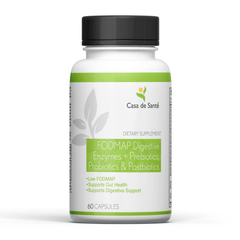
Adding high-quality digestive enzymes to your regimen can help manage many of the digestive side effects associated with Candibactin protocols. Comprehensive enzyme formulations, such as Casa de Sante's low FODMAP certified digestive enzymes, can be particularly beneficial during this time. Their professional-grade enzyme complex includes 18 targeted enzymes designed to break down proteins, carbohydrates, fats, and fiber, which may help reduce the bloating and digestive discomfort that can occur during treatment.
These enzymes work by supporting optimal digestion and nutrient absorption, which becomes especially important when the digestive system is under stress during microbial rebalancing. The inclusion of specific enzymes like Alpha Galactosidase provides additional FODMAP support, which can be particularly helpful for those experiencing increased sensitivity during treatment.
Hydration and Detoxification Support
Increasing water intake during treatment can help flush toxins from the system more efficiently, potentially reducing the intensity and duration of die-off symptoms. Aim for at least 2-3 liters of filtered water daily while taking these supplements. Some practitioners also recommend adding electrolytes to support hydration and mineral balance.
Additionally, gentle detoxification support may help manage side effects. This might include light exercise to promote lymphatic flow, dry skin brushing, Epsom salt baths, or infrared sauna sessions if available. These practices can support the body's natural elimination pathways, helping to clear toxins more efficiently.
When to Consult Your Healthcare Provider
While many side effects of Candibactin AR and BR are temporary and manageable, certain situations warrant professional medical attention. Being aware of these circumstances can help you determine when self-management is appropriate and when intervention is needed.
Severe or Persistent Symptoms
If you experience severe digestive distress, such as intense abdominal pain, vomiting, or diarrhea that persists for more than 24-48 hours, consult your healthcare provider. Similarly, if headaches are debilitating or accompanied by fever, seek medical attention promptly. Any side effects that significantly impact your ability to function normally should be evaluated by a professional.
Persistent symptoms that don't improve after 1-2 weeks of treatment, even with management strategies in place, should also be discussed with your healthcare provider. This could indicate that the protocol needs adjustment or that another underlying issue needs to be addressed.
Medication Interactions
The berberine in Candibactin BR may interact with certain medications, including some antibiotics, antidiabetic drugs, and blood thinners. If you're taking prescription medications, it's essential to consult with your healthcare provider before starting these supplements. If you notice any unusual symptoms while taking Candibactin products alongside other medications, contact your healthcare provider immediately.
Optimizing Your Treatment Experience
Beyond managing side effects, there are several approaches that can enhance the effectiveness of Candibactin protocols while supporting overall comfort and well-being during treatment.
Dietary Considerations
Many practitioners recommend following a lower-carbohydrate, anti-inflammatory diet while using Candibactin products. This typically involves reducing refined sugars, processed foods, and potentially inflammatory ingredients that might feed unwanted microorganisms or contribute to intestinal inflammation.
Including plenty of non-starchy vegetables, quality proteins, and healthy fats can support the healing process. Some individuals find that temporarily reducing FODMAP foods helps minimize digestive discomfort during treatment. In these cases, a comprehensive digestive enzyme supplement with specific FODMAP support, like those offered by Casa de Sante, can be particularly valuable for improving tolerance to a wider variety of foods during this sensitive time.
Stress Management and Sleep
Stress can significantly impact digestive function and may exacerbate side effects during treatment. Implementing stress-reduction practices such as meditation, gentle yoga, deep breathing exercises, or time in nature can support your body's healing response and potentially reduce the intensity of side effects.
Prioritizing quality sleep is equally important, as the body performs much of its repair and detoxification work during sleep. Aim for 7-9 hours of restful sleep each night, and consider establishing a calming bedtime routine to improve sleep quality during treatment.
Herxheimer (Die-Off) Reactions vs. True Side Effects
One of the most important distinctions to understand when taking Candibactin AR and BR is the difference between a Herxheimer reaction (also called a "die-off" reaction) and a genuine adverse side effect.
What Is a Herxheimer Reaction?
A Herxheimer reaction occurs when antimicrobial agents (like the active compounds in Candibactin AR and BR) kill off pathogenic bacteria or fungi faster than your body can eliminate the resulting toxins. This temporary flood of endotoxins can cause symptoms such as:
- Worsening of existing digestive symptoms (bloating, gas, diarrhea)
- Fatigue, brain fog, or malaise
- Headaches and body aches
- Skin breakouts or rashes
- Mood changes (irritability, anxiety)
While uncomfortable, a Herxheimer reaction is generally considered a positive sign that the antimicrobials are working. These reactions typically peak within the first 3-7 days and gradually subside as the microbial load decreases.
How to Tell the Difference
Die-off reactions tend to be temporary (lasting days, not weeks) and often follow a pattern of initial worsening followed by improvement. True adverse side effects, on the other hand, may persist or worsen over time. If your symptoms are getting progressively worse after 10-14 days rather than improving, consult your healthcare provider — this may indicate the protocol needs adjustment.
How Long Do Candibactin Side Effects Last?
The duration of Candibactin AR and BR side effects varies depending on several factors:
- Initial die-off symptoms: Typically peak within days 3-7 and resolve by days 10-14
- Mild digestive discomfort: Usually improves within the first 1-2 weeks as the gut adjusts
- Headaches and fatigue: Often resolve within 5-10 days, especially with adequate hydration
- Overall treatment duration: Most Candibactin protocols last 4-8 weeks; side effects are usually most noticeable in the first 2 weeks
If you're experiencing persistent side effects beyond the first 2-3 weeks of treatment, it's important to discuss this with your practitioner. They may recommend adjusting the dosage, adding supportive supplements, or temporarily pausing the protocol.
Support Your Gut During Antimicrobial Treatment
Managing Candibactin side effects is easier with the right digestive support. GLP-1 Digestive Enzyme Companion provides a comprehensive 18-enzyme blend that helps break down food more efficiently, reducing the digestive burden during antimicrobial protocols. Physician-formulated, low FODMAP certified, and designed for sensitive stomachs.
Rebuild Your Gut Flora After Treatment
Once your Candibactin protocol is complete, replenishing beneficial bacteria is essential. GLP-1 Digestive Support Synbiotic combines probiotics, prebiotics, and postbiotics in one MD PhD-formulated supplement to help restore healthy gut flora after antimicrobial treatment.
Conclusion
Candibactin AR and BR are widely used and generally well-tolerated herbal antimicrobials for addressing SIBO, candida overgrowth, and other digestive imbalances. While side effects like digestive discomfort, headaches, and die-off reactions are common — especially in the first 1-2 weeks — they are typically manageable with proper dose titration, supportive supplements, adequate hydration, and dietary modifications.
The key to a successful Candibactin protocol is patience, communication with your healthcare provider, and proactive management of side effects. Remember: temporary discomfort during treatment often indicates that the antimicrobials are working. With the right support, most people can complete their protocol successfully and experience meaningful improvement in their digestive health.
Key Takeaways
- Most common Candibactin AR and BR side effects include digestive discomfort (nausea, bloating, diarrhea), headaches, fatigue, and die-off (Herxheimer) reactions.
- Die-off reactions are temporary and typically peak within days 3-7, then subside — they're generally a sign the antimicrobials are working.
- Start low and go slow: Beginning with half the recommended dose and gradually increasing helps minimize side effects.
- Digestive enzyme supplementation during treatment can significantly reduce gastrointestinal side effects.
- Stay well-hydrated (at least 8-10 glasses of water daily) to support your body's detoxification processes.
- Contact your healthcare provider if side effects are severe, persistent (beyond 2-3 weeks), or include signs of an allergic reaction.
Frequently Asked Questions About Candibactin AR and BR Side Effects
Can Candibactin AR and BR cause diarrhea?
Yes, diarrhea is one of the more common side effects of Candibactin AR and BR, particularly during the first week of treatment. This can be caused by the antimicrobial ingredients disrupting the existing microbial balance in the gut, or as part of a die-off reaction. If diarrhea is persistent or severe, try reducing your dose by half and gradually increasing it over 1-2 weeks. Taking the supplements with meals (rather than on an empty stomach) and supporting your gut with a digestive enzyme supplement can also help.
Is it normal to feel worse before feeling better on Candibactin?
Yes, this is very common and is often referred to as a Herxheimer or "die-off" reaction. When Candibactin AR and BR begin killing off pathogenic bacteria or fungi, the release of endotoxins can temporarily worsen symptoms like bloating, fatigue, headaches, and brain fog. This initial worsening typically peaks around days 3-7 and begins to improve by the end of the second week. If symptoms continue to worsen after 2 weeks, consult your practitioner for a protocol adjustment.
Can I take Candibactin AR and BR on an empty stomach?
While some protocols recommend taking Candibactin on an empty stomach for maximum antimicrobial effect, this can increase the risk of nausea and digestive discomfort. If you experience stomach upset, try taking the supplements with meals or a small snack. Many practitioners find that taking them with food still provides effective antimicrobial activity while significantly reducing gastrointestinal side effects.
How long should I take Candibactin AR and BR?
A typical Candibactin protocol lasts 4-8 weeks, depending on the severity of your condition and your practitioner's assessment. Some complex cases of SIBO or candida may require longer treatment or multiple rounds. It's important not to discontinue the supplements prematurely, as incomplete treatment can lead to relapse. Always follow your healthcare provider's recommended duration and dosage.
Can I take probiotics while on Candibactin AR and BR?
Opinions vary among practitioners. Some recommend waiting until after the antimicrobial protocol is complete before introducing probiotics (during the "reinoculate" phase of the 4R protocol). Others believe that certain probiotic strains, particularly Saccharomyces boulardii (a beneficial yeast that is resistant to herbal antimicrobials), can be taken concurrently to help support the gut lining and reduce die-off symptoms. Discuss the best approach with your healthcare provider based on your specific condition.
Disclaimer: This article is for informational purposes only and does not constitute medical advice. Candibactin AR and BR should be taken under the guidance of a qualified healthcare practitioner. If you experience severe or persistent side effects, discontinue use and consult your healthcare provider immediately.