Semaglutide Stopping Before Pregnancy: A Practical Timeline












If you're on semaglutide (Ozempic, Wegovy, or Rybelsus) and thinking about pregnancy, the hardest part usually isn't the decision to stop, it's figuring out when to stop without undoing the health progress you've worked for. The good news: you can approach this with a simple, calendar-friendly plan.
This guide walks you through a practical semaglutide stopping before pregnancy timeline, what the "stop 2 months before" guidance really means, how to handle the washout period, and what to do if you get a positive test sooner than expected. (And yes, there's a way to protect your gut through the transition too.)
Why Timing Matters With Semaglutide When Planning Pregnancy
Semaglutide isn't like a medication you take today and "clear" tomorrow. It's designed to last, one reason it works so well for appetite regulation and blood-sugar support, but also the reason pregnancy planning needs a little runway.
The FDA labeling for semaglutide products recommends discontinuing at least 2 months (8 weeks) before a planned pregnancy. That guidance is primarily about minimizing fetal exposure, because animal studies showed potential harm, and human pregnancy data is still limited.
It's also why most clinicians recommend using contraception until the medication is cleared, not because anyone expects you to become pregnant accidentally, but because bodies and cycles don't always follow spreadsheets.
How Long Semaglutide Stays In Your System
Semaglutide has an approximate 7-day half-life. In plain English: after about a week, roughly half of the drug is still active in your body.
A common pharmacology rule is that it takes around 5 half-lives for a medication to be mostly eliminated. For semaglutide, that's roughly:
- 7 days × 5 half-lives = ~35 days (about 5 weeks)
In many healthy adults, most semaglutide is effectively gone by ~6 weeks, but the label's 8-week recommendation builds in a buffer for real-life variation (dose, individual metabolism, adherence, and timing around ovulation).
What "Stop 2 Months Before" Typically Means In Real Life
"Stop 2 months before pregnancy" can sound vague, because you can't schedule conception with perfect precision.
Here's the practical translation:
- You're aiming to have your last dose at least 8 weeks before you start trying to conceive.
- If you're timing intercourse or ovulation intentionally, that means you ideally enter your "trying" window when semaglutide is essentially out of your system.
It's worth noting what this guidance is not: it's not the same kind of strict teratogenic washout you hear with certain medications (like methotrexate). Semaglutide's timeline is driven by pharmacokinetics (how long it lingers) plus a cautious approach given limited human pregnancy data.
If you've been thinking, "Do I really need eight weeks?", that's the logic behind it. Shortening the window increases the chance that early embryonic development overlaps with residual drug exposure.
Your Stop-Semaglutide Timeline: From Preconception To Positive Test
If you want this to feel less stressful, treat it like a phased transition rather than a cliff. The goal isn't just "stop the medication." It's to stop it safely, keep your metabolism as steady as possible, and avoid surprise nutritional gaps right when fertility and early pregnancy demand more.
12–8 Weeks Before Trying: Planning, Labs, And Goal-Setting
This is your "set the foundation" phase, especially if you've been on semaglutide for weight loss, insulin resistance, PCOS, prediabetes, or type 2 diabetes.
What to do during this window:
- Book a preconception visit (OB-GYN, reproductive endocrinologist, or primary care, whoever is coordinating your plan).
- Confirm your stop date and how you'll handle glucose/weight changes after stopping.
- Get baseline labs that often matter before pregnancy:
- A1c (and sometimes fasting glucose/insulin)
- Vitamin D, B12, iron/ferritin (common "quiet" deficiencies)
- Lipids or thyroid testing if you have risk factors
- Start folic acid: the common baseline recommendation is 400 mcg/day (your clinician may recommend more depending on your history).
- Set a realistic "maintenance" goal rather than pushing aggressive loss right up to the stop date. Many people do better focusing on consistent protein, strength training, and sleep, because those habits are what hold you up during washout.
If you're prone to GI side effects on GLP-1s (nausea, reflux, constipation), this is also the moment to simplify your food routine, so when the medication stops, your gut isn't dealing with a totally new diet at the same time.
8–0 Weeks Before Trying: Washout Window, Weight Stabilization, And Symptom Tracking
This is the official washout period: stop semaglutide and let it clear.
What you're aiming for:
- A clear 8-week buffer between your last dose and conception attempts.
- Weight stabilization, not perfection.
- A plan for rebound appetite so you're not white-knuckling hunger.
What to track (lightly, not obsessively):
- Hunger/fullness cues (you may notice you think about food earlier in the day)
- Weight trend (weekly averages can be more useful than daily numbers)
- Blood sugar if you monitor (especially if you have prediabetes/T2D)
- GI symptoms: reflux, nausea, constipation/diarrhea
A common experience is that appetite returns in layers. The first 1–2 weeks off can feel surprisingly normal, then hunger and cravings ramp up as the drug level falls further. Planning for that pattern, protein at breakfast, structured snacks, high-fiber carbs you tolerate, can prevent the "sudden free fall" feeling.
If You Get A Positive Test While Still On Semaglutide
If you take a pregnancy test and it's positive while you're still using semaglutide (or you stopped recently and realize the timing overlapped), the best move is straightforward:
- Stop semaglutide immediately.
- Contact your OB-GYN or prescribing clinician right away for individualized guidance.
This is the part where anxiety spikes, so here's the balanced reality: animal studies raised concerns, which is why avoidance is recommended. But limited human data has not shown a clear signal of major congenital anomalies from early first-trimester exposure in the small reports we have.
In other words: you don't ignore it, but you also don't assume the worst. Your clinician may document timing and dose, review other medications/supplements, and guide next steps for glucose control and nutrition in early pregnancy.
What To Do During The Washout Period To Maintain Progress
The washout window is where most people feel vulnerable, because semaglutide was doing real work in the background. You're not imagining it if things feel "louder" without it.
Think of this phase as metabolic maintenance: you're trying to keep blood sugar steady, appetite predictable, and digestion calm while your body resets.
Appetite, Blood Sugar, And Weight Changes You Might Notice
Common, very human experiences after stopping include:
- More frequent hunger or less "automatic" portion control
- More food noise (thinking about snacks, cravings, decision fatigue)
- A bit of water-weight fluctuation
- If you have insulin resistance: higher post-meal blood sugar or more energy dips
You can't fully replicate a GLP-1's effect with lifestyle, but you can blunt the swing.
A few strategies that tend to help:
- Protein first at meals (it's the most reliable lever for satiety)
- Don't let yourself get overly hungry (that's when ultra-palatable foods win)
- Build "volume" with tolerated fiber, especially from lower-FODMAP options if you're sensitive
- Strength training to preserve lean mass (which supports metabolic rate)
If you're worried about regain, reframe the goal: the win is stability while you're planning pregnancy, not chasing your lowest scale number.
Nutrition Priorities For Fertility And GI Tolerance
Preconception nutrition isn't a cleanse. It's more like stocking your pantry with ingredients your body will keep asking for.
Focus areas that pull double duty (fertility + digestion):
- Protein: aim for a protein source at every meal (eggs, poultry, fish, tofu/tempeh, Greek yogurt if tolerated). If protein shakes are part of your routine, choose ones that are gentle on your stomach.
- Folate + choline: folic acid supplement plus foods like leafy greens, beans/lentils (as tolerated), eggs.
- Iron and B12: especially if you eat less red meat or have had long stretches of reduced intake on GLP-1s.
- Vitamin D: common low levels: check and supplement as advised.
- Fiber you actually tolerate: if you're IBS-prone, more fiber isn't always better, it has to be the right type and dose.
If you're someone who gets bloating, cramping, or constipation easily, a low FODMAP-style approach during the transition can be useful, not necessarily full elimination, but choosing calmer carbs (rice, oats, potatoes), gentler fruits (berries, citrus), and measured portions of higher-FODMAP foods.
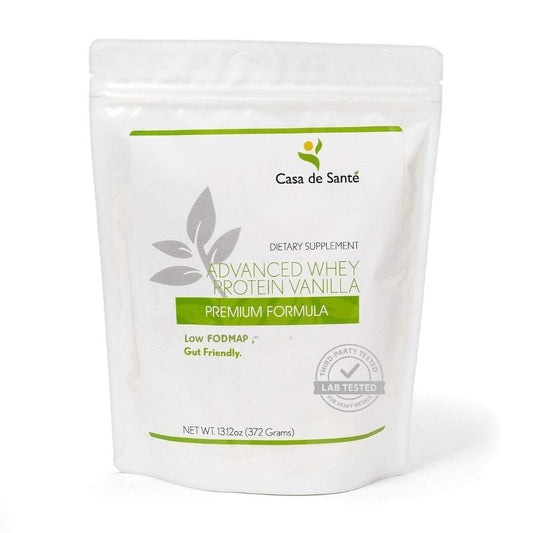
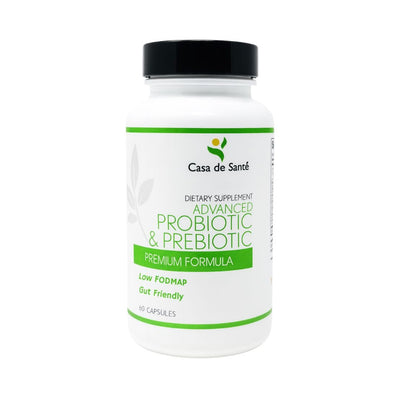
This is also where brands like Casa de Sante can fit naturally: physician-formulated digestive health tools designed for GLP-1 users, like gut-friendly supplements and personalized meal plans, can make the washout period less of a guessing game, especially if your stomach is easily thrown off.
Exercise And Sleep Habits That Support Metabolic Stability
If semaglutide helped "turn down" appetite, then sleep and strength training help turn down chaos.
Practical targets that matter more than fancy routines:
- Strength training 2–3x/week (full-body basics: squats, hinges, pushes, pulls, modify as needed)
- Daily walking (even 10–20 minutes after meals can help glucose patterns)
- 7–9 hours of sleep as your default goal
Sleep is the underrated one. When you're short on sleep, hunger hormones, cravings, and blood sugar volatility all get harder to manage, exactly what you're trying to avoid during washout.
If you want one simple rule: protect your mornings. A protein-forward breakfast plus light movement early in the day often sets a steadier appetite pattern all the way to bedtime.
Special Situations That Change The Timeline
The 8-week recommendation is the baseline, but your real timeline may be more customized depending on why you were prescribed semaglutide, and what needs to be kept stable when you stop.
PCOS, Prediabetes, Or Type 2 Diabetes: Coordinating A Safer Bridge Plan
If semaglutide has been doing heavy lifting for insulin resistance, the key issue isn't just stopping, it's what replaces it so glucose stays pregnancy-safe.
Talk with your clinician about a bridge plan that may include:
- Metformin (commonly used in PCOS and prediabetes, and often continued in pregnancy depending on your case)
- Insulin if needed (especially for established type 2 diabetes)
- More frequent glucose monitoring during the transition
Preconception glycemic control matters because elevated blood sugar early in pregnancy is associated with higher risk. So in this group, you may actually start planning earlier than 12 weeks, not because semaglutide takes longer to clear, but because stabilizing glucose after stopping can take time.
Perimenopause, Menopause, And Hormone Therapy Considerations
If you're 35–55, there's a decent chance semaglutide isn't the only moving piece, you may also be navigating perimenopause symptoms, cycle changes, or hormone therapy.
There isn't strong direct data on semaglutide washout + HRT timing, but practical coordination matters:
- If your cycles are irregular, you may want a more conservative buffer (so you're not surprised by ovulation).
- If you're adjusting hormone therapy, try not to stack major changes (new HRT regimen + stopping semaglutide + intense diet) in the same month.
The most helpful approach is to pick one "big change" at a time, then give your body 2–4 weeks to show you what's happening.
IVF, Egg Freezing, And Other Assisted Reproduction Timelines
Assisted reproduction compresses timelines, and that can collide with the 8-week stop recommendation.
General planning points to discuss with your fertility team:
- Align your last semaglutide dose at least 8 weeks before embryo transfer (or before the window where pregnancy is possible).
- For egg freezing, the pregnancy exposure concern is different than transfer, but clinics may still ask you to stop in advance due to anesthesia, nausea risk, hydration/nutrition needs, and cycle monitoring.
- If you're doing IVF, you may need to map your washout around stimulation cycles so you're not dealing with appetite rebound and GI symptoms at the exact moment you're trying to optimize nutrient intake.
Because protocols vary, don't rely on internet timelines here, let your clinic set the "non-negotiable dates," then build your semaglutide stop plan backward from those.
Managing Digestive Side Effects As You Stop (And After)
GLP-1 digestive side effects can be weirdly unpredictable: some improve quickly after stopping: others pop up because your eating pattern changes (more volume, more fiber, different meal timing). The transition is a gut "weather change," and your job is to dress for it.
Reflux, Nausea, Constipation, And Diarrhea: What Often Improves And What Can Flare
What often improves as semaglutide levels drop:
- Nausea (especially the lingering, low-grade kind)
- Reflux/heartburn related to delayed gastric emptying
- That overly-full feeling after small meals
What can flare for some people during washout:
- Increased constipation (if your fiber choices change abruptly or hydration slips)
- Diarrhea or urgency (often from diet changes, anxiety/stress, or higher fat intake)
- Bloating (especially if you "make up for lost time" with higher-FODMAP foods)
The theme: your gut doesn't love sudden swings. If you ramp up food quantity quickly after stopping, your GI tract may complain, even if semaglutide-related nausea is gone.
Food Strategies For Sensitive Stomachs During Transition
If your stomach is sensitive, use "boring" as a strategy for a few weeks.
Try:
- Smaller, more frequent meals (especially if appetite comes back hard)
- Lower-fat cooking when reflux is active (fat can worsen symptoms)
- Gentle carbs: oats, rice, potatoes, sourdough (as tolerated)
- Easy proteins: eggs, fish, poultry, lactose-free Greek yogurt
- Ginger or peppermint if they help you (peppermint can worsen reflux for some, annoying but true)
- Hydration with electrolytes if nausea reduced your fluid intake previously
If you do better with structure, a personalized approach like Casa de Sante's low FODMAP meal plans and GLP-1-friendly digestive support can take pressure off decision-making, especially when you're trying to keep both appetite and GI symptoms steady.
When To Involve Your Clinician
Loop in your clinician promptly if:
- You get a positive pregnancy test while on semaglutide or within the washout window
- You have diabetes or significant prediabetes and your blood sugars rise after stopping
- You're vomiting, can't keep fluids down, or have signs of dehydration
- Constipation becomes severe (pain, no bowel movement for days, bleeding) or diarrhea is persistent
- You're unintentionally losing weight, struggling to eat, or your nutrition feels compromised
Preconception is not the time to "tough it out" with uncontrolled symptoms. Small fixes early can prevent bigger problems later, especially once you're pregnant and your medication options narrow.
Conclusion
If you remember one number, make it this: stop semaglutide at least 8 weeks before you try to conceive. That timeline isn't arbitrary, it matches how long semaglutide can linger in your body.
Then zoom out. The real win isn't just clearing the medication: it's using the washout period to build a steadier baseline: protein-forward meals, tolerable fiber, consistent movement, and sleep that actually supports appetite control. If you have PCOS, prediabetes, or type 2 diabetes, plan even earlier so you can transition to a safer bridge strategy without glucose whiplash.
And if pregnancy happens sooner than planned, don't spiral, stop semaglutide, call your clinician, and move forward with calm, well-documented next steps. The goal is a healthy pregnancy and a body you feel good living in, not just a perfectly executed timeline.
Frequently Asked Questions
When should I stop semaglutide before pregnancy (Ozempic, Wegovy, or Rybelsus)?
FDA labeling for semaglutide (Ozempic, Wegovy, Rybelsus) recommends stopping at least 2 months (8 weeks) before a planned pregnancy. In real life, that usually means planning your last dose at least 8 weeks before you start trying to conceive, and using contraception until it’s cleared.
How long does semaglutide stay in your system after your last dose?
Semaglutide has an approximate 7-day half-life, meaning about half remains after one week. Using the common “5 half-lives” rule, it takes roughly 35 days (about 5 weeks) to mostly eliminate. Many healthy adults clear most by ~6 weeks, but 8 weeks adds a safety buffer.
What does the “stop semaglutide 2 months before pregnancy” guidance actually mean?
It generally means you should have your last semaglutide dose at least 8 weeks before you begin attempting conception, so early embryonic development is less likely to overlap with residual drug exposure. The timeline is based on pharmacokinetics and limited human pregnancy data—not a strict teratogen washout like some medications.
What if I get a positive pregnancy test while still on semaglutide or during the washout window?
Stop semaglutide immediately and contact your OB-GYN or prescriber right away for individualized guidance. The avoidance recommendation stems from animal data and limited human data, but small human reports haven’t shown a clear signal of major congenital anomalies from early first-trimester exposure. Document timing and follow clinical advice.
How can I manage rebound hunger or weight regain during the semaglutide stopping before pregnancy timeline?
Aim for stability during the 8-week washout: prioritize protein at meals, avoid getting overly hungry, and use tolerable fiber to support fullness and digestion. Track weekly weight trends and (if relevant) blood sugar. Strength training 2–3 times weekly, regular walking, and 7–9 hours of sleep can help blunt appetite and glucose swings.
If I have PCOS, prediabetes, or type 2 diabetes, do I need a different semaglutide stopping before pregnancy timeline?
Often, yes—because the bigger challenge can be maintaining pregnancy-safe glucose control after stopping semaglutide. Many clinicians plan earlier than 12 weeks to build a “bridge” plan (commonly metformin and/or insulin) and increase glucose monitoring. Coordinate timing closely with your OB-GYN, endocrinologist, or fertility team.