Why Collagen Beats Standard Protein Shakes for GLP-1 Users—The Shocking Truth
Navigating the nutritional landscape while on GLP-1 agonists can be tricky. With many options available, understanding which protein source aligns best with your body's needs is vital. This article delves into the differences between collagen and standard protein shakes, highlighting their unique benefits for GLP-1 users like you.
Understanding GLP-1 Agonists and Their Impact on Nutrition
GLP-1 agonists, such as semaglutide (Ozempic) and liraglutide (Saxenda), play a crucial role in managing conditions like diabetes and obesity by enhancing insulin secretion and reducing appetite. These medications, while effective, significantly influence your nutritional needs and digestion.To maximize the benefits of GLP-1 therapy, you need to be mindful of what you consume. It's vital to focus on nutrients that promote a healthy gut lining and control inflammation, both essential for achieving balanced metabolic health.
What Is Collagen and Its Health Benefits?
Collagen is the most abundant protein in the body, playing a pivotal role in maintaining the structure of your skin, bones, muscles, and even your gut lining. As you age, your body produces less collagen, which may lead to digestive discomfort, joint pain, and skin issues.
Health Benefits of Collagen
- Gut Health: Collagen supports gut lining integrity, which is crucial for preventing leaky gut syndrome, something GLP-1 users should consider.
- Skin Elasticity: With collagen supplementation, you can improve skin elasticity, addressing issues that often accompany weight loss.
- Joint Support: For those experiencing joint discomfort, collagen can ease inflammation and promote mobility.
Standard Protein Shakes: Types and Benefits
Standard protein shakes largely come in two forms: whey and plant-based. Both have their unique advantages, depending on your dietary preferences.
Types of Protein Shakes
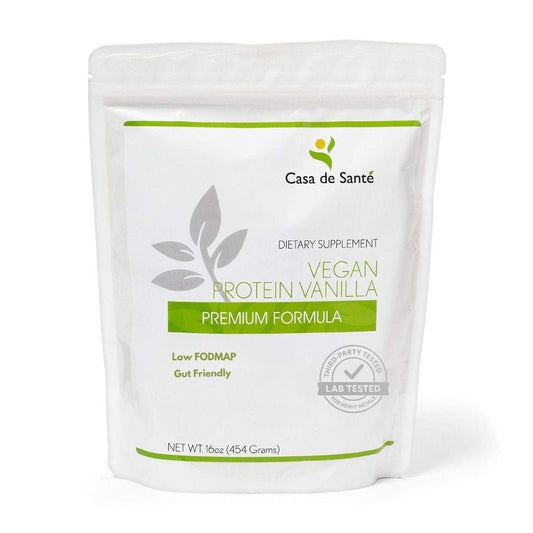
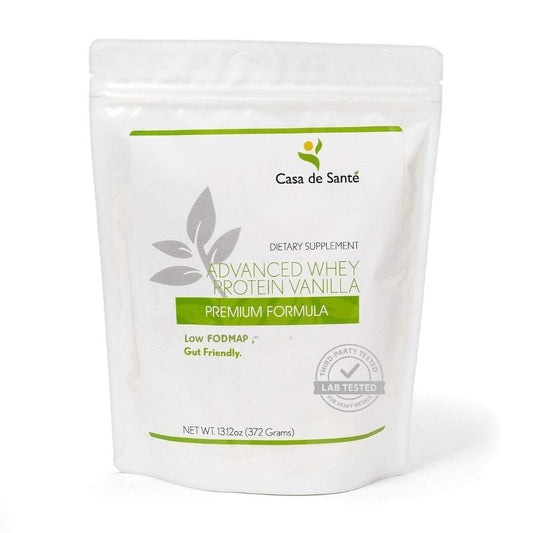
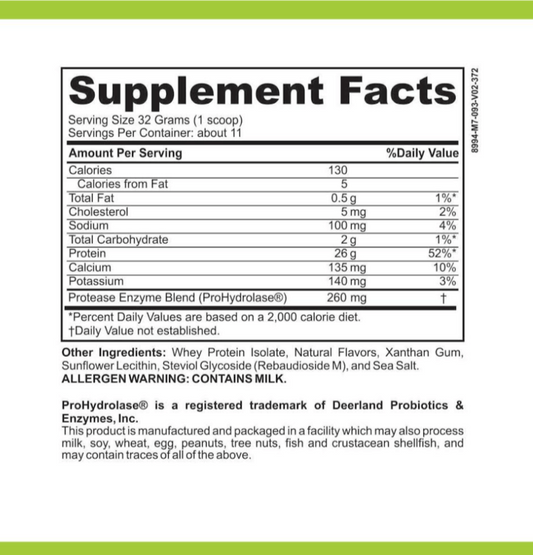
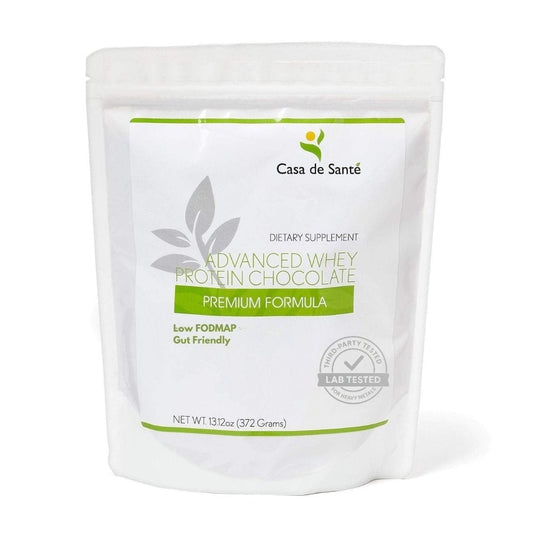
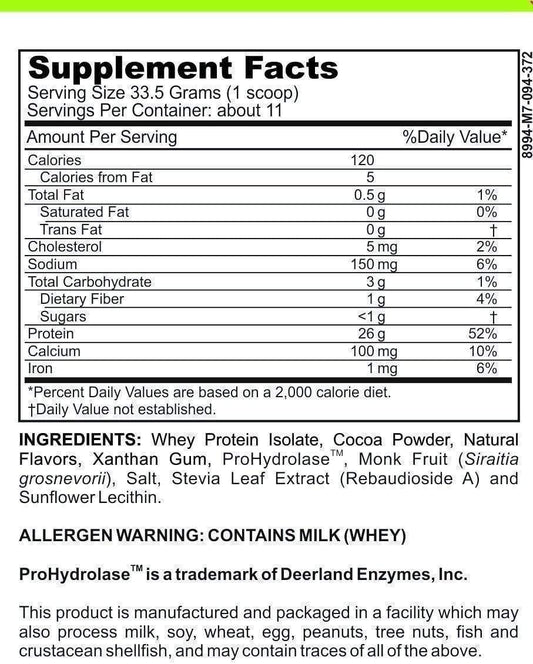
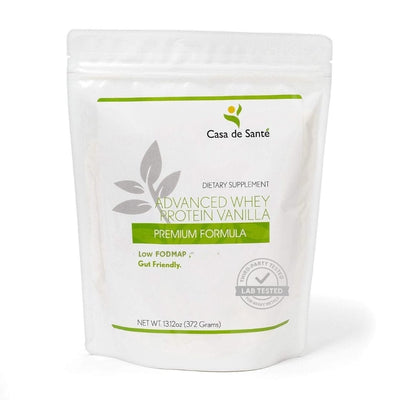
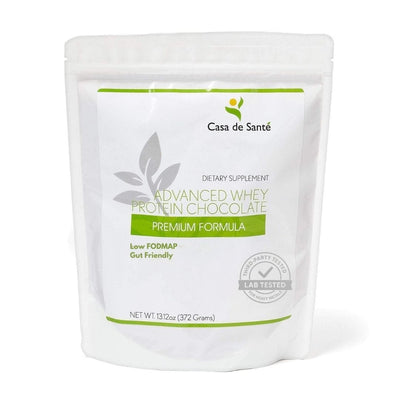
- Whey Protein: A dairy-derived protein high in essential amino acids, particularly BCAAs. Quick to absorb, it's great post-workout but can cause digestive discomfort for those sensitive to lactose.
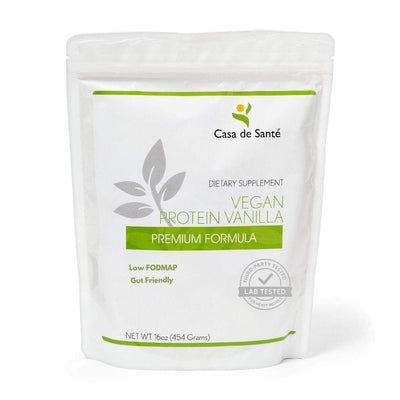
- Plant-Based Protein: From sources like pea, soy, or rice. These are excellent for vegetarians or those lactose intolerant, though they may lack certain essential amino acids compared to whey.
Benefits
- Muscle Recovery: Both types support muscle recovery and growth, making them popular among fitness enthusiasts.
- Weight Management: Protein shakes can help control hunger and support satiety, aiding weight loss efforts. But, they lack the gut-specific benefits that collagen provides.
Comparing Collagen and Standard Protein Shakes for GLP-1 Users
For GLP-1 users, the choice between collagen and standard protein shakes goes beyond protein intake.
Nutritional Considerations for GLP-1 Users
- Digestive Comfort: Collagen is low-FODMAP, minimizing bloating and digestion issues, making it a suitable option for those with sensitive stomachs. In contrast, whey protein can exacerbate digestive discomfort.
- Glycemic Control: Collagen does not impact blood sugar levels, making it advantageous for individuals managing glucose levels on GLP-1 therapy.
Timing and Dosage: When to Consume Collagen or Protein Shakes
- Collagen: Integrate collagen peptides into your morning routine or as an afternoon boost. Combine it with low-carb smoothies or drinks to enhance gut lining support.
- Protein Shakes: Typically consumed post-exercise for muscle recovery or as meal replacements. Ensure they align with your dietary goals and don't aggravate your digestive system.
Potential Side Effects and Considerations
While both collagen and standard protein shakes have their benefits, side effects can arise.
- Collagen: Generally well-tolerated, some may experience mild digestive issues initially. It's essential to start with a lower dose and gradually increase it.
- Protein Shakes: Whey protein might cause bloating, gas, or diarrhea, especially in those with lactose intolerance. Plant-based proteins can also lead to digestive discomfort for some.
Eventually, testing your body's reaction to either option is vital, especially while managing medications like GLP-1.
Conclusion
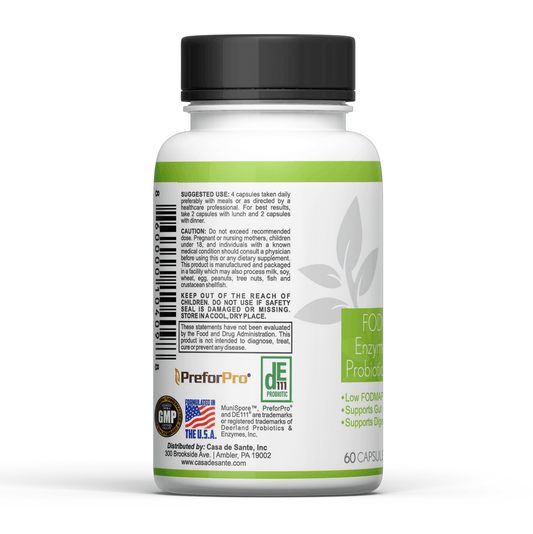
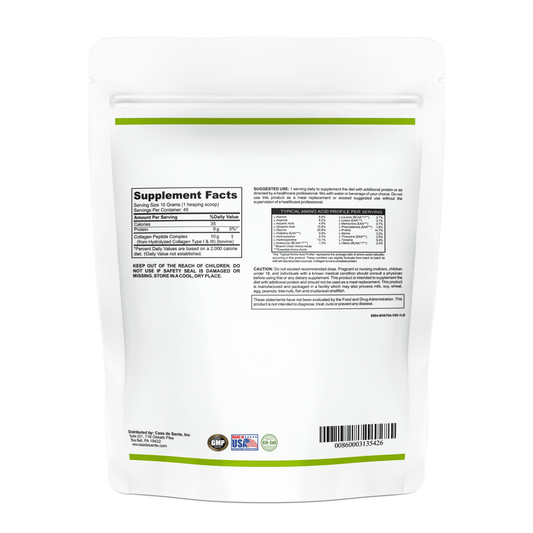
To conclude, while both collagen and standard protein shakes can be beneficial, collagen stands out as a superior choice for GLP-1 users due to its gut-friendly properties and compatibility with digestive sensitivities. By choosing a product like Casa de Sante Collagen Peptides, formulated for optimal absorption and support for digestive health, you're making a smart move in your wellness journey.
✨ Ready to support your gut, skin, and joints, without the discomfort? Experience the power of physician-formulated precision nutrition with Casa de Sante Collagen Peptides, developed by Dr Onyx MD PhD. This advanced, hydrolyzed, low-FODMAP collagen blend is crafted for sensitive digestive systems and sourced from pasture-raised, grass-fed cattle to ensure purity and absorption. Whether you're focused on gut lining repair, inflammation reduction, glowing skin, stronger nails, or metabolic wellness, this formula delivers comprehensive support that aligns with keto, paleo, and low-carb lifestyles. Elevate your digestive and metabolic health with science-driven collagen that's as gentle as it is effective. 👉 Explore more and order now at Casa de Sante.
Key Takeaways
- For GLP-1 users, collagen is a better option than standard protein shakes due to its gut-friendly benefits and low-FODMAP properties.
- Collagen supports digestive health by maintaining gut lining integrity, which is particularly important for individuals on GLP-1 therapy.
- Standard protein shakes, while beneficial for muscle recovery, may lead to digestive discomfort, especially whey protein for those with lactose sensitivity.
- Blood sugar levels remain stable with collagen, making it advantageous for those managing glucose levels on GLP-1 medications.
- Choosing a high-quality collagen supplement, like Casa de Sante Collagen Peptides, can enhance both digestive health and overall wellness.