Unlocking the Secrets of Collagen for Your SIBO-Friendly Diet: The Ultimate Guide
If you're navigating the complexities of SIBO (Small Intestinal Bacterial Overgrowth), you might already be feeling the weight of dietary constraints. But what if there were a powerful supplement that could help? Enter collagen, your potential ally in building a gut-friendly diet. Let's explore how to incorporate collagen seamlessly into your SIBO-friendly lifestyle.
Understanding SIBO and Its Dietary Implications
SIBO is a condition where excessive bacteria grow in the small intestine, leading to symptoms like bloating, gas, and abdominal pain. One of the most effective ways to manage SIBO is through careful dietary adjustments. Generally, those with SIBO are encouraged to follow a low-FODMAP diet that reduces foods that can ferment in the gut and exacerbate symptoms. This can be limiting, but it also opens the door to beneficial nutrients that can aid recovery.
Diet is critical for those with SIBO because it can either fuel or hinder symptoms. You'll want to avoid high-FODMAP foods like certain grains, legumes, and some fruits that can provoke bacterial overgrowth. Instead, focusing on gut-healing nutrients and incorporating anti-inflammatory foods can assist in restoring balance to your digestive system.
What Is Collagen and Its Benefits
Collagen is the most abundant protein in your body, playing a crucial role in the structure of your skin, bones, and connective tissues. Beyond beauty and aesthetics, collagen supports gut health, skin elasticity, joint pain relief, and overall metabolic wellness.
For SIBO sufferers, the benefits include:
- Gut lining support: Collagen is known to help repair and strengthen the intestinal lining, which can be particularly beneficial when feeling the strains of gut discomfort.
- Reduced inflammation: By managing inflammation in the gut, collagen can aid in reducing some of the adverse symptoms associated with SIBO.
- Easily digestible: Collagen peptides are hydrolyzed, meaning they're broken down into smaller particles for quick absorption, making them a viable option for those with sensitive digestive systems.
Summarizing, collagen can provide essential support for those navigating the tricky waters of SIBO.
Incorporating Collagen Into Your SIBO Friendly Diet
Adding collagen to your diet can be straightforward and enjoyable. Here are some effective strategies:
- Collagen Peptides in Beverages: Mix collagen peptides into your morning coffee, tea, or smoothies. It integrates easily without altering flavor.
- Soups and Broths: Use bone broth, which naturally contains collagen. This can also be soothing for your digestive system, making it ideal for SIBO.
- Baking: If you enjoy baking, consider adding collagen to your baked goods like muffins or pancakes, using low-FODMAP ingredients.
- Powdered Options: Many brands offer tasteless collagen powders that can be added to shakes, oatmeal, or even salad dressings.
- Consult with Professionals: Always consider consulting with a healthcare professional or nutritionist when making significant changes to your diet, especially with SIBO.
Potential Sources of Collagen for a SIBO Friendly Diet
When selecting collagen sources for a SIBO-friendly diet, ensure you're choosing high-quality options:
- Hydrolyzed Collagen Peptides: These are often derived from pasture-raised, grass-fed cattle. They're easier to digest and effectively support gut health.
- Bone Broth: Homemade or high-quality store-bought bone broth is a rich source of collagen and can help with inflammation and gut lining repair.
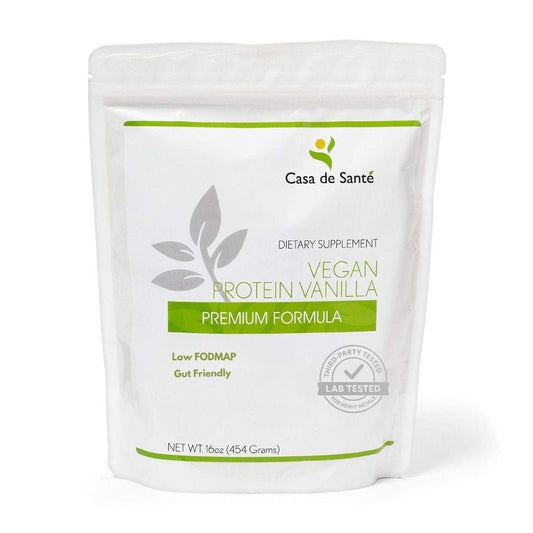
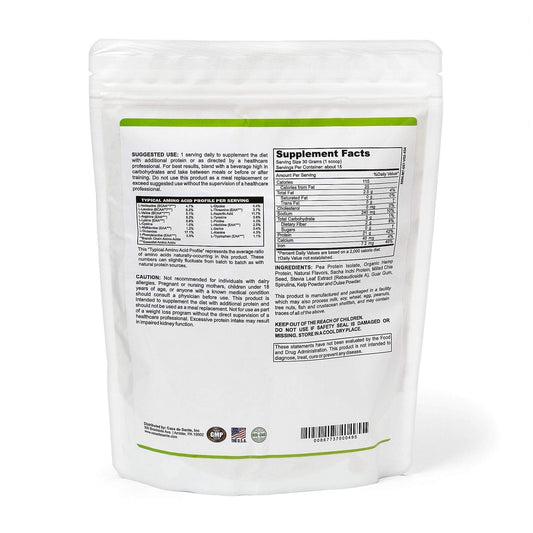
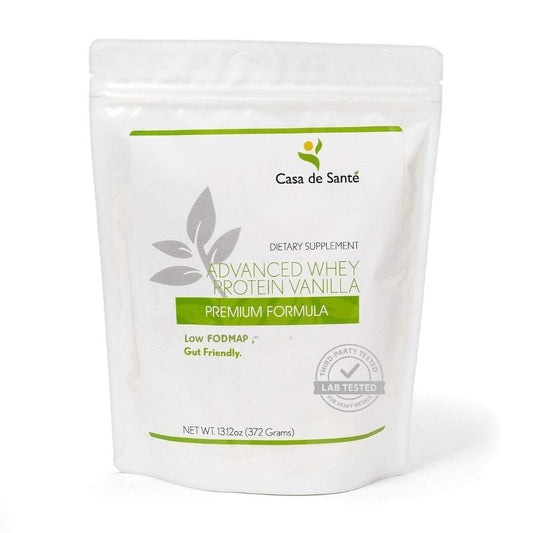
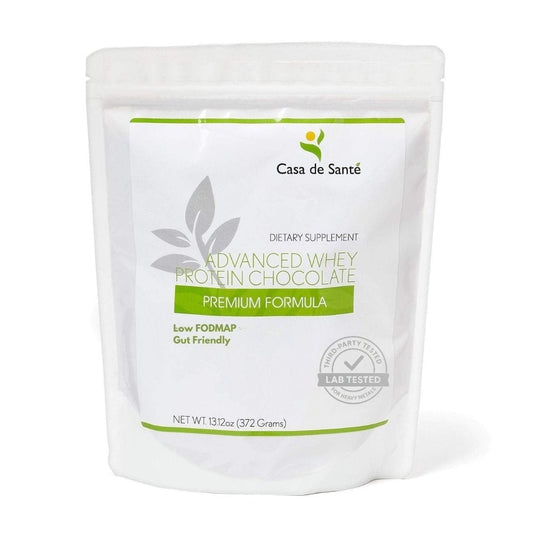
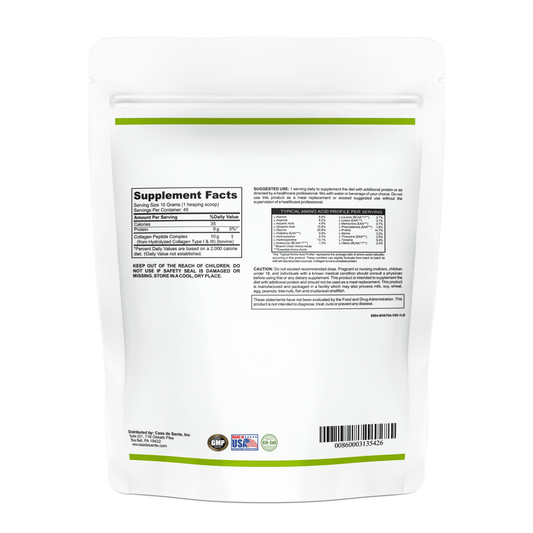
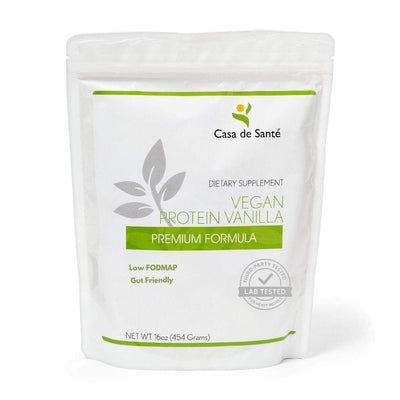
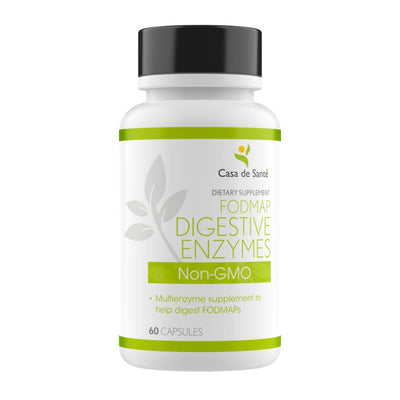
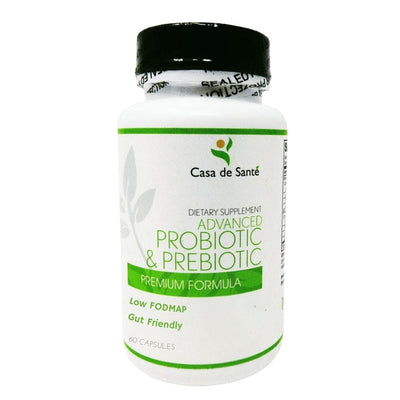
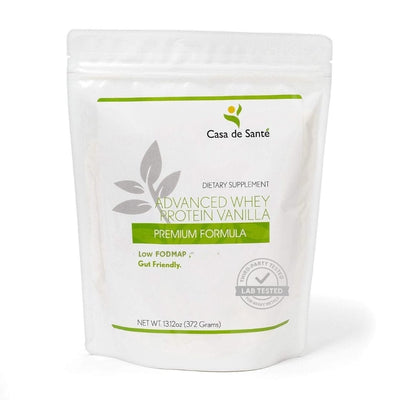
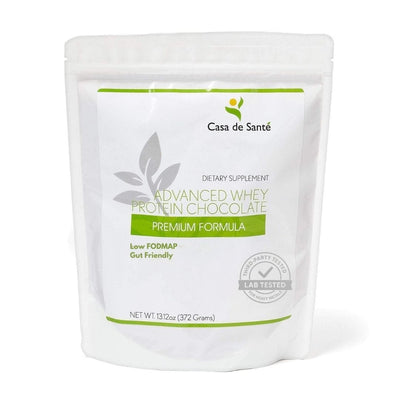
- Collagen Supplements: Many brands offer specialized formulations, like the Casa de Sante Collagen Peptides, designed specifically to support individuals with sensitive digestive systems. Their hydrolyzed, low-FODMAP formula is a good choice for anyone managing SIBO.
Recipes and Tips for Using Collagen Effectively
Here are some quick recipes and tips to maximize the benefits of collagen:
- Collagen-Infused Smoothie: Blend spinach, cucumber, almond milk, and a scoop of collagen peptides for a refreshing beverage.
- Savory Collagen Broth: Simmer low-FODMAP vegetables in bone broth with added collagen peptides for a savory, nutrient-rich soup.
- Overnight Oats: Mix rolled oats with almond milk, chia seeds, and collagen peptides, then let sit overnight for an easy breakfast.
Tips:
- Start with a lower dose of collagen to see how your body reacts, and gradually increase as tolerated.
- Always choose high-quality, low-FODMAP certified collagen supplements to avoid digestive issues.
Conclusion
Using collagen as part of your SIBO-friendly diet can be a game-changer for digestive health, skin appearance, and overall well-being. By focusing on high-quality collagen sources and incorporating them strategically into your meals, you can support your gut lining and enhance your nutritional intake. ✨ Ready to support your gut, skin, and joints, without the discomfort? Experience the power of physician-formulated precision nutrition with Casa de Sante Collagen Peptides, developed by Dr Onyx MD PhD. This advanced, hydrolyzed, low-FODMAP collagen blend is crafted for sensitive digestive systems and sourced from pasture-raised, grass-fed cattle to ensure purity and absorption. Whether you're focused on gut lining repair, inflammation reduction, glowing skin, stronger nails, or metabolic wellness, this formula delivers comprehensive support that aligns with keto, paleo, and low-carb lifestyles. Elevate your digestive and metabolic health with science-driven collagen that's as gentle as it is effective. 👉 Explore more and order now at Casa de Sante.
Key Takeaways
- Incorporating collagen into a SIBO-friendly diet can support gut lining repair and reduce inflammation.
- Hydrolyzed collagen peptides are easily digestible and suitable for those with sensitive digestive systems.
- Mix collagen into beverages like smoothies and coffee for an easy nutrient boost without altering flavors.
- Bone broth is an excellent collagen source that can soothe the digestive system and aid in gut health.
- Always consult healthcare professionals when making dietary changes, especially for SIBO management.