Unlocking Gut Health: Low FODMAP Synbiotics vs. Regular Synbiotics – What You Must Know
Navigating the world of gut health supplements can be confusing, especially when it comes to synbiotics. If you've been following a low FODMAP diet or have digestive sensitivities, understanding the differences between low FODMAP synbiotics and regular synbiotics is crucial for your well-being. In this text, you'll discover what sets these two types apart and how to choose the best option for your digestive health.
Understanding Synbiotics
Synbiotics are dietary supplements that combine probiotics (beneficial bacteria) and prebiotics (food for these bacteria). This synergy works to enhance gut health more effectively than either component alone. Probiotics populate your gut with good bacteria, while prebiotics help these bacteria thrive and multiply. The result? Improved digestion, better nutrient absorption, and a stronger immune system. But, not all synbiotics are created equal, particularly when considering dietary restrictions such as the low FODMAP diet.
What Are Low Fodmap Synbiotics?
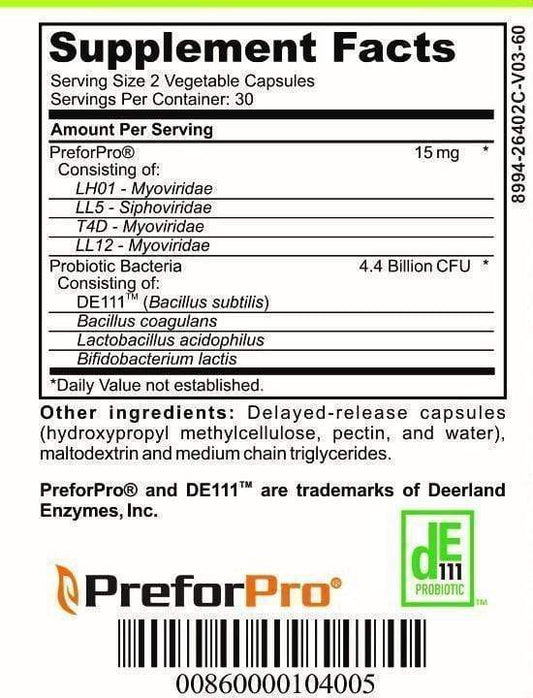
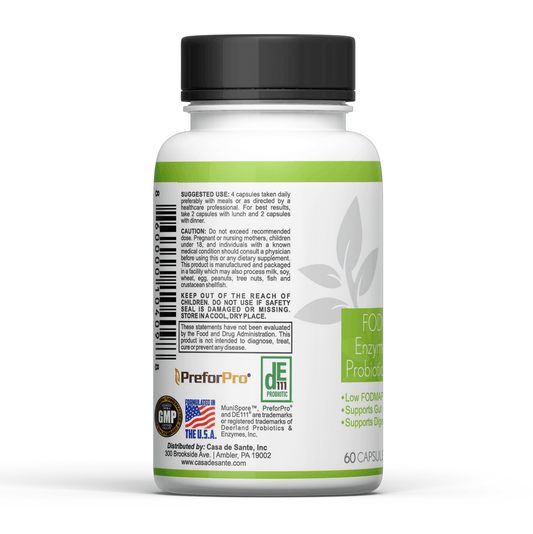
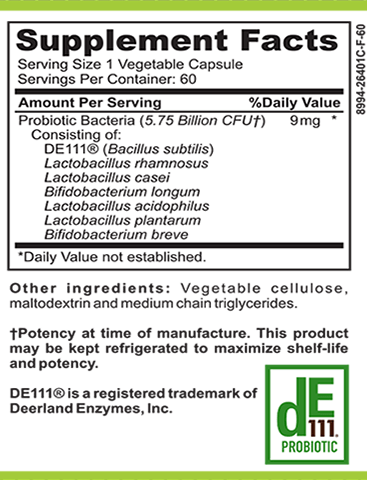
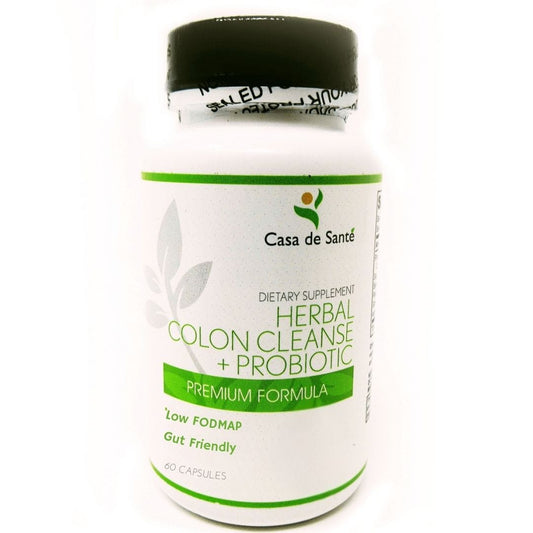
Low FODMAP synbiotics are specifically formulated for those following a low FODMAP diet, an approach designed to alleviate symptoms of irritable bowel syndrome (IBS) and other digestive disorders. These synbiotics contain carefully selected probiotic strains and prebiotic fibers that are free from high FODMAP ingredients, minimizing bloating and discomfort. For example, products like the Advanced Probiotic & Prebiotic Synbiotic include just 15 mg of PreforPro® and 4.4 billion CFU of strategically chosen probiotics, delivering gut support without triggering sensitivities.
What Are Regular Synbiotics?
Regular synbiotics can vary significantly based on the formulation. Generally, they incorporate a mix of fiber-based prebiotics and various probiotic strains. While these can be effective in promoting gut health, many regular synbiotics may include high FODMAP ingredients like inulin and certain types of oligosaccharides, which can lead to bloating, gas, and digestive discomfort, particularly for sensitive individuals. The effectiveness of regular synbiotics can also vary based on the specific strains chosen and their compatibility with your digestive system.
Key Differences Between Low Fodmap and Regular Synbiotics
When choosing between low FODMAP synbiotics and regular synbiotics, consider these key differences:
Health Benefits of Low Fodmap Synbiotics
- Targeted for Sensitivity: Tailored for those with IBS or digestive issues.
- Reduced Discomfort: Formulated to prevent bloating and gas, making them gentler on the stomach.
- Proven Ingredients: Often use clinically validated probiotics.
Potential Benefits of Regular Synbiotics
- Possibly Broader Range of Strains: May include various probiotic strains that have their own unique benefits.
- More Available Options: Can be easier to find or more budget-friendly.
- Broader Prebiotic Sources: May contain different prebiotics that some individuals tolerate well.
Considerations for Choosing Between Them
Deciding which synbiotic to incorporate into your routine involves considering your personal health goals and dietary needs. If you experience digestive discomfort or follow a low FODMAP diet, low FODMAP synbiotics are your safest bet. They provide gut support while reducing the risk of flare-ups associated with high FODMAP ingredients. On the other hand, if you have a well-tolerated digestive system and are looking for variety, regular synbiotics might offer unique strains that cater to your needs.
Conclusion
In the quest for optimal gut health, understanding the distinction between low FODMAP synbiotics and regular synbiotics is vital. Low FODMAP synbiotics shine for their gentle support tailored to sensitive digestive systems, while regular options may work better for those without dietary restrictions. Eventually, it's about finding what works best for your body.
Ready for gentler gut support that actually feels good? Try our Advanced Probiotic & Prebiotic Synbiotic, clinically crafted by Dr. Onyx MD PhD with 4.4B CFU including DE111® plus PreforPro® at an ultra-low 15 mg dose for comfort without the bloat. It's Low-FODMAP, Keto- and Paleo-compatible, shelf-stable, and third-party tested, so you can trust every capsule to support balanced digestion, better nutrient absorption, and a resilient gut-brain connection. If fiber-heavy prebiotics have let you down or GLP-1 meds, IBS, or menopause bloat make your days unpredictable, this is your gentle daily reset. Tap to add it to your routine and feel the difference where it matters most: your comfort, your energy, your meals: Casa De Sante Probiotic & Prebiotic.
Key Takeaways
- Low FODMAP synbiotics are specially crafted for individuals with IBS, providing digestive support without high FODMAP ingredients that cause discomfort.
- Regular synbiotics may contain beneficial probiotic strains but can also include high FODMAP components like inulin, potentially leading to bloating.
- Choosing low FODMAP synbiotics can significantly reduce digestive distress, making them ideal for those with sensitivity issues.
- Regular synbiotics offer a wider range of probiotic strains and may be more accessible or affordable for individuals without dietary restrictions.
- Personal health goals and tolerance levels are crucial in deciding between low FODMAP and regular synbiotics for effective gut health support.