Unlock Your Gut's Potential: The Ultimate Probiotics Guide for Semaglutide Users
Navigating your gut health while using semaglutide can be a game changer. Probiotics may hold the key to enhancing your wellness journey, especially when managing weight or blood sugar. In this guide, discover how probiotics can support your health as you embrace medication.
Understanding Semaglutide
Semaglutide is a medication primarily prescribed for type 2 diabetes and weight management. It mimics the hormone GLP-1, helping to regulate blood sugar levels and appetite. While it aids in weight loss and metabolic control, semaglutide users often encounter digestive issues, including nausea, bloating, or constipation. This makes understanding how to support gut health crucial for a successful experience.
What Are Probiotics?
Probiotics are live microorganisms, often referred to as "good" bacteria, that can provide health benefits when consumed in adequate amounts. They play a vital role in maintaining gut health by balancing the gut microbiome, enhancing nutrient absorption, and supporting the immune system. Available in various forms such as capsules, powders, and fermented foods, probiotics can be a beneficial addition to your diet.
Benefits of Probiotics for Semaglutide Users
Integrating probiotics into your routine while on semaglutide can amplify your health benefits.
How Probiotics Interact with Semaglutide
Probiotics can help ease some of the digestive discomfort associated with semaglutide by promoting a healthy gut flora, which may mitigate issues like gas and bloating. They enhance the breakdown of food, leading to improved nutrient uptake, and can also assist the digestive system in operating smoothly during your treatment.
Potential Side Effects of Probiotics with Semaglutide
While probiotics are generally safe for most people, some may experience mild side effects, such as increased gas or bloating initially. It's crucial to choose a probiotic specifically formulated to be gentle on the digestive system, especially for those sensitive to changes.
Choosing the Right Probiotics
When selecting probiotics, aim for those explicitly designed for individuals with sensitive digestive systems or those on medications like semaglutide.
- Look for strains like Lactobacillus and Bifidobacterium, which have been shown to enhance gut health.
- Ensure that the probiotic is low in FODMAPs, making it suitable for those with intermittent digestive issues.
- Seek out products with a high CFU (colony-forming units) count, exhibiting clinical research backing and third-party testing. This ensures that you get effective and reliable support.
Tips for Incorporating Probiotics into Your Routine
- Start Slowly: Introduce probiotics gradually to allow your gut to acclimatize.
- Consistency is Key: Take your probiotics daily at the same time to establish a routine.
- Pair with a Balanced Diet: Amplify the benefits by consuming a diet rich in whole foods, including vegetables, lean proteins, and healthy fats.
- Stay Hydrated: Drink plenty of water to support your digestion and help the probiotics work effectively.
- Listen to Your Body: If you experience any discomfort, consult your healthcare provider to adjust your approach.
Conclusion
Probiotics may offer significant advantages for individuals using semaglutide by enhancing gut health, improving digestion, and alleviating discomfort. With careful selection and integration into your daily routine, probiotics can empower you to achieve your health goals more efficiently.
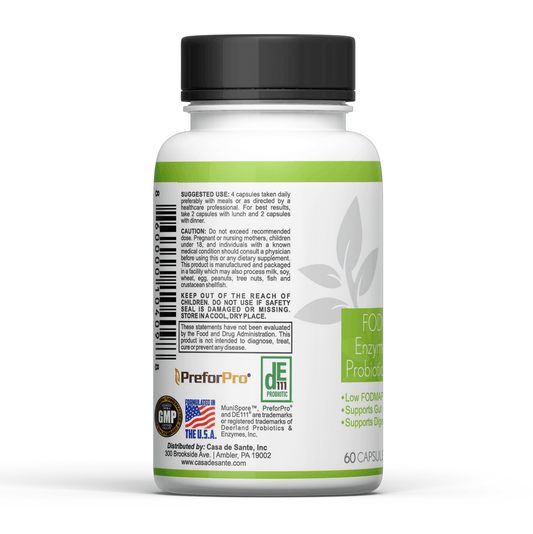
Ready for gentler gut support that actually feels good? Try our Advanced Probiotic & Prebiotic Synbiotic, clinically crafted by Dr. Onyx MD PhD with 4.4B CFU including DE111® plus PreforPro® at an ultra-low 15 mg dose for comfort without the bloat. It's Low-FODMAP, Keto- and Paleo-compatible, shelf-stable, and third-party tested, so you can trust every capsule to support balanced digestion, better nutrient absorption, and a resilient gut-brain connection. If fiber-heavy prebiotics have let you down or GLP-1 meds, IBS, or menopause bloat make your days unpredictable this is your gentle daily reset. Tap to add it to your routine and feel the difference where it matters most: your comfort, your energy, your meals.
Key Takeaways
- Probiotics can significantly improve gut health for individuals using semaglutide, reducing digestive discomfort such as bloating and gas.
- Choosing probiotics with strains like Lactobacillus and Bifidobacterium can enhance nutrient absorption and support metabolic health.
- Consistency is crucial; aim to take probiotics daily to maximize their benefits while on semaglutide.
- Select low-FODMAP probiotics to minimize digestive issues and promote smoother digestion during treatment.
- Integrating probiotics into a balanced diet helps amplify their health benefits, particularly for those managing weight and blood sugar.