Unlock Your Gut: The Secret to Perfect Low FODMAP Salads
If you experience digestive discomfort, you're not alone. Thousands are learning how to enjoy meals again by mastering the FODMAP approach. In this guide, you'll discover how to effortlessly reduce FODMAP loads in your salads through smart ingredient choices and strategic enzyme timing.
Understanding FODMAPs
FODMAPs, short for fermentable oligosaccharides, disaccharides, monosaccharides, and polyols, are a group of carbohydrates that can wreak havoc on your digestive system. Found in various foods, these compounds are poorly absorbed in the small intestine and can ferment rapidly, leading to symptoms like bloating, gas, and abdominal pain. While they are not harmful for everyone, individuals with IBS and sensitive stomachs may want to keep a closer eye on their intake.
Understanding FODMAPs is crucial for managing digestive health. Foods high in FODMAPs include certain fruits, vegetables, grains, and dairy products. By recognizing these components, you can take important steps to minimize uncomfortable symptoms.
The Impact of FODMAPs In Salads
Salads can seem like a safe choice for a healthy meal, but many ingredients commonly used can be high in FODMAPs. For instance, onions, garlic, and certain legumes like chickpeas and lentils can contribute to bloating and discomfort when consumed in larger portions.
Plus, high FODMAP fruits such as apples, mangoes, and certain dairy dressings can be culprits in your quest for a gut-friendly salad. When these foods reach the colon, they can create osmotic load, leading to gas production and digestive stress that manifest 4–24 hours after consumption. Understanding which salad elements can trigger these reactions is key to enjoying meals without fallout.
Enzyme Timing: How It Works
To effectively combat FODMAP-related distress, the timing of digestive enzymes is critical. Specifically formulated enzymes can help break down problematic carbohydrates before they reach the small intestine.
Distributing your enzyme intake to coincide with your meals is essential. Taking enzymes right before or along with your first bites allows these compounds to mix with the food. This practice enhances their effectiveness and minimizes the chances of experiencing discomfort. By ensuring these enzymes are actively working while you eat, you can significantly improve your digestion.
Strategies for Reducing FODMAP Load
Choosing Low FODMAP Ingredients
To create a salad that won't upset your stomach, start by choosing low FODMAP ingredients. Consider bases like lettuce, spinach, and arugula. For vegetables, stick to carrots, cucumbers, bell peppers, and green beans in smaller portions.
Portion Control: Balancing Your Ingredients
Portion control is vital when utilizing FODMAPs in salads. Many foods remain low FODMAP only in specific serving sizes. For example, while avocado is delicious, it can become high in FODMAPs if consumed in excess. So, restrict portions of items like legumes and avocados to keep your meal balanced.
Combining Ingredients Wisely
Be strategic when combining ingredients. Limit yourself to one or two moderate-FODMAP items per salad. Opt for garlic-infused oil instead of raw garlic or onions, and make sure your dressings are either lactose-free or enhanced with lactase enzymes for any dairy elements.
Practical Tips for Meal Prep
Streamline your meal prep for low FODMAP salads with these simple strategies:
- Pre-portion Ingredients: Pre-weigh and pack higher-FODMAP components in separate containers to ensure you don't exceed recommended serving sizes.
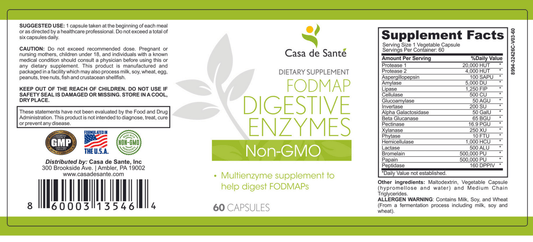
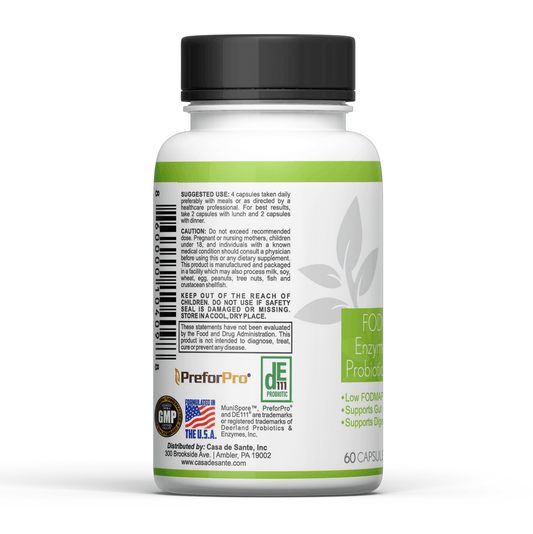
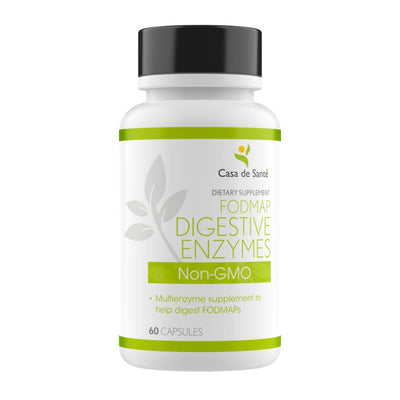
- Stock Up on Enzymes: Always have a bottle of FODMAP-targeting digestive enzymes handy in your kitchen. Remember to take 1-2 capsules at the beginning of each meal for optimal digestive benefit.
- Plan Balanced Meals: When planning salads, look to balance your higher FODMAP items with plenty of low FODMAP options, ensuring you're enjoying a colorful and healthful meal every time.
Conclusion
Navigating the world of FODMAPs doesn't have to limit your salad enjoyment. By understanding FODMAPs, practicing portion control, and timing your enzymes wisely, you can create delicious, gut-friendly salads that satisfy your cravings without the bloat. To take it even further, consider integrating Casa de Sante's FODMAP Digestive Enzymes into your routine, break down those high-FODMAP triggers effortlessly. Enjoy your favorite foods again, without the bloat. Take one capsule before your next meal and rediscover what it feels like to eat without fear. Shop here.
Key Takeaways
- Understanding FODMAPs is crucial for managing digestive health, especially when crafting salads.
- To create gut-friendly salads, choose low FODMAP ingredients like lettuce, carrots, and cucumbers.
- Portion control is essential; many foods are low FODMAP only within specific serving sizes.
- Timing digestive enzymes before meals can enhance their effectiveness and reduce discomfort from FODMAPs.
- Limit moderate-FODMAP items in your salad and opt for garlic-infused oils instead of raw garlic.