Unlock Your Gut’s Potential: The Best Time to Take Probiotics and Prebiotics Together
Are you ready to elevate your gut health? Timing can make all the difference when it comes to taking probiotics and prebiotics together. In this guide, you'll discover the optimal times to ensure you get the most from these powerful supplements and support your digestive wellness effectively.
Understanding Probiotics And Prebiotics
The Role Of Probiotics In Gut Health
Probiotics are live microorganisms that provide numerous health benefits, particularly in gut health. They help restore the natural balance of gut bacteria, which can be disrupted by factors such as antibiotics, diet, and stress. Regular intake of probiotics can enhance digestion, boost your immune system, and potentially help with conditions like bloating and constipation.
The Function Of Prebiotics In Digestive Wellness
Prebiotics, on the other hand, are non-digestible fibers that serve as food for probiotics. They promote the growth and activity of beneficial bacteria in the gut. By consuming prebiotics, you can strengthen your microbiome, leading to improved digestion and nutrient absorption. When combined with probiotics, prebiotics create a symbiotic relationship that supports overall gut health.
Optimal Timing For Taking Probiotics
Factors Influencing Probiotic Effectiveness
To maximize the effectiveness of probiotics, several factors must be considered:
- Stomach Acidity: Probiotics tend to survive better when your stomach is less acidic. This typically occurs when your stomach isn't actively digesting food.
- Food Interaction: Some studies suggest that taking probiotics with food can enhance their survival through the acidic environment of the stomach.
Morning Vs. Evening: What The Research Says
Research indicates that taking probiotics in the morning may be advantageous. This is due to lower stomach acid levels compared to when you consume meals throughout the day. But, some individuals prefer taking them in the evening. The key is to choose a consistent time and pair it with how you feel best diffusing your body's natural rhythms.
When To Incorporate Prebiotics
Synergy Between Probiotics And Prebiotics
Taking probiotics and prebiotics together can dramatically enhance their effectiveness. Probiotics need the nourishment prebiotics provide to flourish and function properly in your gut. Incorporating both will optimize the benefits of each, fostering a healthy microbiome.
How Timing Affects Their Combined Benefits
It's recommended to take prebiotics alongside your probiotics for optimal results. For instance, consuming prebiotics a few hours after your probiotic supplementation can provide the beneficial bacteria the support they need to thrive. This can be particularly effective when paired with fiber-rich meals.
Practical Tips For Timing Your Supplements
Daily Routines For Maximum Efficacy
Establishing a routine is crucial:
- Morning Ritual: Consider taking your probiotics with breakfast. Pair them with a fiber-rich meal to stimulate their growth.
- Post-Meal Prebiotic Boost: Incorporate prebiotics in your lunch or dinner. Foods rich in prebiotic fiber include asparagus, bananas, and garlic.
Common Mistakes To Avoid
To ensure you're getting the most out of your supplements, avoid these common pitfalls:
- Inconsistent Timing: Changing the time you take your supplements often can disrupt their effectiveness.
- Neglecting Meals: Taking probiotics on an empty stomach or before meals without prebiotics can reduce their efficacy.
Conclusion
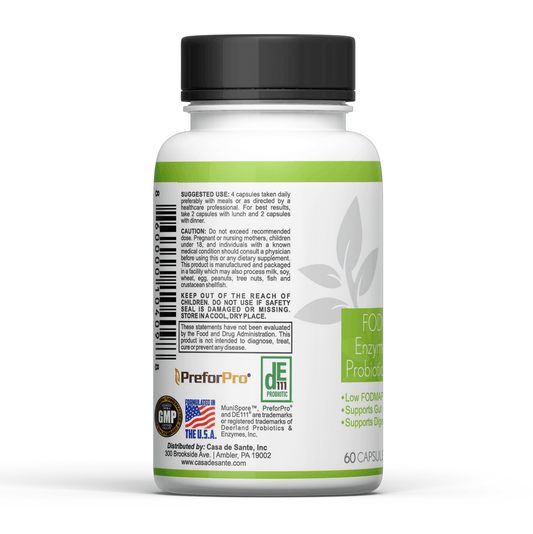
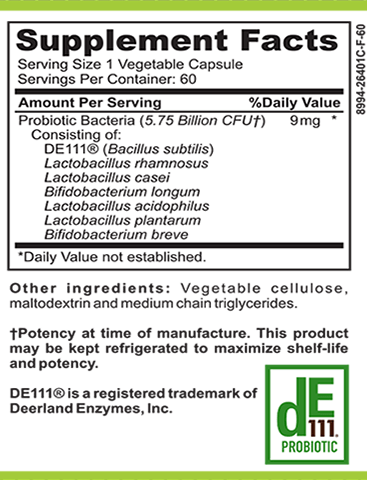
Choosing the right time to take your probiotics and prebiotics can significantly influence your gut health outcomes. Aim to take probiotics in the morning with a light breakfast, followed by prebiotics with your meals. Consistency is key. Ready for gentler gut support that actually feels good? Try our Advanced Probiotic & Prebiotic Synbiotic, clinically crafted by Dr Onyx MD PhD with 4.4B CFU including DE111® plus PreforPro® at an ultra-low 15 mg dose for comfort without the bloat. It's Low-FODMAP, Keto- and Paleo-compatible, shelf-stable, and third-party tested so you can trust every capsule to support balanced digestion, better nutrient absorption, and a resilient gut-brain connection. If fiber-heavy prebiotics have let you down or GLP-1 meds, IBS, or menopause bloat make your days unpredictable this is your gentle daily reset. Tap to add it to your routine and feel the difference where it matters most: your comfort, your energy, your meals: Advanced Probiotic & Prebiotic Synbiotic.
Key Takeaways
- Taking probiotics in the morning with a light breakfast can enhance their effectiveness due to lower stomach acidity.
- Prebiotics should be consumed alongside probiotics to support the growth of beneficial gut bacteria.
- Establishing a consistent routine for taking your probiotics and prebiotics can significantly improve gut health outcomes.
- Incorporating fiber-rich meals with prebiotics, like asparagus and bananas, maximizes the benefits of your supplements.
- Avoid taking probiotics on an empty stomach without prebiotics, as this can reduce their efficacy.