Unlock Your Digestive Freedom: Essential Tips for Coping with GLP-1 Medications
Navigating the world of digestive health while on GLP-1 medications can be challenging. As these drugs help manage weight and blood sugar levels, they often come with digestive side effects. This guide provides you with insights and strategies to enhance your digestive comfort and well-being while on these medications.
Understanding GLP-1 Medications
GLP-1 (glucagon-like peptide-1) medications are a class of drugs primarily used to treat type 2 diabetes and assist with weight management. They function by mimicking the GLP-1 hormone, which increases insulin secretion, reduces appetite, and slows gastric emptying. Common GLP-1 medications include semaglutide and liraglutide.
While effective, these medications can disrupt your digestive system. Understanding how they work is crucial to managing any digestive discomfort you may experience.
Common Digestive Issues Associated with GLP-1 Treatment
Many individuals on GLP-1 medications report experiencing digestive issues such as:
- Nausea: Often occurring shortly after medication initiation.
- Bloating: The slowing of gastric emptying may cause a feeling of fullness.
- Constipation: Slower digestion can result in fewer bowel movements.
- Diarrhea: A common side effect that some may encounter.
These symptoms can be uncomfortable and may impact your quality of life, but the good news is that they can often be managed with the right strategies.
Strategies for Enhancing Digestive Health
To alleviate the digestive side effects associated with GLP-1 medications, consider implementing the following strategies:
Dietary Changes for Optimal Digestion
- Eat Smaller, More Frequent Meals: This can ease the digestive burden while preventing nausea.
- Focus on Fiber: Incorporate both soluble and insoluble fiber. Foods like oats, beans, fruits, and vegetables help regulate digestion.
- Limit Fatty and Fried Foods: High-fat meals can exacerbate nausea and sluggish digestion.
Supplements and Probiotics
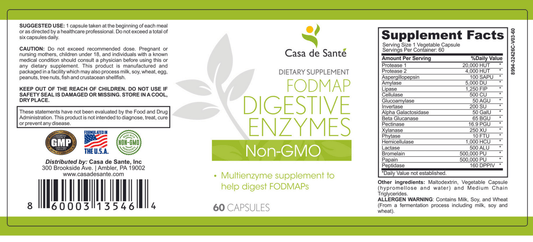
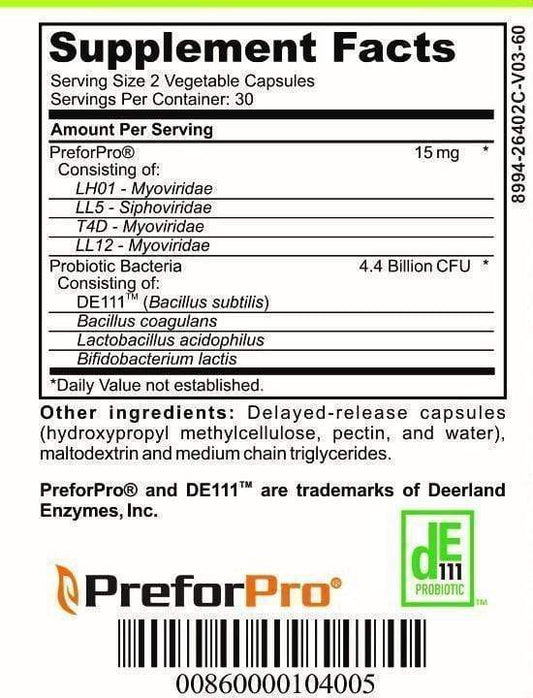
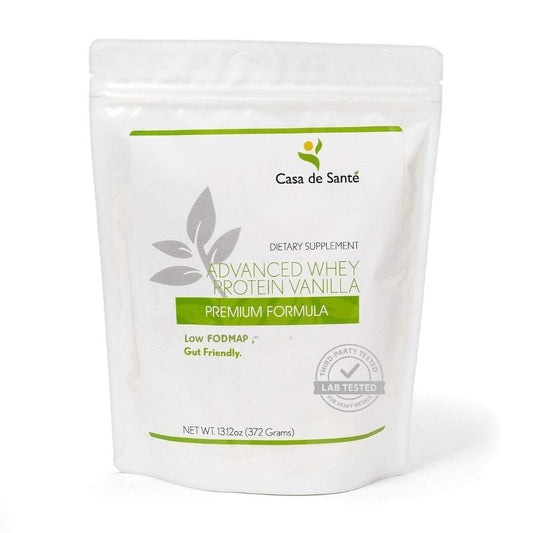
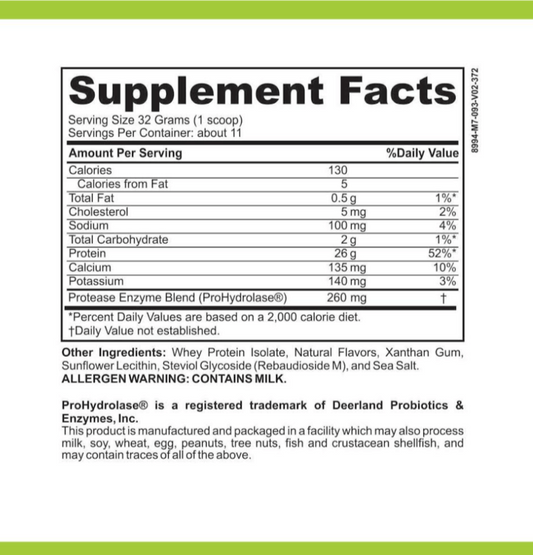
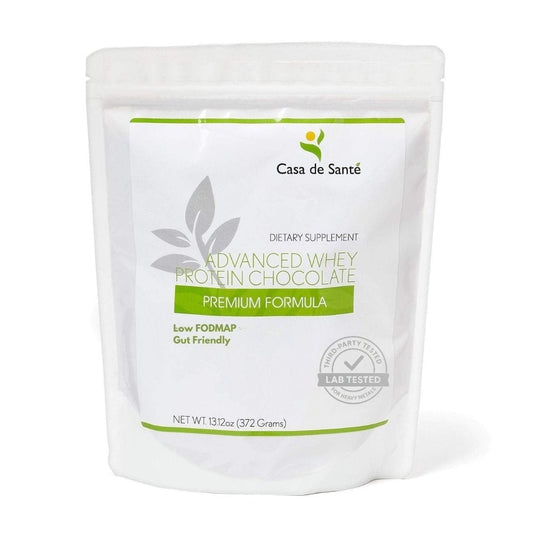
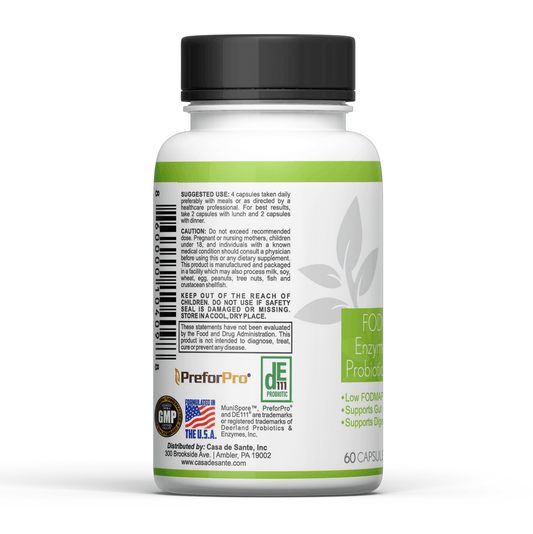
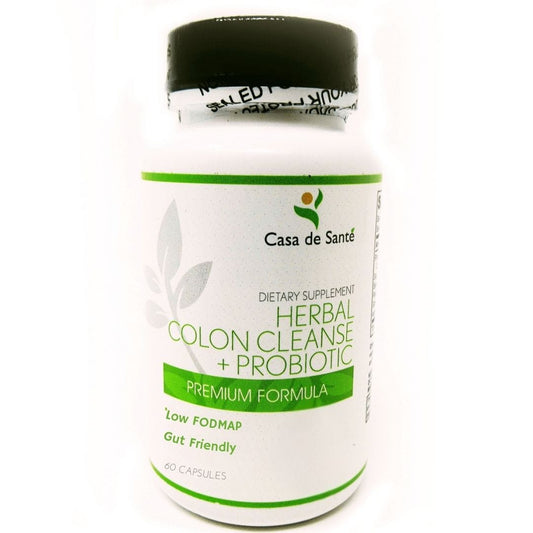
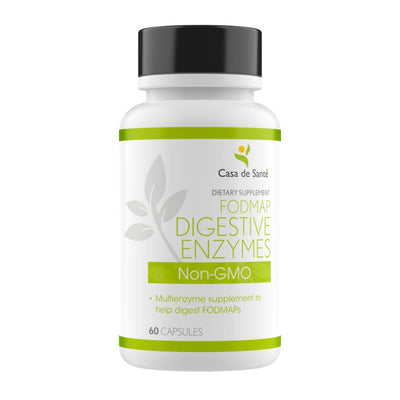
- Consider Digestive Enzymes: Taking a supplement like Casa de Sante's FODMAP Digestive Enzymes can support digestion by breaking down hard-to-digest foods, making meals smoother and more enjoyable. Each capsule offers a blend of 18 targeted enzymes, ensuring nutrient absorption without discomfort.
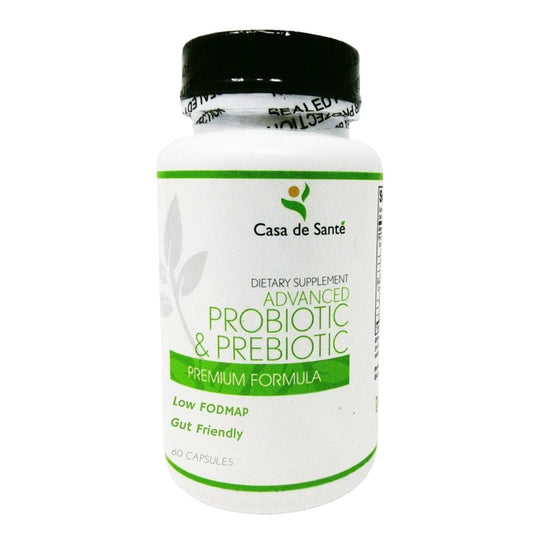
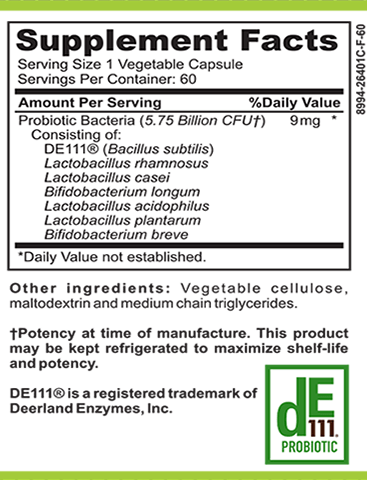
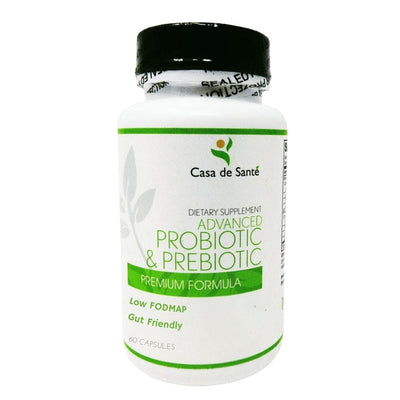
- Probiotics: These can help restore gut flora, improving overall digestive health.
Staying Hydrated
- Drink Plenty of Water: Adequate hydration is vital for digestion and can help prevent constipation. Aim for at least 8 cups a day, adjusting for physical activity.
Physical Activity and Its Role in Digestion
Engaging in regular physical activity can significantly enhance digestive health. Exercise helps stimulate the digestive system and can alleviate constipation and bloating. It doesn't have to be intense: even light activities like walking or yoga can do wonders for your digestion.
When to Seek Medical Advice
If you experience severe or persistent digestive symptoms while on GLP-1 medications, it is essential to consult with your healthcare provider. Symptoms such as continuous nausea, extreme bloating, or significant changes in bowel habits may indicate a need for adjustments in your treatment plan. Your doctor can provide tailored recommendations and possible alternatives.
Conclusion
While GLP-1 medications can bring transformative health benefits, their digestive side effects can be a hurdle. By implementing dietary changes, considering supplements like Casa de Sante's FODMAP Digestive Enzymes, staying active, and understanding when to seek help, you can mitigate these issues. Enjoy your favorite foods again, without the bloat. Remember, your comfort is key to achieving your health goals.
Key Takeaways
- Understanding GLP-1 medications is essential for managing their digestive side effects effectively.
- Eating smaller, more frequent meals can help alleviate nausea and improve overall digestion while on GLP-1 treatments.
- Incorporating fiber-rich foods like oats, beans, and vegetables can regulate digestion and enhance comfort during GLP-1 therapy.
- Using digestive enzymes and probiotics may support digestive health and ease discomfort linked to GLP-1 medications.
- Regular physical activity, even light exercises, promotes healthy digestion and can help reduce bloating and constipation.