Unlock Smoother Digestion: How Cellulase and Hemicellulase Change the Fiber Game
Ever felt bloated or uncomfortable after eating your favorite high-fiber foods? You're not alone. While fiber is essential for gut health, your body struggles to break down certain types on its own. That's where specialized enzymes, cellulase and hemicellulase, step in to make fiber work for you, not against you.
Understanding Fiber in the Diet
Fiber: it's the word you'll see on every health blog and nutrition label. But not all fiber is created equal. Dietary fiber is found in fruits, vegetables, whole grains, nuts, seeds, and legumes. It comes in two main categories, soluble (dissolves in water, forming a gel-like material) and insoluble (doesn't dissolve, adds bulk to stool).
Your digestive system can't naturally break down most fibers, especially the tough stuff found in plant cell walls. While fiber keeps you regular and supports a healthy gut, too much of the wrong kind can lead to bloating, gas, or discomfort for many people, especially if you have IBS or a sensitive stomach.
Even though these challenges, fiber remains a crucial part of a balanced diet. It feeds beneficial gut bacteria, helps stabilize blood sugar, and promotes heart health. Still, without the right helpers, digesting it can feel like a losing battle.
What Are Cellulase and Hemicellulase?
Picture cellulase and hemicellulase as nature's microscopic scissors. These are digestive enzymes, specialized proteins that break down complex carbohydrates in plant fiber into usable sugars our bodies can absorb or easily pass.
- Cellulase targets cellulose, the main structural component of plant cell walls (think: broccoli stalks, kale, whole grains).
- Hemicellulase breaks down hemicellulose, another major plant fiber, found in things like cereal brans, beans, and certain fruits.
Your own body doesn't produce these enzymes naturally, but certain microbes in your gut do. For many of us, though, these enzymes aren't present at levels high enough to handle liberated plant fibers, especially if you've recently increased your fiber intake or have digestive sensitivities.
How Cellulase and Hemicellulase Aid in Fiber Digestion
So, what actually happens when cellulase and hemicellulase get to work?
When you eat fiber-rich foods, most of the cellulose and hemicellulose pass through your small intestine untouched. That's because, unlike cows or termites, you don't produce the enzymes to break them down. But if you take supplemental cellulase and hemicellulase, they swoop in to hydrolyze (break apart) these tough plant fibers into smaller, less problematic molecules.
Why Does This Matter?
- Reduced Bloating and Gas: Fiber fermentation by gut bacteria produces gas as a byproduct. Breaking fibers down earlier in your digestive tract minimizes this effect.
- Increased Nutrient Absorption: Unlocks nutrients trapped inside fiber-rich plant cells, giving you more from every bite.
- Smoother Digestion: Less undigested fiber moving through your system means less cramping, unpredictable bathroom trips, or discomfort after meals.
For those following a high-fiber, plant-based, or low FODMAP diet, these enzymes can be a game-changer, helping you enjoy the real benefits of plants without the payback.
Benefits of Enhanced Fiber Digestion
Adding cellulase and hemicellulase enzymes to your routine isn't just about comfort. There's a cascade of wellness benefits:
- Greater Variety in Diet: No more skipping fibrous veggies, beans, or whole grains out of fear of digestive upset.
- Improved Bowel Regularity: Digested fiber promotes regular, comfortable bowel movements.
- Support for Special Diets: If you're managing IBS, following a low FODMAP plan, or just have a sensitive gut, these enzymes reduce triggers and broaden your food choices.
- Gut Microbiome Balance: By breaking down fiber efficiently, you can feed your beneficial gut bugs what they crave without overloading them and causing excess fermentation (aka, too much gas).
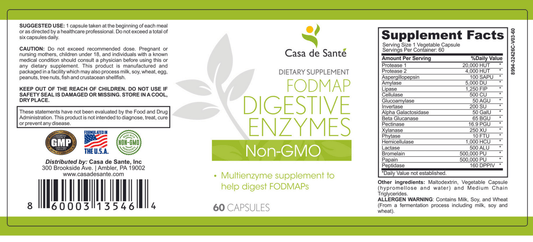
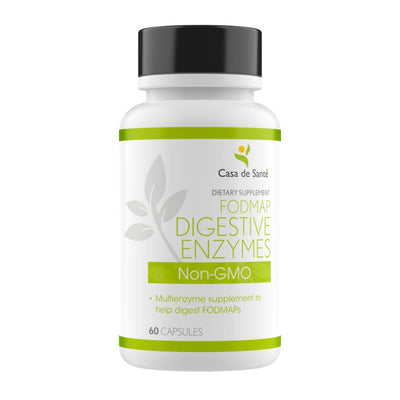
Enjoy your favorite foods again, without the bloat. Casa de Sante's FODMAP Digestive Enzymes is your go-to solution for calm, confident digestion. Whether you're living with IBS, following a low FODMAP plan, or just have a sensitive stomach, this full-spectrum blend is designed to take the stress out of eating. Each capsule combines 18 targeted enzymes, including DPP-IV, alpha-galactosidase, lactase, and broad proteases, to break down complex proteins, fats, fibers, and troublesome FODMAP sugars that typical enzyme blends miss. Clinically formulated by Dr Onyx MD PhD, this non-GMO, vegan, low-FODMAP supplement supports smoother digestion and less gas, even after diverse or high-protein meals. From dairy and legumes to rich Keto dishes, it's gentle enough for daily use yet powerful enough for real relief. Take one before your next meal and rediscover what it feels like to eat without fear. Shop here.
Sources and Supplementation of Digestive Enzymes
You might be wondering: Can't I just get these enzymes from food? Not really. Cellulase and hemicellulase occur naturally in some fungi and bacteria, sometimes used in fermentation or food prep, but aren't present in the actual foods we eat.
Most people rely on their gut microbiome to produce these enzymes. That's why some tolerate fiber better than others. But if your system falls short, fermentation in your colon can lead to all the classic digestive complaints: gas, bloating, irregularity. This is where supplementation shines.
Choosing the Right Digestive Enzyme Supplement
Not all enzyme blends are created equal. Look for formulas that specifically list cellulase and hemicellulase in their panel, alongside other supportive enzymes like lactase (for dairy), alpha-galactosidase (for beans and certain veggies), and proteases (for proteins). Vegan, non-GMO, and low-FODMAP options, like Casa de Sante's blend, are ideal for sensitive stomachs.
How to Use: Take your enzyme capsule just before meals packed with fiber-rich foods. Many report the best results with consistent usage, particularly during periods of gut transition or dietary changes.
Potential Limitations and Considerations
As with any supplement or dietary change, a few caveats are important to mention:
- Not a Replacement for a Balanced Diet: Enzymes help you digest fiber, but they shouldn't serve as permission to skip vegetables or other fiber sources.
- Individual Response Varies: Some people may notice dramatic improvements, while others see subtler benefits.
- Gut Health Is Multi-Faceted: Enzyme supplements are just one piece of the digestive health puzzle. Stress, hydration, and overall gut flora still play their parts.
- Safety: Most enzyme supplements are safe for daily use, but if you're pregnant, nursing, have serious digestive conditions, or are on medication, check with your healthcare provider before starting.
A thoughtful approach, paired with the right supplement, maximizes your digestive comfort, without compromise.
Conclusion
Fiber shouldn't feel like a chore. By understanding how cellulase and hemicellulase can tackle tough plant fibers, you unlock a new level of digestive freedom, one where more foods are on the table and fewer symptoms hold you back.
Ready to eat with confidence again? Give your gut the smart support it deserves, and transform how you experience mealtime.
Key Takeaways
- Cellulase and hemicellulase are digestive enzymes that break down tough plant fibers, helping reduce bloating and discomfort after high-fiber meals.
- Supplementing with cellulase and hemicellulase enhances fiber digestion, increasing nutrient absorption and supporting smoother bowel regularity.
- People with sensitive stomachs, IBS, or those on plant-based and low FODMAP diets may benefit greatly from targeted fiber-digesting enzymes.
- For optimal results, choose digestive enzyme supplements that specifically include cellulase and hemicellulase and take them consistently with fiber-rich foods.
- Gut health is influenced by many factors, and while cellulase and hemicellulase support fiber digestion, they are best used alongside a balanced diet and healthy lifestyle.