Unlock Flavor: Is Dijon Mustard Low FODMAP for Your Maple Herb Glaze?
If you're following a low FODMAP diet, you might be wondering whether Dijon mustard can enhance your dishes without causing digestive distress. This versatile ingredient could be your secret weapon for creating a delicious maple herb glaze that won't upset your stomach.
Understanding Low FODMAP Diet
The low FODMAP diet focuses on reducing foods that are high in fermentable oligosaccharides, disaccharides, monosaccharides, and polyols. These components can trigger digestive issues for many, particularly for those with IBS.
Monash University, a leader in FODMAP research, provides detailed guidelines and testing on various foods, making it easier for you to know what to include or avoid in your diet.
What Is Dijon Mustard?
Dijon mustard is traditionally made from brown or black mustard seeds, verjuice (a grape juice made from unripe grapes), vinegar, salt, and sometimes additional spices for that characteristic tangy flavor. It's a staple in French cuisine and is often used in dressings and sauces.
FODMAP Levels in Dijon Mustard
According to Monash University, Dijon mustard is considered low FODMAP at standard servings of 1-2 tablespoons (20-30g). Beyond these amounts, it has not been extensively tested, but it should be safe to consume in moderation as long as it doesn't contain high-FODMAP ingredients like garlic or onion.
Using Dijon Mustard in Maple Herb Glaze
Benefits of Using Dijon Mustard in Cooking
Dijon mustard isn't just about flavor: it adds depth to dishes, helps emulsify dressings or glazes, and is low in calories. Its sharp flavor complements many ingredients, enhancing overall taste without overwhelming it.
Flavor Profiles and Complementary Ingredients
The sharp and pungent profile of Dijon mustard pairs beautifully with the sweetness of maple syrup and herby flavors like rosemary and thyme. Other complementary ingredients include olive oil and lemon, which are also low FODMAP, creating a well-rounded flavor experience.
How to Make a Low FODMAP Maple Herb Glaze
Creating your maple herb glaze is simple and quick. Here's a straightforward recipe to get you started.
Recipe: Low FODMAP Maple Herb Glaze
- 2 tbsp Dijon mustard
- 2 tbsp maple syrup
- 3 tbsp garlic-infused olive oil
- 1 tsp fresh rosemary or thyme, chopped
- Pinch salt
Whisk all ingredients together and brush on meats or veggies before grilling or roasting. This glaze serves 4 and comes in at approximately 110 calories per serving.
Tips for Storing and Using Leftovers
Once you've made your glorious maple herb glaze, you can store it for later use. Keep it in an airtight container and refrigerate for up to four days.
Just remember to whisk it again before using. This glaze can be a fantastic addition to grilled veggies or salads, ensuring that every meal is both flavorful and gut-friendly.
Conclusion
Dijon mustard is a low FODMAP ingredient that can elevate your maple herb glaze, giving you a delicious way to enjoy your meals without worry. By choosing quality ingredients and checking labels for hidden high FODMAP items, you can enjoy flavorful food while managing your digestive health.
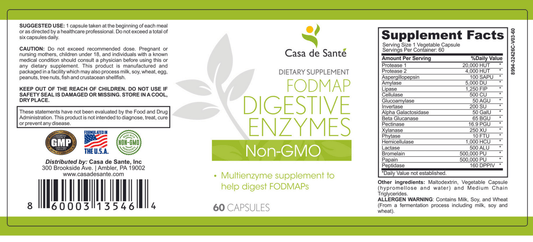
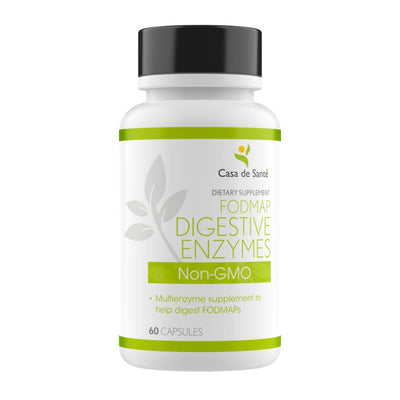
For additional digestive support, remember to enjoy your favorite foods again, without the bloat. Casa de Sante's FODMAP Digestive Enzymes is your go-to solution for calm, confident digestion.
Key Takeaways
- Dijon mustard is low FODMAP and safe in servings of 1-2 tablespoons, making it a great choice for enhancing dishes.
- Incorporating Dijon mustard in a maple herb glaze adds flavor depth while remaining gut-friendly.
- This maple herb glaze recipe is quick to prepare and pairs well with meats and vegetables for a nutritious meal.
- Always check labels to avoid high FODMAP ingredients like garlic or onion when using Dijon mustard.
- Enjoy Dijon mustard’s tangy profile alongside complementary low FODMAP ingredients like maple syrup and fresh herbs for delicious results.