Unlock Delicious Polenta: FODMAP Digestive Enzymes vs. Lactase Revealed
If digestive sensitivity has you missing out on your favorite creamy polenta, you're not alone. The good news? You can enjoy it again with the right digestive support. Let's explore how FODMAP digestive enzymes and lactase work, and discover which one is best suited for your lactose-free cheese experience.
Understanding FODMAPs and Lactose Intolerance
What Are FODMAPs?
FODMAPs, or fermentable oligosaccharides, disaccharides, monosaccharides, and polyols, are short-chain carbohydrates that can lead to digestive discomfort, particularly in individuals who suffer from irritable bowel syndrome (IBS). Common FODMAPs include fructans found in wheat and onions, lactose in dairy, and polyols in certain fruits. If you're sensitive to these compounds, they can cause gas, bloating, and abdominal pain when consumed in high amounts.
The Role of Lactose in Dairy Products
Lactose is the primary sugar in milk and dairy products. For those who are lactose intolerant, consuming lactose can present challenges as their bodies lack sufficient lactase, the enzyme responsible for breaking down lactose into glucose and galactose. This breakdown is essential for preventing lactose from reaching the colon, where it ferments and triggers uncomfortable symptoms. Luckily, lactose-free products are designed to alleviate these issues by pre-hydrolyzing lactose.
Introduction to Digestive Enzymes
What Are FODMAP Digestive Enzymes?
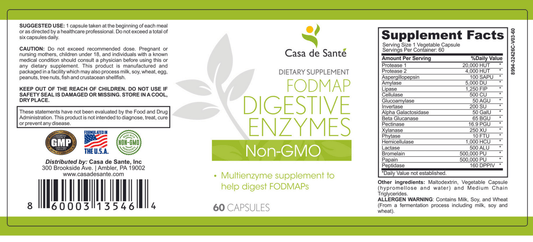
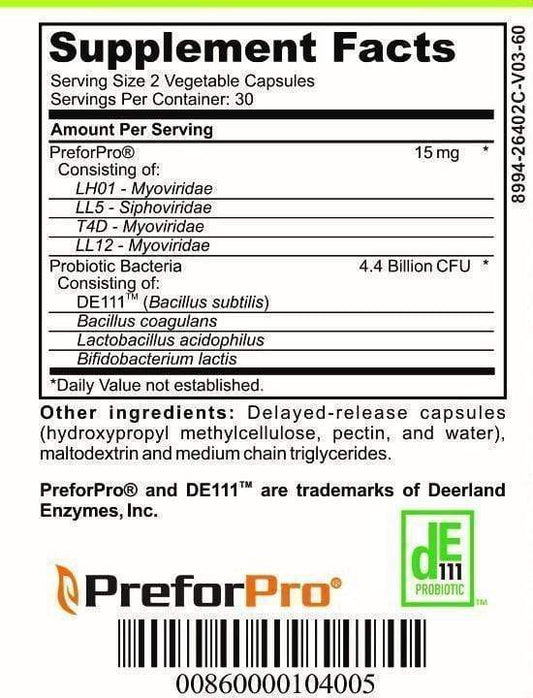
FODMAP digestive enzymes are specially formulated blends designed to help break down high-FODMAP foods before they can cause discomfort. They typically include targeted enzymes like lactase (for lactose), alpha-galactosidase (for legumes and certain vegetables), and fructan hydrolase (for certain grains and vegetables). This blend helps improve tolerance to foods that may otherwise induce digestive distress, especially for those following a low FODMAP diet.
How Lactase Works in Digestion
Lactase specifically breaks down lactose into simpler sugars (glucose and galactose) that your body can easily absorb. For those who are lactose intolerant, supplementing with lactase can enable you to enjoy dairy products without the worry of digestive upset. Essentially, lactase provides a direct solution for those specific lactose-related issues.
Comparing FODMAP Digestive Enzymes and Lactase
Efficacy in Lactose Digestion
When it comes to lactose digestion, lactase supplements are proven to be the go-to solution, showing significant effectiveness in breaking down lactose for those who experience discomfort. These supplements have strong evidence supporting their use among lactose intolerant individuals, making them highly reliable for this specific need.
FODMAP digestive enzymes, while beneficial, are more generalized and work on a wider range of FODMAPs, rather than targeting lactose exclusively. So, for strict lactose intolerance, lactase has a clear edge.
Impact on Overall Digestive Health
Beyond just lactose, FODMAP digestive enzymes can assist with various carbohydrate intolerance scenarios, making them a versatile option for those with broader sensitivities. They can alleviate symptoms from multiple sources of discomfort, including those stemming from high-FODMAP ingredients besides lactose.
For individuals who frequently experience varied digestive issues beyond simple lactose intolerance, a FODMAP enzyme blend might offer more comprehensive support.
Practical Applications in Cooking Polenta
Choosing Lactose-Free Cheese
When preparing creamy polenta, opting for lactose-free cheese is essential if you want to avoid any potential digestive distress. Look for lactose-free hard cheeses like Parmesan or cheddar that have been specifically tested to be low in FODMAPs. This way, you can still achieve that creamy, dreamy finish without the unwanted symptoms.
Making Creamy Polenta with Lactose-Free Ingredients
To create a deliciously creamy polenta, use lactose-free milk or cream, ensuring all components of your dish are free from lactose. Simply bring water with a dash of salt to a boil, gradually whisk in polenta, and stir until thickened. For added creaminess, incorporate lactose-free cheese and perhaps a splash of olive oil for richness. If you suspect other FODMAPs could be present, consider supplementing with a FODMAP enzyme to mitigate any risks of discomfort.
Conclusion
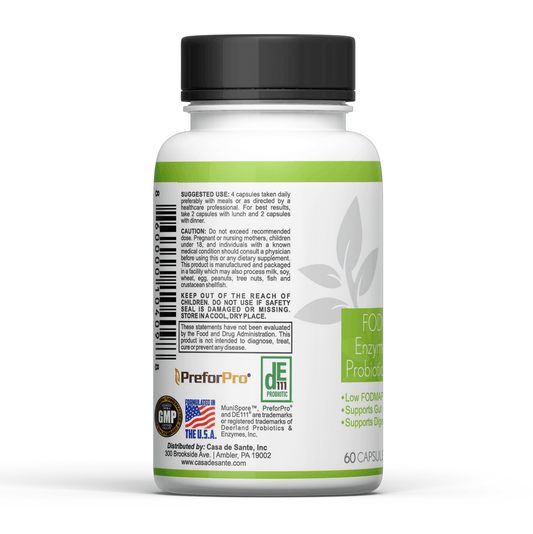
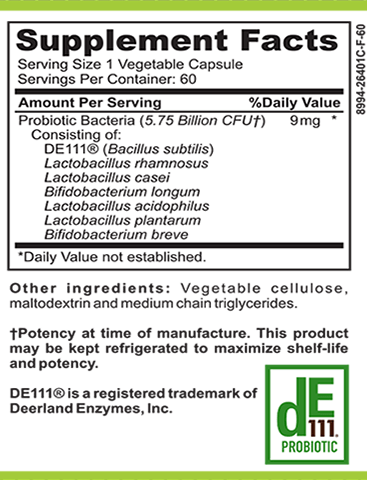
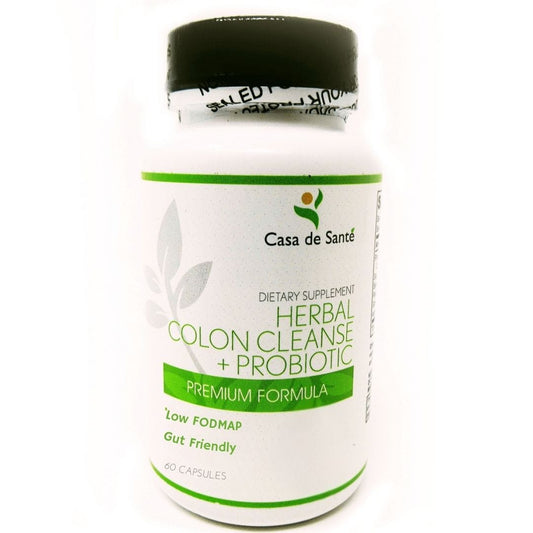
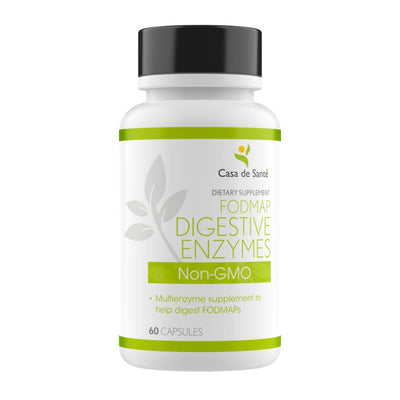
To conclude, when it comes to enjoying creamy polenta with lactose-free cheese, both lactase and FODMAP digestive enzymes have unique roles. Lactase stands out for tackling lactose specifically, making it invaluable for those with lactose intolerance. On the other hand, FODMAP digestive enzymes provide broader support to counteract a variety of FODMAPs. Eventually, the best choice may depend on your individual digestive sensitivities and whether other FODMAP triggers are present in your meal. Enjoy your favorite foods again, without the bloat. Casa de Sante's FODMAP Digestive Enzymes is your go-to solution for calm, confident digestion. Shop here: Casa de Sante's FODMAP Digestive Enzymes to learn more.
Key Takeaways
- Lactase is essential for breaking down lactose in dairy, making it ideal for those with lactose intolerance when enjoying creamy polenta.
- FODMAP digestive enzymes provide broader support for various carbohydrate sensitivities, making them beneficial for those with multiple digestive issues.
- Choosing lactose-free cheese is crucial for making creamy polenta without digestive discomfort; opt for low-FODMAP options like Parmesan or cheddar.
- To enhance the creaminess of your polenta, use lactose-free milk or cream alongside lactose-free cheese for a delicious, safe dish.
- Supplementing with a FODMAP enzyme may further reduce discomfort for individuals sensitive to other high-FODMAP ingredients while enjoying meals.