Type I vs. Type III Collagen: The Real Differences for Skin and Joint Benefits (What No One Tells You)


Sifting through the world of collagen supplements can feel like decoding a secret language, Type I here, Type III there, and wild promises on every bottle. But if you want real results for your skin and joints, understanding the difference between these two superstar collagen types is crucial. Here's exactly what sets them apart, and what you should look for next time you're shopping for a smoother, stronger you.
Understanding Collagen and Its Types
Collagen is the body's most abundant protein and the structural foundation behind your skin, bones, tendons, blood vessels, even your gut. Think of collagen as the scaffolding holding you together. While scientists have identified more than 28 different types, Type I, Type II, and Type III are the big players in supplements and wellness routines.
Type I collagen dominates your skin and connective tissues, making up about 90% of all collagen in your body. Type III tags closely behind, especially in skin, organs, and blood vessels. Each type is crafted for specific roles, and knowing these will help target your needs more precisely.
Most over-the-counter collagen supplements focus on Types I and III for their impact on skin and connective tissue. Type II gets most attention when we're talking about cartilage and joint-specific support (but that's a story for another guide).
Type I Collagen: Functions and Benefits
You can credit Type I collagen for that firm, lifted feel you want in your skin and for keeping your connective tissues tough but flexible.
- Firmness & Strength: As the most plentiful collagen in your body, Type I is the backbone of your skin's structure. It gives your skin its firmness, helps prevent sagging, and keeps things tight where you want them.
- Youthful Appearance: Type I is essential for maintaining elasticity and reducing fine lines. Supplementing with Type I has been shown to boost skin hydration, improve elasticity, and minimize wrinkle depth over time.
- Resilience Against Stretching: This type delivers the tensile strength your ligaments, tendons, and connective tissues need to resist stretching and tearing, think smoother, more resilient skin and less risk of injuries.
- Beyond Skin – Hair, Nails, Bones: Not to be forgotten, Type I also plays a role in strong, shiny hair and healthy nails. Plus, it contributes to bone density and repair.
In short, if your primary goals are firmer skin and overall beauty benefits, Type I should be on your radar.
Type III Collagen: Functions and Benefits
Type III collagen works side-by-side with Type I in many parts of the body, especially your skin and blood vessels. But it has its own special magic:
- Elasticity & Flexibility: Type III is like the elastic waistband of your skin, it gives tissues their ability to stretch and then snap back.
- Early Wound Healing: When you get a cut, it's Type III that rushes in first to start forming a scaffold for new tissue. It's critical for that initial, speedy repair process.
- Support for Organs and Vessels: Type III shines in blood vessels, lungs, your gut wall, even your bone marrow, adding crucial flexibility and support.
- Team Player: It often shows up right alongside Type I: together, they're the dream team for supple, strong, and resilient skin.
Type III doesn't work alone, it's all about synergy, especially when you want your skin to both resist aging and "bounce back" from daily stress.
Comparing the Effects on Skin Health
So, which collagen is best for your skin, Type I or Type III? Turns out, you really want both working in harmony.
Here's why:
| Feature | Type I Collagen | Type III Collagen |
|---|---|---|
| Main Benefit | Firmness, structure | Elasticity, suppleness |
| Wound Healing | Late-stage strength | Early-stage scaffolding |
| Abundance | Highest in skin | Common, often with Type I |
- Type I acts as the scaffolding, giving your skin form and resistance to sagging.
- Type III is the "bounce" in your skin, responsible for elasticity and springiness.
When both are present, as they are in healthy, youthful skin, your complexion is firm, hydrated, AND resilient. That's why most high-quality collagen supplements for skin include both Types I and III together. They're the duo behind a truly radiant, plump look and faster recovery from injury or irritation.
Comparing the Effects on Joint Health
Here's the straight truth: Types I and III collagen are incredible for skin, but their impact on your joints is less direct.
- Type I & III: These collagens strengthen the connective tissues around your joints (think ligaments, tendons, and skin). That means your joints are better supported, reducing the stress from movement and daily wear-and-tear.
- But, when it comes to repairing cartilage or alleviating serious joint pain, Type II collagen gets all the scientific credit. Type I and III are supportive, think of them as joint "bodyguards," not the repair team itself.
If you're healthy and want to maintain connective tissue integrity, a supplement with both can help keep your joints flexible and less prone to breakdown. Just don't expect them to magically erase arthritis pain overnight.
Choosing the Right Collagen for Your Needs
So, how do you know which collagen supplement is right for you?
- If your main goal is healthy, youthful skin (with the add-on of better hair and nails), look for a blend with both Type I and Type III collagen. This combo has the science-backed benefits for firmness and elasticity.
- For joint pain and cartilage regeneration, the research favors Type II collagen. It's found in cartilage, a different collagen beast altogether. Don't let marketing hype steer you wrong.
Combining supplements? That's totally fine, especially if you want all-around support. Just be clear on your main targets so you don't waste money chasing results in the wrong place.
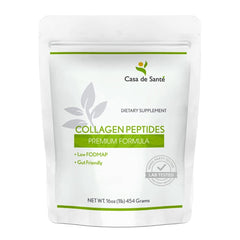
✨ Ready to support your gut, skin, and joints, without the discomfort? Experience the power of physician-formulated precision nutrition with Casa de Sante Collagen Peptides, developed by Dr Onyx MD PhD. This advanced, hydrolyzed, low-FODMAP collagen blend is crafted for sensitive digestive systems and sourced from pasture-raised, grass-fed cattle to ensure purity and absorption. Whether you're focused on gut lining repair, inflammation reduction, or metabolic wellness, this formula delivers comprehensive support that aligns with keto, paleo, and low-carb lifestyles. Elevate your digestive and metabolic health with science-driven collagen that's as gentle as it is effective.
👉 Explore more and order now at Casa de Sante
Conclusion
In the battle of Type I vs. Type III collagen, you don't have to pick just one. Type I is your go-to for structural support and skin firmness: Type III brings youthful elasticity and helps your tissues bounce back. Together, they deliver visible skin benefits and support the framework surrounding your joints, even if Type II collagen is the real MVP for cartilage repair.
For a science-backed boost to your skin, hair, and overall connective tissue health, a supplement that provides both Type I and III is your best bet. Get clear on your health goals and invest in quality collagen that aligns with your body's needs, your vibrant, resilient self will thank you.
Key Takeaways
- Type I collagen is essential for skin firmness, structure, and overall beauty benefits, making it ideal for those seeking youthful skin.
- Type III collagen enhances skin elasticity and flexibility, while also aiding early wound healing and supporting blood vessels and organs.
- Both Type I and Type III collagen work synergistically to deliver hydrated, resilient, and radiant skin for comprehensive skin health.
- While Type I and Type III support joint connective tissues, Type II collagen is specifically needed for cartilage repair and significant joint pain relief.
- For optimal skin and joint support, choose collagen supplements that combine both Type I and Type III to maximize benefits.