The Surprising Truth About Protein Powder for SIBO Patients—What Works, What Hurts, and Your Best Options
Struggling to meet your protein needs with SIBO? Choosing the wrong supplement could make things worse, but picking the right one could transform your digestive health. Let's break down exactly how you can support your gut, meet your health goals, and avoid the discomfort that so often comes with SIBO, and discover how precision nutrition makes all the difference.
Understanding SIBO and Protein Requirements
Small Intestinal Bacterial Overgrowth (SIBO) is more than just an irritating collection of digestive issues, it actively alters how your body takes in nutrients, particularly protein. If you're living with SIBO, you might already be familiar with the classic symptoms: bloating, abdominal pain, irregular bowel movements, and general food intolerance. But what often gets missed is how SIBO compromises nutrient absorption, especially when it comes to proteins, which your body desperately needs for tissue repair, immune function, and gut lining integrity.
Even if you load your plate with healthy foods, those nutrients may not fully reach your cells. That's why a strategic approach to protein is so critical if you want to heal and thrive with SIBO.
Challenges SIBO Presents for Protein Intake
Let's get specific: with SIBO, the presence of excess bacteria in the small intestine isn't just uncomfortable, those bacteria compete for the same nutrients you need, including protein and amino acids. This tug-of-war often leads to:
- Poor protein absorption, stalling muscle repair, immune response, and gut healing.
- Worsening digestive symptoms if high-FODMAP, dairy-based, or plant-protein powders introduce aggravating ingredients.
- Increased sensitivity to additives, gums, or fibers commonly found in many supplements.
The kicker? You may be missing key nutrients while also experiencing more bloating and discomfort. This paradox is precisely why protein supplementation for SIBO must be approached differently than for most people.
Selecting the Right Protein Powder for SIBO
With so many protein powders on the market, how do you navigate the minefield to find one that's gentle, effective, and supportive of your unique SIBO needs?
Types of Protein Powders and Their Suitability for SIBO
Not all proteins are created equal:
- Whey and Casein: Derived from dairy, these are popular but often problematic for SIBO due to FODMAP content and lactose, triggering symptoms in sensitive guts.
- Soy Protein: While plant-based, soy can be hard on the digestive system and is frequently avoided during SIBO protocols due to potential inflammation and allergenic risk.
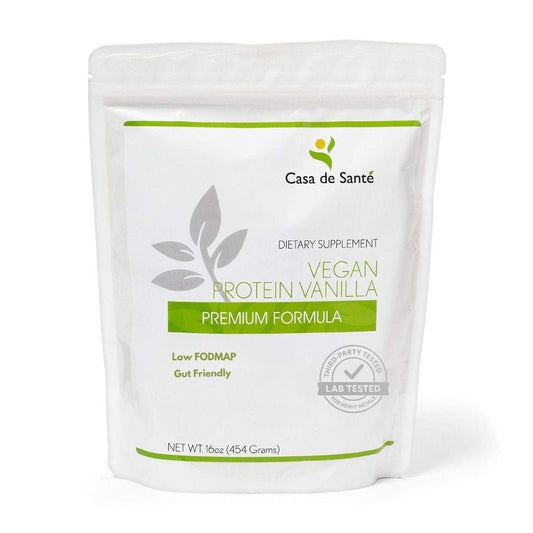
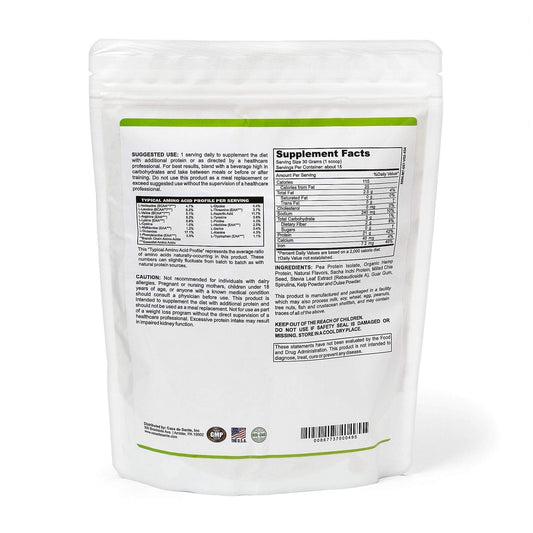
- Pea and Other Plant Proteins: Peas, rice, hemp, and similar proteins may be low in certain allergens, but often include added fibers, gums, or sweeteners (which are a no-go for SIBO folks).
- Egg White Protein: Generally low-FODMAP and well-digested, but not suitable for those with egg allergies.
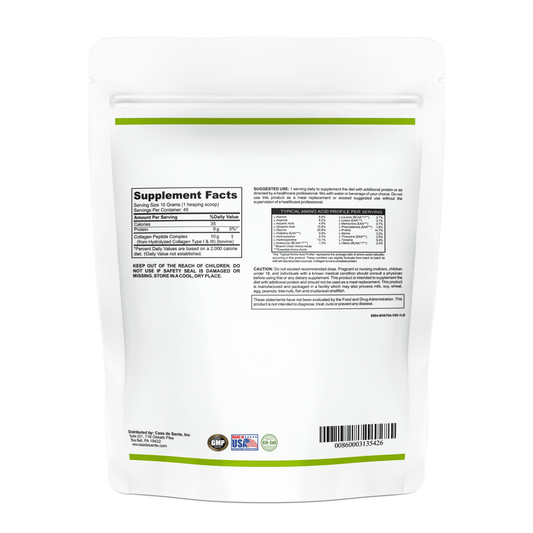
- Hydrolyzed Collagen Peptides: A standout for SIBO. Sourced from pasture-raised cattle and hydrolyzed for easy absorption, collagen peptides deliver amino acids vital for gut lining repair, joint health, and skin elasticity. Because they're low-FODMAP, free of artificial additives, and align with digestive support protocols, they're rarely associated with the typical digestive backlash.
Ingredients to Avoid in Protein Powders
Even the ‘healthiest' protein can get derailed by the wrong ingredients. If you see the following on a label, you're better off skipping that tub:
- Artificial sweeteners: Like sucralose, aspartame, or sugar alcohols (sorbitol, xylitol), all of which can trigger gut upset.
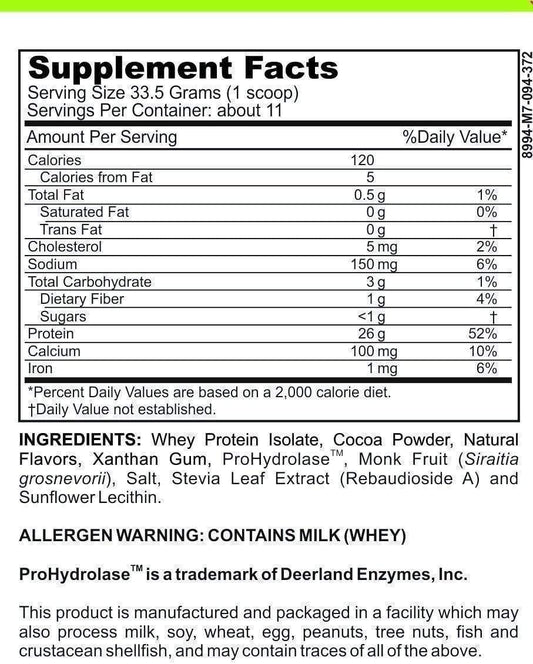
- Gums & thickeners: Such as guar gum, xanthan gum, and chicory root, increase gas, bloating, and discomfort.
- Added fibers: Inulin, FOS or prebiotic blends sound healthy but can severely aggravate SIBO symptoms.
- Milk solids, gluten, soy, and fillers: Each can trigger intolerances and defeat the purpose of a gut-friendly supplement.
When in doubt, simpler is better. Look for short ingredient lists with bioavailable protein and minimal, clean add-ins, think: collagen peptides, simple flavorings, and nothing more.
How to Incorporate Protein Powder Into a SIBO-Friendly Diet
Getting enough protein with SIBO is about more than picking the right powder, it's about integrating it into meals without triggering symptoms. Here's how to do it strategically:
- Start low, go slow: Begin with a half-serving of a well-tolerated, hydrolyzed collagen peptide powder. Observe how your gut reacts for a few days before increasing your portion.
- Mix smart: Blend into low-FODMAP smoothies (using unsweetened almond milk and berries), or stir into broths and soups for a savory nutrient-boost.
- Time it right: Consume protein powder with or after main meals to help buffer absorption and minimize GI irritation.
- Diversify: Rotate protein sources where possible and combine with other easily digestible whole foods to round out your amino acid intake.
A quick note: Even the best protein powder isn't a substitute for a varied, nutrient-dense diet. Use it to fill gaps, not as your primary source. And always check ingredient lists carefully, your gut (and taste buds) will thank you.
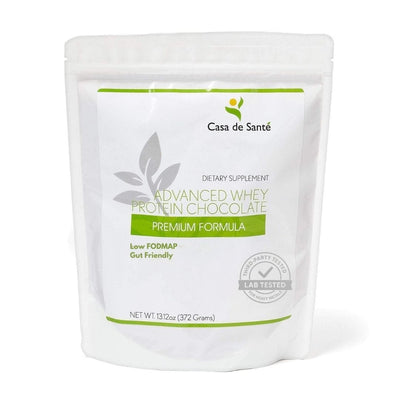
✨ Ready to support your gut, skin, and joints, without the discomfort? Experience the power of physician-formulated precision nutrition with Casa de Sante Collagen Peptides, developed by Dr Onyx MD PhD. This advanced, hydrolyzed, low-FODMAP collagen blend is crafted for sensitive digestive systems and sourced from pasture-raised, grass-fed cattle to ensure purity and absorption. Whether you're focused on gut lining repair, inflammation reduction, glowing skin, stronger nails, or metabolic wellness, this formula delivers comprehensive support that aligns with keto, paleo, and low-carb lifestyles. Elevate your digestive and metabolic health with science-driven collagen that's as gentle as it is effective.👉Order now at https://casadesante.com/products/advanced-hydrolyzed-collagen-peptides
Potential Risks and Precautions
Before you add even the most gut-friendly protein to your routine, beware of potential pitfalls:
- Ingredient reactions: Hidden additives and flavorings can still trip up sensitive guts. Always review labels for hidden nasties.
- Overdoing it: Excess protein, yes, even collagen, can overload compromised digestive systems and lead to nausea or GI distress.
- Underlying conditions: If you have additional diagnoses (like food allergies, kidney issues, or a history of GI surgery), talk to your healthcare provider before changing your protein intake.
- Quality assurance: Heavy metals and contaminants are a growing concern with many imported protein powders. Always choose brands that publish independent Certificates of Analysis (COA) to ensure safety and transparency (you can view Casa de Sante's COA here).
Conclusion
For those managing SIBO, the right protein powder isn't just a supplement, it's a ticket to better energy, stronger gut lining, and less day-to-day discomfort. Steer clear of common gut irritants in conventional powders, and choose a formula that's gentler, low-FODMAP, and physician-formulated, like Casa de Sante Collagen Peptides.
When you match your supplement to your real nutritional needs (and sensitivities), you don't just survive SIBO, you thrive in spite of it.
Key Takeaways
- Protein powder for SIBO patients should be low-FODMAP, free from artificial additives, and easy to digest to prevent symptom flare-ups.
- Hydrolyzed collagen peptides are an ideal protein powder choice for SIBO patients, supporting gut lining repair without triggering discomfort.
- Avoid protein powders containing artificial sweeteners, gums, added fibers, dairy, soy, and other potential gut irritants.
- Introduce protein powder slowly and incorporate it into SIBO-friendly meals, monitoring your body's response carefully.
- Always verify product quality and purity by checking independent Certificates of Analysis before choosing a protein powder for SIBO.