The Secret to Taming GLP-1 Gut Struggles: How to Take Digestive Enzymes for Optimal Comfort
Struggling with bloating or unpredictable digestion after starting a GLP-1 med like Ozempic or Mounjaro? You're not alone. Many people on these medications search for ways to reclaim digestive comfort, without giving up their favorite foods. Here's exactly how to use digestive enzymes alongside GLP-1 drugs for smoother meals and fewer side effects.
Understanding GLP-1 Medications
GLP-1 medications, including names like Ozempic, Wegovy, and Mounjaro, have transformed diabetes and weight management in recent years. These prescription drugs mimic the body's natural glucagon-like peptide-1 hormone, which plays a big role in blood sugar control and appetite.
But here's what many don't realize: GLP-1 meds slow the emptying of your stomach (that's called delayed gastric emptying), meaning food hangs out in your digestive tract longer. This helps you feel fuller, but it can also mess with how your body breaks down and absorbs nutrients. Some folks experience stomach discomfort, nausea, bloating, or even changes in bowel habits as a result.
What Are Digestive Enzymes?
Digestive enzymes are the unsung heroes of gut health. Produced by your pancreas and small intestine, these proteins (think amylase, lipase, protease) get to work breaking down carbs, fats, and proteins from your meals into bite-sized nutrients your body can actually use.
For most people, natural enzyme production is enough. But when digestion slows, or struggles, supplemental enzymes can lend a helping hand by breaking down food more thoroughly and efficiently.
Why Consider Digestive Enzymes With GLP-1 Medications?
Taking a GLP-1 medication can unintentionally throw off your digestive balance. By slowing gastric emptying and sometimes reducing your body's natural enzyme secretion, these meds leave some people feeling gassy, bloated, or just plain uncomfortable after eating.
Supplemental digestive enzymes can step in to:
- Reduce bloating and digestive heaviness.
- Minimize embarrassing gas.
- Support smoother, more complete digestion, so you absorb more nutrients from what you eat.
If you want to keep enjoying meals (yes, even pizza night or your favorite appetizers) without paying the price, digestive enzymes might be worth considering, especially if you notice more digestive issues after starting your GLP-1 regimen.
Timing and Dosage: Best Practices for Taking Digestive Enzymes
Here's the golden rule: always take digestive enzymes with your meals, never on an empty stomach. Enzymes work best when food is present, so aim to take them at the very start of a meal that contains protein or fat.
Quick Tips:
- Follow the directions on your enzyme supplement (some contain stronger doses and don't require more than one capsule per meal).
- No clinical guidelines require you to change your enzyme dose just because you're on a GLP-1 drug. Use the recommended amount, and avoid doubling up unless your provider suggests it.
- Space enzymes and your GLP-1 meds as directed, but don't stress about precise timing, they operate on different processes in the gut.
This approach maximizes the benefit: the enzymes break down your meal as it arrives in your stomach, counterbalancing the slowed digestion from your medication.
Safety Considerations and Potential Interactions
Good news: digestive enzymes and GLP-1 medications do not interact in ways that cause clinically significant problems for most people. But there are some caveats:
- If you have kidney disease, gastroparesis, or take drugs with a narrow safety window, talk to your healthcare provider first.
- If you notice persistent or new stomach pain, diarrhea, or unusual GI symptoms after adding enzymes, stop them and check in with your doctor.
- Don't use enzymes to self-treat chronic undiagnosed GI problems, get evaluated by a professional.
Overall, digestive enzymes are remarkably safe and well-tolerated when taken as directed, making them a gentle addition for many on GLP-1 medications.
Tips for Integrating Digestive Enzymes Into Your Routine
Want the best results? Here's how to make digestive enzymes work for you:
- Pick a multi-enzyme formula: Look for products containing amylase, lipase, and protease (plus a few extras if you eat a varied diet) to cover all your digestive bases.
- Be consistent: Take enzymes with any larger, heavier, or higher-fat meal, not just occasionally.
- Monitor your symptoms: Track improvements, and be on the lookout for rare side effects such as extra gas or cramping.
- Avoid megadoses: More is rarely better with enzymes. Stick to suggested use.
Enjoy your favorite foods again, without the bloat.
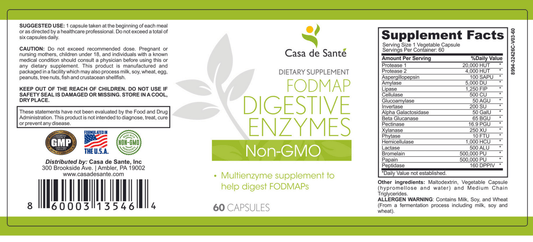
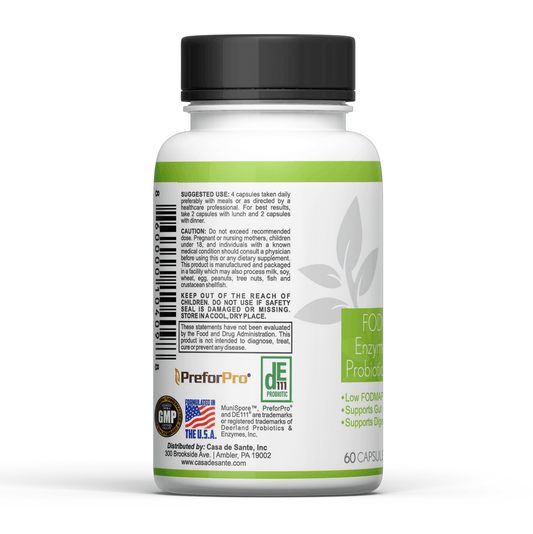
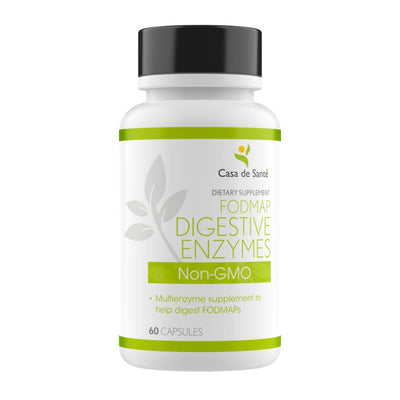
FODMAP Digestive Enzymes formulated by Dr. Onyx MD PhD, is an advanced 18-enzyme complex that breaks down even the toughest foods for fast and gentle relief from bloating and gas. Feel light, comfortable, and confident after every meal. Unlock Your Food Freedom with FODMAP Digestive Enzymes: https://casadesante.com/products/fodmap-digestive-enzymes
When to Consult a Healthcare Professional
Digestive enzymes are usually safe with GLP-1 meds, but don't go it alone if:
- You have other chronic health conditions (especially GI, kidney, or pancreatic issues)
- You're on multiple medications
- You notice ongoing digestive symptoms that don't resolve with enzyme use
- You suspect a nutrient deficiency or rapid changes in your stool patterns
A healthcare provider can tailor advice, rule out underlying problems, and suggest the safest, most effective enzyme formulas for your situation. Regular check-ins can also make sure your digestion (and meds) continue to work in harmony, especially if you're new to either supplement or prescription.
Conclusion
Finding your digestive groove on GLP-1 meds doesn't have to mean giving up the foods you love or suffering through daily discomfort. Digestive enzymes, taken smartly and consistently with meals, can be your game-changer for enjoying food with fewer side effects.
Personalize your approach, listen to your gut (literally), and loop in your healthcare provider when in doubt. With the right routine, you can reclaim food freedom, eat with confidence, and keep your health on track, every day.
Key Takeaways
- Taking digestive enzymes with GLP-1 medications like Ozempic or Mounjaro can help reduce bloating and improve digestion.
- Always take digestive enzymes at the start of a meal containing protein or fat for best results.
- Choose a multi-enzyme supplement and use only the recommended dose—more is not better.
- Digestive enzymes and GLP-1 meds generally do not interact negatively, but consult your doctor if you have kidney disease, chronic GI issues, or are on multiple medications.
- Track your symptoms and stop enzyme use if you notice persistent discomfort or GI side effects, seeking medical advice when needed.
Frequently Asked Questions About Taking Digestive Enzymes With GLP-1 Medications
How should I take digestive enzymes with GLP-1 medications like Ozempic or Mounjaro?
Digestive enzymes should be taken at the very start of your meal while using GLP-1 meds. They work best with food, especially meals containing protein or fat, helping to counteract slowed digestion caused by GLP-1 medications.
Can taking digestive enzymes help reduce bloating from GLP-1 medications?
Yes, digestive enzymes can help minimize bloating, gas, and digestive discomfort often experienced with GLP-1 medications. They aid in breaking down food more thoroughly, promoting smoother digestion and better nutrient absorption.
Are there any safety concerns when combining digestive enzymes with GLP-1 drugs?
For most people, digestive enzymes are safe with GLP-1 medications and have no significant interactions. However, if you have kidney disease, gastroparesis, or are on other complex medications, consult your healthcare provider first.
What type of digestive enzyme supplement is best to take with GLP-1 medications?
A multi-enzyme formula containing amylase, lipase, and protease is ideal, as it helps break down various food types. Choose a reputable supplement and use it with larger or higher-fat meals for best results.
Do digestive enzymes affect the effectiveness of GLP-1 medications?
Digestive enzymes and GLP-1 medications operate through different pathways in the digestive system and do not impact each other's effectiveness. There’s no need for exact spacing, but always follow your healthcare provider’s specific advice.
When should I consult a doctor before starting digestive enzymes with GLP-1 meds?
Consult your healthcare professional if you have chronic health conditions, take multiple medications, notice persistent digestive symptoms, or experience unusual side effects after starting digestive enzymes.