The Secret to Effortless Fat Digestion on Keto and Paleo (Most People Miss This!)
Ever find yourself struggling after a rich, high-fat meal on keto or paleo? You're not alone, and the solution is easier than you think. Supporting fat digestion isn't just about willpower or counting macros: it's about giving your body the tools to process those healthy fats so you can feel great and thrive on your chosen plan. Here's how to do it right.
Understanding the Role of Fat in Keto and Paleo Diets
Fat isn't just a nutrient on keto and paleo, it's the star. On a ketogenic diet, fat provides up to 75% of your total daily calories, pushing your body into fat-burning mode (ketosis) and supplying steady energy when carbs are low. Meanwhile, paleo emphasizes quality fats from whole foods, think avocados, nuts, wild-caught fish, and grass-fed meats, while avoiding inflammatory oils and additives.
But here's where it gets interesting: your ability to truly benefit from these fats hinges on how well your body can break them down and absorb them. If fat digestion is sluggish or incomplete, even the best-sourced avocado oil won't do you much good. Instead, you may notice symptoms like bloating, nausea, or energy crashes. That's why understanding, then supporting, your fat digestion is so critical to both diets' success.
Common Challenges With Fat Digestion
Switching to a higher-fat way of eating is a big shift for your system. Many people encounter unexpected speed bumps along the way:
- Bloating or stomach discomfort after eating rich foods
- Loose stools or greasy-looking stool, a sign fat isn't being absorbed
- Nausea or fullness, even after a moderate meal
- Heartburn or indigestion (sometimes the culprit is more fat than you're used to)
- Low energy or brain fog, because your body can't tap into dietary fat efficiently
Often, these issues stem from one or more of the following:
- Low stomach acid (common, especially with age)
- Weak bile flow (bile is crucial for breaking down fats)
- Insufficient digestive enzymes (like pancreatic lipase that split fats into usable parts)
The good news? You can address all of these, no need to white-knuckle your way through another dinner.
Practical Strategies to Improve Fat Digestion
Ready for smoother, more comfortable fat digestion? Here's how to pave the way:
Optimizing Digestive Enzyme Support
Enzymes are nature's "scissors," cutting dietary fats into bite-sized pieces your body can actually use. If you're high fat but low on enzymes (something that can happen with age, stress, or genetics), fat digestion stalls. Supplementing with a broad-spectrum digestive enzyme, especially one that includes lipase (for fats), proteases (for proteins), and additional enzymes for carbs and fibers, can make a noticeable difference.
Enjoy your favorite foods again, without the bloat.
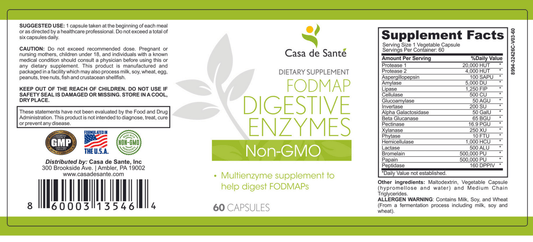
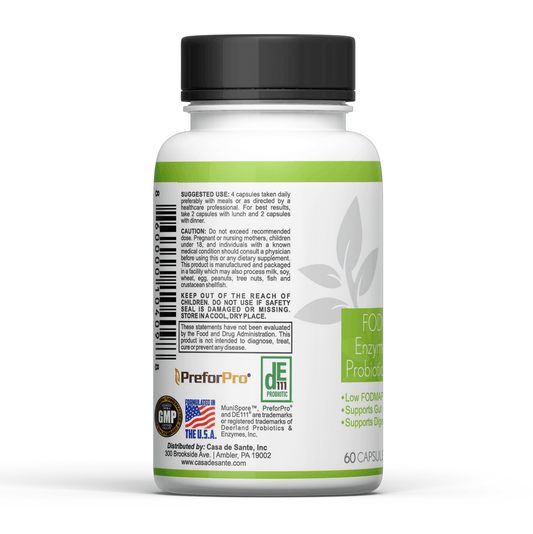
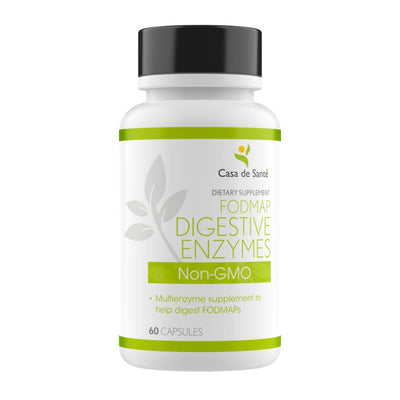
Casa de Sante's FODMAP Digestive Enzymes is your go-to solution for calm, confident digestion. Whether you're living with IBS, following a low FODMAP plan, or just have a sensitive stomach, this full-spectrum blend is designed to take the stress out of eating. Each capsule combines 18 targeted enzymes, including DPP-IV, alpha-galactosidase, lactase, and broad proteases, to break down complex proteins, fats, fibers, and troublesome FODMAP sugars that typical enzyme blends miss. Clinically formulated by Dr Onyx MD PhD, this non-GMO, vegan, low-FODMAP supplement supports smoother digestion and less gas, even after diverse or high-protein meals. From dairy and legumes to rich Keto dishes, it's gentle enough for daily use yet powerful enough for real relief. Take one before your next meal and rediscover what it feels like to eat without fear. Shop here.
Incorporating Bile Flow Enhancers
Bile is like nature's dish soap, breaking fat down into tiny droplets your body can easily absorb. If your gallbladder is sluggish (or you've had it removed), your body may need a nudge. Try these proven helpers:
- Bitter foods (arugula, dandelion greens, radishes)
- Lemon water before meals
- Milk thistle, artichoke extract, or dandelion root, these classic herbal supports can be surprisingly effective
- Moderating caffeine and alcohol, which can disrupt bile flow if overdone
Balancing Meal Composition and Timing
Combining fat with other whole foods (like fiber-rich veggies and quality protein) helps your body handle heavier meals. Try pairing avocado with leafy greens, or adding a little extra olive oil to roasted vegetables. And don't forget meal timing: rushing, overeating, or eating late at night can overload your digestive fire. Slow down, chew well, and give your gut a chance to do its job.
Lifestyle Habits That Promote Better Digestion
You can supercharge your digestive capacity, with no supplements required, just by tweaking daily habits:
- Mindful eating: Take a few deep breaths before meals, focus on your food, and avoid distractions. It sounds simple, but activating your "rest-and-digest" mode is half the battle.
- Physical activity: Regular movement supports gut motility and helps with bile flow, think brisk walking after meals or gentle yoga.
- Hydration: A well-hydrated digestive tract handles fat and fiber far better. Aim for water throughout the day, not just at meals.
- Stress management: Chronic stress shuts down optimal digestion. Even a quick daily meditation or time in nature can help recalibrate your system.
Small, consistent tweaks in your routine can add up to big changes in how you feel after every meal.
When to Seek Additional Support
Sometimes, even though your best efforts, fat digestion issues won't budge. If you're experiencing ongoing discomfort, unexplained weight loss, persistent floating stools, or chronic low energy, it's time to consult a trusted healthcare provider. Persistent problems may signal gallbladder disease, pancreatic insufficiency, or other underlying conditions that need professional attention.
If you're on medication or have a complex digestive history, it's always smart to check with a specialist before starting new supplements or making dramatic diet changes. Safety first, then, smoother fat digestion.
Conclusion
There's no need to let fat digestion woes derail your keto or paleo journey. By supporting enzyme activity, nurturing healthy bile flow, building strong lifestyle habits, and knowing when to ask for help, you'll unlock the energy and satisfaction that drew you to these diets in the first place. Don't settle for "just getting by", empower your digestion and enjoy every meal with confidence.
Ready to take the first step? Give your gut a gentle boost with Casa de Sante's FODMAP Digestive Enzymes, your partner in delicious, stress-free eating.
Key Takeaways
- Supporting fat digestion is crucial for thriving on a keto or paleo diet and avoiding discomfort after high-fat meals.
- Digestive enzyme supplements with lipase can help your body break down fats more effectively on both keto and paleo plans.
- Bile flow enhancers like bitter foods and herbal extracts support the absorption of dietary fat and promote smoother digestion.
- Balancing meals with fiber-rich vegetables and quality proteins, along with mindful eating, helps prevent bloating and sluggish digestion.
- Persistent fat digestion issues warrant medical advice to rule out gallbladder or pancreatic concerns before continuing with keto or paleo.