The Hidden Truth About Alpha Galactosidase vs Hemicellulase for Fructans (And What Really Works for Bloating)
If you're tired of feeling gassy and bloated after enjoying healthy foods like onions, garlic, or wheat, you're not alone. The real culprit might be fructans, carbs your gut just can't handle on its own. You've probably seen enzymes like alpha galactosidase and hemicellulase advertised as solutions, but do they really work for fructans? Let's break down what these enzymes can (and can't) do, plus how you can take back control of your digestion for good.
Understanding Fructans and Digestive Challenges
Fructans might sound obscure, but if you regularly eat everyday foods like wheat, onions, garlic, or even some fruits, you're getting a hefty dose of them. Fructans are chains of fructose molecules. Unlike simple sugars, these chains aren't easily digested because your body simply doesn't make the enzymes for the job.
Instead, when fructans make their way through your small intestine undigested, they head straight to your colon, where gut bacteria eagerly ferment them. That fermentation process releases gas, leading to bloating, stomach pain, and discomfort. For people with irritable bowel syndrome (IBS), this can be especially problematic, with symptoms flaring after otherwise healthy meals.
So, what can you do if fructans are holding your digestive health hostage? Enzyme supplements are a popular go-to. But, as you'll see, not all enzymes are up to the task.
Overview of Alpha Galactosidase
Alpha galactosidase is a well-known enzyme found in digestive aids like Beano®. Its main job? Breaking down galacto-oligosaccharides, these are sugars common in beans, lentils, and some vegetables that commonly cause gas. Alpha galactosidase works by hydrolyzing (cutting) specific galactose bonds so these carbs can be digested before they hit your colon.
But here's the deal: Alpha galactosidase is picky. It's designed to snip galactose residues, so while it's brilliant for beans, it simply doesn't recognize fructans at all. Fructans don't have the alpha-linked galactose structures this enzyme targets. If your bloating is caused by beans, alpha galactosidase is your friend. But when it comes to wheat or onions, the main sources of fructans, it won't make a dent.
Overview of Hemicellulase
Hemicellulase is actually an umbrella term for a group of enzymes rather than just one. These enzymes specialize in breaking down hemicellulose, a type of plant fiber abundant in cell walls. Hemicellulases can target complex sugars in vegetables and grains, helping your gut tackle fibers you'd otherwise struggle to digest.
Some hemicellulases can, in theory, interact with certain mixed-link sugar chains. But, most standard hemicellulase supplements are tuned for breaking down hemicellulose, not fructans. Only very specific hemicellulase enzymes (or blends containing fructanase or inulinase) show promise for fructans, but these are not typically in off-the-shelf products found in stores.
How Alpha Galactosidase and Hemicellulase Act on Fructans
Here's where enzyme labels get confusing. On paper, both alpha galactosidase and hemicellulase are praised for supporting digestion. But fructans are structurally different from the carbs these enzymes target.
Alpha galactosidase is a one-trick pony, it breaks down galacto-oligosaccharides, not fructans. If the food label says "fructan," alpha galactosidase won't help.
Hemicellulase, even though acting on plant fibers, is really meant for hemicellulose. Standard hemicellulase supplements just aren't built to tackle pure fructans (like the inulin in wheat or the oligofructose in onions). Only blends with specialized enzymes such as fructanase or inulinase can handle fructans, and these are rarely part of typical hemicellulase products.
In short, you could be popping the wrong enzyme every time you reach for relief after eating garlic bread.
Comparative Effectiveness: Alpha Galactosidase vs Hemicellulase for Fructan Digestion
Let's get specific: Neither alpha galactosidase nor hemicellulase (as commonly formulated) is actually effective for breaking down fructans.
- Alpha galactosidase only reacts with galactose-containing carbs (think: beans, not wheat or onions).
- Hemicellulase is tuned for hemicellulose: unless it's paired with a true fructanase or inulinase, it won't tackle fructans either.
Think of it like this: If you're using a key (enzyme) for the wrong lock (carb), you're not going to open the door. If your bloating comes from beans, reach for alpha galactosidase. If wheat or garlic is the culprit, you'll need something different, namely, a comprehensive enzyme blend that includes fructanase.
Enjoy your favorite foods again, without the bloat.
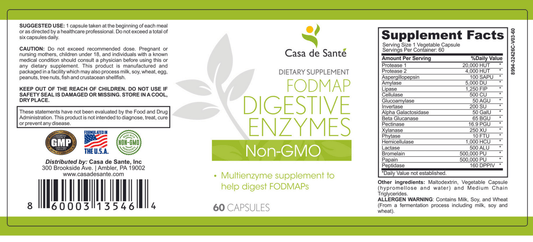
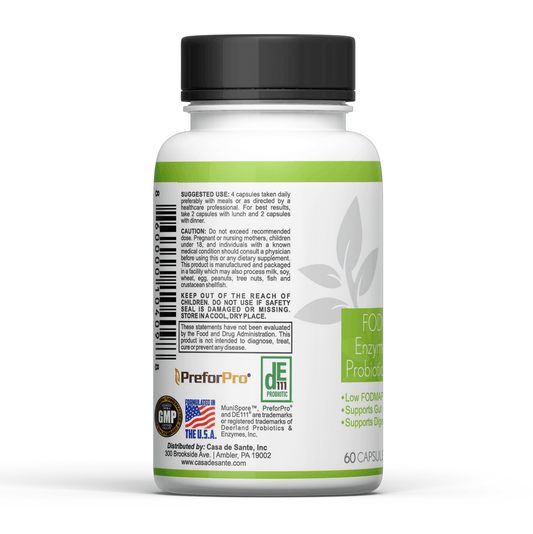
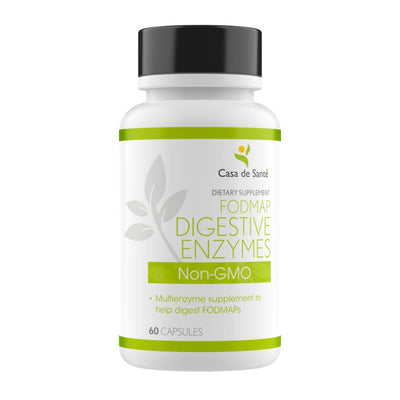
FODMAP Digestive Enzymes, formulated by Dr Onyx MD PhD, is an advanced 18-enzyme complex that breaks down even the toughest foods for fast and gentle relief from bloating and gas. Feel light, comfortable, and confident after every meal. Unlock Your Food Freedom with FODMAP Digestive Enzymes
Potential Benefits and Limitations
It's easy to assume all digestive enzyme supplements do the same thing, but precision matters. Here's how alpha galactosidase and hemicellulase stack up:
Alpha Galactosidase
- Best for: Reducing gas from galacto-oligosaccharide-rich foods like beans and lentils.
- Limitation: Won't help with fructan-heavy foods (wheat, onions, garlic, artichokes).
Hemicellulase
- Best for: Assisting with digestion of certain plant fibers, supporting overall gut health.
- Limitation: Only marginally effective for fructans, unless specifically blended with fructanase, it won't significantly reduce bloating from fructan-rich foods.
The Takeaway: If your major trigger foods are beans, go with alpha galactosidase. If it's wheat, onions, or garlic (classic fructan sources), you'll need an enzyme blend designed for FODMAPs, including fructanase, to actually make a difference. Otherwise, you might end up frustrated, still dealing with those uncomfortable post-meal symptoms.
Conclusion
Next time you face a tempting pasta dish or a slice of rustic bread and worry about post-meal discomfort, remember: Not every enzyme supplement is up to the challenge of fructans. Alpha galactosidase won't help with wheat-induced bloat, and conventional hemicellulase won't either, unless you find a formula that specifically includes fructanase or inulinase.
You don't have to avoid your favorite foods or resign yourself to bloating and gas. Look for digestive enzyme blends that cover the whole spectrum of tough carbs, so you can eat comfortably and confidently.
Ready for some relief?
Enjoy your favorite foods again, without the bloat.
FODMAP Digestive Enzymes by Dr Onyx MD PhD gives you the complete toolkit for digestion, including support for fructans. Feel light, comfortable, and in control after every meal. Unlock Your Food Freedom today.
Key Takeaways
- Alpha galactosidase is effective for digesting beans and lentils but does not break down fructans found in wheat, onions, and garlic.
- Hemicellulase primarily aids in digesting certain plant fibers and is not effective against fructans unless paired with specialized enzymes like fructanase.
- For relief from bloating caused by fructans, choose a digestive enzyme blend that specifically includes fructanase or inulinase.
- Using the wrong enzyme, such as alpha galactosidase or standard hemicellulase, will not reduce symptoms from fructan-rich foods.
- Targeted FODMAP digestive enzyme blends offer comprehensive support, helping you enjoy a broader range of foods without discomfort.
Frequently Asked Questions about Alpha Galactosidase vs Hemicellulase for Fructans
Does alpha galactosidase help digest fructans in foods like wheat and onions?
Alpha galactosidase does not break down fructans. It is effective for digesting galacto-oligosaccharides found in beans and some vegetables, but it cannot target fructans present in wheat, onions, or garlic.
Is hemicellulase effective for breaking down fructans?
Hemicellulase mainly targets plant fibers like hemicellulose and is not formulated to break down fructans. While certain blends might include enzymes capable of digesting fructans, most standard hemicellulase supplements do not effectively address fructan digestion.
What is the best enzyme for digesting fructans?
For effective fructan digestion, look for enzyme blends that specifically include fructanase or inulinase. These enzymes are designed to break down fructans, providing relief from bloating caused by foods like wheat, onions, and garlic.
Which enzyme should I use if beans give me gas but not wheat?
If beans are your main trigger, alpha galactosidase is the best choice, as it breaks down gas-producing sugars in beans. For issues with wheat or onions, you'll need a supplement containing fructanase, not alpha galactosidase.
Are there enzyme supplements that help with FODMAPs, including fructans?
Yes, some advanced digestive enzyme blends, such as those labeled for FODMAP support, contain a complete spectrum of enzymes, including fructanase. These formulations are designed to help digest a variety of hard-to-digest carbs, including fructans, to reduce post-meal discomfort.
Why do some digestive enzymes not help with bloating from wheat or garlic?
Many common digestive enzymes are formulated to target specific carbs, like galacto-oligosaccharides or plant fibers, but not fructans. To effectively reduce symptoms from wheat or garlic, choose blends that include fructan-specific enzymes, such as fructanase or inulinase.