Surprising Ways Collagen Can Soothe Your Joints During Perimenopause—And How to Get Results Fast
If joint aches and stiffness are starting to creep up as you enter perimenopause, you're not alone. Hormonal shifts can put extra strain on your joints, sometimes when you least expect it. But there's good news: smart collagen supplementation can help you stay comfortable and resilient. Here's how to make collagen work for your joints during this pivotal time.
Understanding Perimenopause and Joint Issues
Perimenopause is the transitional phase marking the years before menopause, typically hitting women in their 40s but sometimes starting a bit earlier. Estrogen, a hormone that does much more than regulate your cycle, begins to fluctuate and eventually decline. While most of us expect the hot flashes and mood changes, the surprise is often in the joints.
As estrogen drops, your body's natural anti-inflammatory protection diminishes. This can leave your joints more prone to stiffening, aching, and swelling, particularly after exercise or upon waking. Collagen, the most abundant protein in your body, is intimately involved here. It acts like scaffolding, cushioning and strengthening your joints and connective tissue.
So if you're noticing more joint "creaks" during perimenopause, it's not all in your head. It's physiological, and understanding the connection paves the way to more targeted support.
The Role of Collagen in Joint Health
Collagen is essential for joint structure and movement. Type I and Type III collagen, in particular, form the framework of cartilage, tendons, and ligaments. As you age, especially in perimenopause, your body produces less of it. That's when you might notice popping knees, stiffer wrists, or that annoying ache after a walk.
Scientific studies show that hydrolyzed collagen supplements can help replenish what's lost, reducing joint discomfort and promoting flexibility. What's more: collagen's anti-inflammatory properties can help soothe swelling or morning stiffness. So, keeping up with collagen intake isn't just about vanity (hello, glowing skin), it's about maintaining freedom of movement, too.
Types of Collagen Supplements for Perimenopausal Women
Walk into any supplement aisle and the options can be overwhelming. The best collagen for joint health, especially during perimenopause, is typically hydrolyzed Type I & III collagen, sourced from pasture-raised, grass-fed cattle. Why? Hydrolyzed collagen is broken down into peptides, making it easier for your body to absorb and use directly for tissue repair.
Powdered collagen peptides are highly versatile: you can blend them into your morning coffee, smoothies, or even soups without a second thought. Capsules are convenient, but often pack a lower dose and may be harder to digest for some. It's wise to avoid collagen blends with unnecessary additives or sugar, which can irritate sensitive digestive systems.
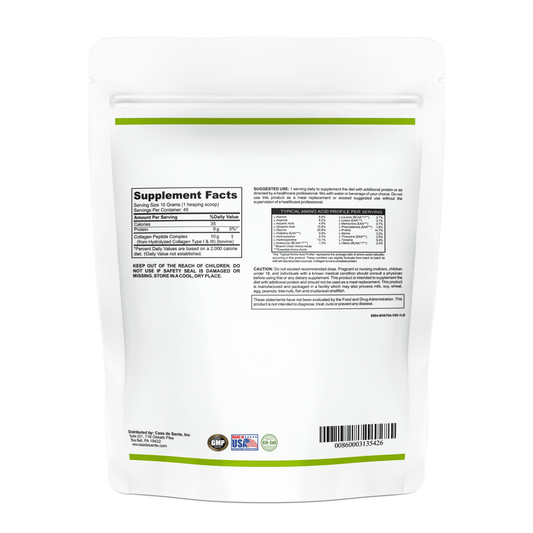
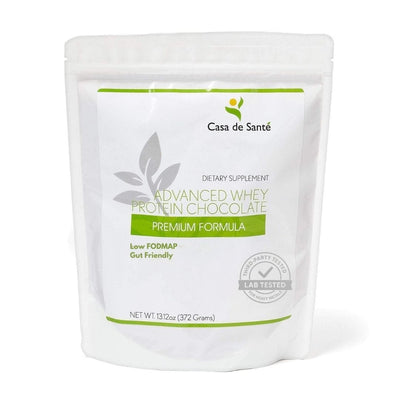
If you're managing digestive sensitivity (IBS, gut issues, or bloating), a low-FODMAP, physician-formulated product, like Casa de Sante Collagen Peptides, delivers both safety and efficacy for comfort and absorbability.
How to Effectively Use Collagen During Perimenopause
Choosing the Right Dosage and Form
Clinical studies generally recommend 10-20 grams of hydrolyzed collagen peptides per day for joint support. Most women find a sweet spot at around one to two scoops daily, depending on the brand and their individual needs. Always check the label for clear dosing, high-quality brands like Casa de Sante make this easy with measured scoops per serving.
Aim for consistency over time, as collagen works cumulatively. If you're starting something new, consider beginning with a lower dose and working up as your body adapts.
Best Practices for Absorption and Results
For maximum absorption, pair your collagen with vitamin C, think a squeeze of lemon in your water or a side of fresh fruit. Collagen peptides mix easily into both hot and cold beverages. Many women find it simple to stir into their morning coffee, oatmeal, or yogurt. Making this a morning habit can make it easier to remember and stick with daily.
Give your body a window of 4–8 weeks to notice changes in joint comfort and overall mobility. Results may vary, but most studies, and user feedback, suggest consistent improvement with continued use.
✨ Ready to support your gut, skin, and joints, without the discomfort? Experience the power of physician-formulated precision nutrition with Casa de Sante Collagen Peptides, developed by Dr Onyx MD PhD. This advanced, hydrolyzed, low-FODMAP collagen blend is crafted for sensitive digestive systems and sourced from pasture-raised, grass-fed cattle to ensure purity and absorption. Whether you're focused on gut lining repair, inflammation reduction, glowing skin, stronger nails, or metabolic wellness, this formula delivers comprehensive support that aligns with keto, paleo, and low-carb lifestyles. Elevate your digestive and metabolic health with science-driven collagen that's as gentle as it is effective.👉Order now at https://casadesante.com/products/advanced-hydrolyzed-collagen-peptides
Potential Benefits and What to Expect
When used regularly, collagen peptides can offer significant relief from the joint annoyances that often accompany perimenopause. Many women report:
- Less morning stiffness and quicker recovery after activity
- Reduced general joint pain and softer "cracking" sensations
- Enhanced flexibility that makes exercise and everyday movement easier
- The side bonuses: stronger nails, more resilient skin, and improved gut comfort
Realistically, you might not wake up "creak-free" overnight. But with steady supplementation and a well-rounded diet, joint improvement and overall well-being are very much within reach. Just remember: your results build with time.
Possible Risks and Considerations
Collagen is generally considered safe, especially when sourced from reputable suppliers who test for heavy metals and contaminants. But a few considerations matter:
- If you have a history of allergies to beef or bovine products, check labels carefully.
- Some people, especially those with very sensitive stomachs, may experience minor digestive upset at first: starting low and increasing gradually minimizes this risk.
- Collagen should supplement, not replace, a varied, whole-foods diet rich in protein, antioxidants, and healthy fats.
- For those with active autoimmune or severe chronic health issues, it's always smart to consult your physician before beginning any new supplement.
Casa de Sante Collagen Peptides stands out here for its dedication to transparency, offering a Certificate of Analysis (COA) and prioritizing formulation for digestive comfort.
Conclusion
Collagen is more than a buzzword: it's a real ally when it comes to supporting your joints during perimenopause. By choosing a quality hydrolyzed collagen peptide, tailoring your dosage, and staying consistent, you'll be stacking the odds in favor of smoother movement, fewer aches, and better overall comfort.
Perimenopause can be unpredictable, but your joint support doesn't have to be. With physician-formulated collagen, especially science-driven options like Casa de Sante, you can step confidently into this new phase, ready to move, bend, and thrive with every stride.
Key Takeaways
- Perimenopause often leads to joint aches due to hormonal changes, but collagen supplementation can provide targeted relief.
- Hydrolyzed Type I & III collagen peptides are most effective for joint support during perimenopause and are best absorbed with vitamin C.
- A consistent daily dose of 10–20 grams of collagen, mixed into coffee or smoothies, can help reduce joint discomfort and improve flexibility over 4–8 weeks.
- Choose high-quality, physician-formulated collagen supplements—preferably low-FODMAP for sensitive digestion—to maximize safety and benefits.
- Collagen supplements can ease morning stiffness, reduce joint pain, and offer additional perks like healthier skin and nails for women in perimenopause.