Say Goodbye to Post-Meal Discomfort: Digestive Enzymes With Lactase for IBS Relief
If you struggle with IBS, lactose intolerance, or just feel uneasy after your favorite meals, you're not alone. The right digestive enzyme, especially one with lactase, could make all the difference. Curious how? Let's break it down here.
Understanding Irritable Bowel Syndrome (IBS)
Irritable Bowel Syndrome, or IBS, affects roughly 10–15% of adults worldwide. If you're dealing with it, you're certainly not alone. IBS isn't a one-size-fits-all condition, it comes in many forms with symptoms like bloating, abdominal pain, diarrhea, constipation, or an unpredictable mix of all three.
Triggers vary, but common culprits include certain foods (hello, pizza night), stress, hormonal changes, and changes in gut bacteria. Managing IBS often means playing detective with your diet, carefully monitoring what causes symptoms to flare up.
Living with IBS means your digestive system is a little more sensitive than most, which is why even healthy foods, like beans or dairy, might set it off. That's where understanding digestive health, enzymes, and their relationship to common IBS complaints becomes especially important.
The Role of Digestive Enzymes in Digestion
You probably know food doesn't actually "digest itself" just because it lands in your stomach. Digestive enzymes, tiny, specialized proteins your body naturally produces, are what break down proteins, fats, and carbohydrates so your system can absorb the good stuff and get rid of the rest.
Here's the thing: If your enzyme production is off (which is common with gut issues), certain foods can become a big problem. Undigested bits linger, causing fermentation, gas, cramping, and bloating, classic IBS symptoms.
This is where digestive enzyme supplements step in. They boost your digestive capacity, helping your gut process foods that might otherwise cause chaos. For people with IBS, the right enzyme support can mean fewer "off-limit" foods and smoother meals overall.
What Is Lactase and Why Is It Important?
Lactase is a specific digestive enzyme with one job: breaking down lactose, the sugar found in milk and most dairy products. If you don't produce enough lactase, consuming dairy can lead to classic IBS-like symptoms, bloating, gas, abdominal pain, or urgent trips to the bathroom.
Lactase deficiency is surprisingly common. In fact, up to 65% of the world's population struggles to digest lactose after infancy. For those with IBS, being sensitive to lactose is even more likely, as the condition often overlaps with lactose intolerance.
The solution? Supplemental lactase. It acts as your body's backup, helping you enjoy foods like cheese, yogurt, or even the occasional ice cream, without the post-meal regrets.
How Digestive Enzymes With Lactase May Help IBS Symptoms
For anyone with IBS, digestive enzymes with lactase are like a personal insurance policy for your gut. Here's why:
- Reduce Gas & Bloating: When you supplement with lactase, you help prevent undigested lactose from reaching your colon, where gut bacteria would normally feast and produce excess gas. Fewer bubbles mean a happier belly.
- Expand Your Food Options: You might discover you can tolerate a wider variety of foods again, especially if meals used to be a minefield. No more anxiously scanning menus for "hidden dairy."
- Smoother Digestion Overall: Many advanced digestive enzyme blends include more than just lactase, think proteases (for proteins), lipase (for fats), alpha-galactosidase (for beans and some vegetables), and cellulase (for plant fibers). The combined effect? Less fermentation, less cramping, and more confidence in what you eat.
- Support for Low FODMAP Diets: For those on a low FODMAP regimen to manage IBS, enzyme blends with lactase are a game changer. They help tackle not only lactose, but other hard-to-digest FODMAPs as well.
Enjoy your favorite foods again, without the bloat.
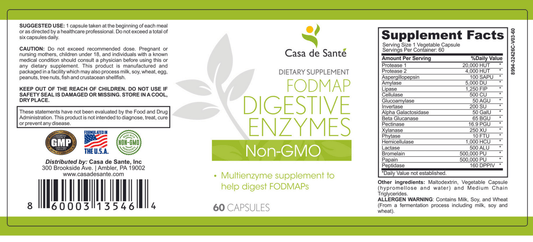
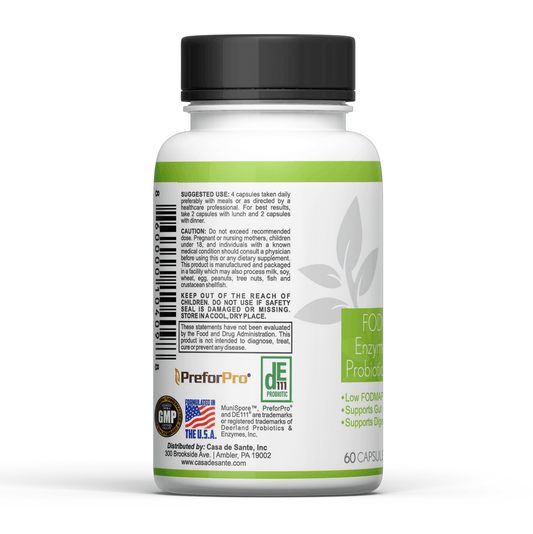
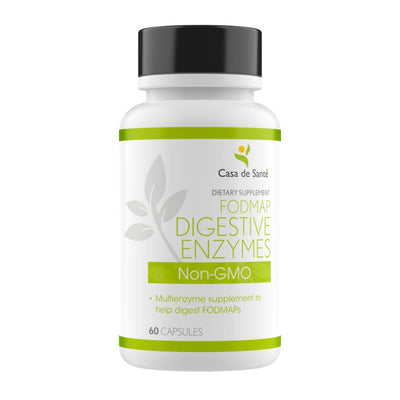
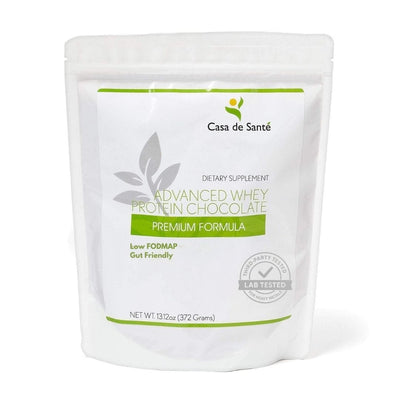
Casa de Sante's FODMAP Digestive Enzymes is your go-to solution for calm, confident digestion. Whether you're living with IBS, following a low FODMAP plan, or just have a sensitive stomach, this full-spectrum blend is designed to take the stress out of eating. Each capsule combines 18 targeted enzymes, including DPP-IV, alpha-galactosidase, lactase, and broad proteases, to break down complex proteins, fats, fibers, and troublesome FODMAP sugars that typical enzyme blends miss. Clinically formulated by Dr Onyx MD PhD, this non-GMO, vegan, low-FODMAP supplement supports smoother digestion and less gas, even after diverse or high-protein meals. From dairy and legumes to rich Keto dishes, it's gentle enough for daily use yet powerful enough for real relief. Take one before your next meal and rediscover what it feels like to eat without fear. Shop here.
Choosing the Right Digestive Enzyme Supplement for IBS
Not all enzyme supplements are created equal. Here's what to look for when making your pick, especially if you have IBS:
- Full-Spectrum Enzymes: The best blends include a wide range of enzymes, lactase for lactose, but also protease, lipase, alpha-galactosidase, and cellulase. This covers proteins, fats, carbs, and those pesky FODMAPs.
- Low FODMAP Certified: If you're sensitive to FODMAPs, make sure the supplement itself won't trigger your symptoms. Certified options like Casa de Sante's have you covered.
- Clinically Formulated: Trust products developed by gut health specialists. Formulations backed by real science (and ideally a medical expert's credentials) are your safest bets.
- Vegan and Non-GMO: Especially important if you follow plant-based or clean-eating lifestyles.
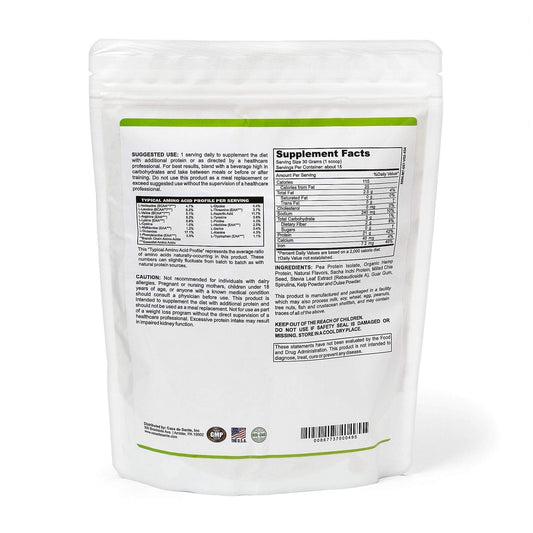
- Transparent Labeling: Avoid blends with hidden fillers or unnecessary additives, it pays to read the ingredient list closely.
Don't be afraid to experiment, but always check with your healthcare provider before adding a new supplement. IBS is so personal: what works for one person might not for another.
Potential Side Effects and Precautions
Although digestive enzyme supplements, including those with lactase, are generally considered safe, there are still some things you should watch out for:
- Mild GI Symptoms: Very occasionally, you might notice minor stomach discomfort, nausea, or diarrhea, especially during the first few uses.
- Allergic Reactions: Rare, but possible, always check the label for allergens and discontinue if you notice rashes, swelling, or trouble breathing.
- Medication Interactions: Digestive enzymes can interfere with the absorption of some medicines. If you take regular prescriptions, talk with your doctor first.
- Underlying Conditions: If you have chronic GI issues beyond IBS, or a history of pancreatitis or ulcers, consult your GI specialist before starting any supplement.
Quality control is crucial, choose trusted brands that prioritize testing and transparency. It's about supporting your digestion, not complicating it.
Conclusion
You don't have to live at the mercy of your gut. With the right digestive enzymes, including lactase, you can approach every meal with more confidence, fewer symptoms, and a real hope for food freedom. Remember to select formulas that match your specific needs, use them consistently, and monitor how your body responds.
Want to ditch the guesswork and the bloat? Casa de Sante's FODMAP Digestive Enzymes could be your ticket back to enjoying meals you love. Here's to calmer digestion and rediscovering just how good food can feel.
Key Takeaways
- Digestive enzymes with lactase can help people with IBS manage symptoms like bloating and gas, especially when eating dairy.
- Choosing a full-spectrum digestive enzyme supplement that includes lactase, protease, lipase, and alpha-galactosidase offers broader digestive support for IBS sufferers.
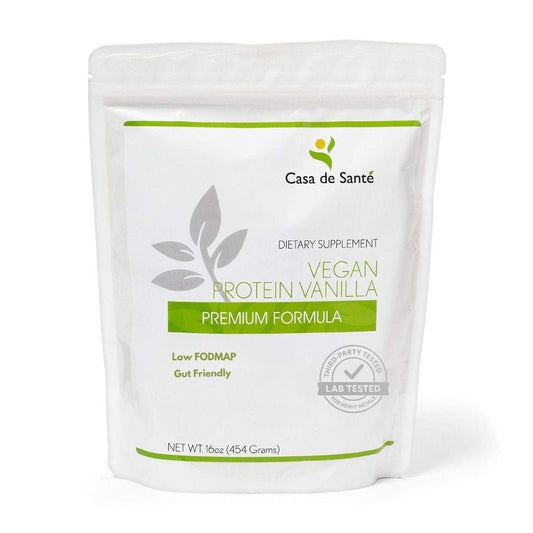
- Supplements like Casa de Sante's FODMAP Digestive Enzymes are designed for those with IBS, being low FODMAP, vegan, and clinically formulated for smoother digestion.
- Always check for potential allergens and consult your healthcare provider before adding digestive enzymes with lactase to your IBS regimen.
- Monitoring your response to digestive enzymes with lactase empowers better control over IBS symptoms and brings enjoyment back to your meals.