Say Goodbye to IBS Bloating: The Best Digestive Enzymes for Fast Relief (Backed by Science)
Struggling with IBS can turn every meal into a source of worry. The good news? The right digestive enzymes could be your secret weapon against gas, bloating, and embarrassing discomfort. Here's exactly what you need to know about the best digestive enzymes for IBS so you can enjoy your favorite foods again, and feel good afterward.
Understanding IBS and Digestive Enzymes
Irritable Bowel Syndrome, or IBS, is more than just an occasional upset stomach, it's a chronic condition that impacts your entire digestive tract. You might deal with unpredictable cramps, bloating, gas, diarrhea, or constipation, and no amount of regular checkups ever reveals a clear structural cause.
That's where digestive enzymes step in. Your body naturally creates these proteins, mostly from your pancreas, to help break down the food you eat into nutrients you can actually absorb. Think of them as microscopic scissors, snipping proteins, carbs, and fats into smaller, usable pieces. But if those enzymes don't do their job properly, leftover food can ferment in your gut, triggering the all-too-familiar IBS symptoms.
How Digestive Enzymes Help IBS Symptoms
If certain foods always seem to set off your IBS, part of the issue may be incomplete digestion. When your digestive system leaves bits of food undigested, bacteria in your gut go to town fermenting those leftovers. The result? Bloating, gas, and sometimes diarrhea.
Digestive enzyme supplements lend a helping hand by speeding up the breakdown of those problematic foods, reducing the fuel available for gas-causing bacteria. Many people with IBS find that taking digestive enzymes right before a meal can make a world of difference, especially when eating out or enjoying "risky" favorites. The result is often less bloating, reduced discomfort, and in some cases, far fewer mad dashes to the bathroom.
Types of Digestive Enzymes Recommended for IBS
Not all enzymes are created equal, and which ones work best for you depends on your personal symptom triggers. Here are the top enzyme types to consider:
- Alpha-galactosidase: This powerhouse enzyme targets hard-to-digest carbohydrates in beans, lentils, and some vegetables. If these foods balloon you up like a Thanksgiving parade float, alpha-galactosidase may help.
- Lactase: Do dairy products spell disaster? Lactase helps your body break down lactose, the sugar found in milk and many soft cheeses. A must-have for those with lactose intolerance layered on top of IBS.
- Protease, Amylase, Lipase: These three work as a team to digest proteins, carbohydrates, and fats. They're especially useful if big meals, fatty foods, or high-protein dishes are your main IBS minefields.
Combination enzyme blends can offer broad coverage, tackling several food groups at once. But they're not always necessary for everyone, targeted enzymes are often more effective if you already know which foods bother you most.
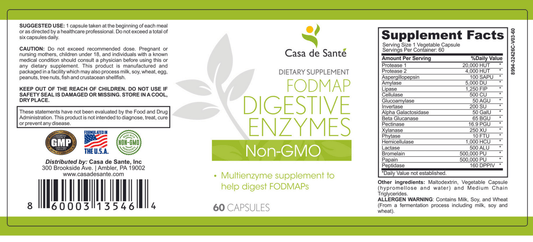
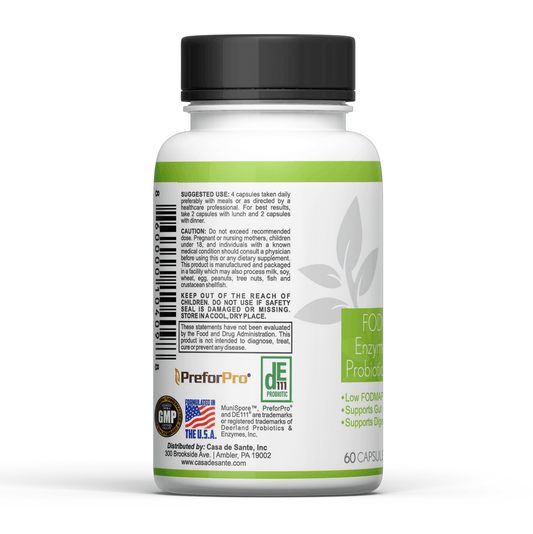
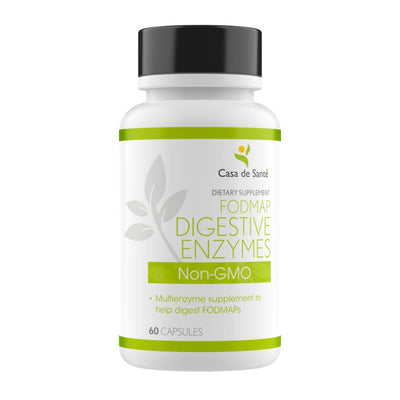
If you want fast, gentle, and comprehensive relief, consider FODMAP Digestive Enzymes by Dr Onyx MD PhD. This advanced 18-enzyme complex is designed to break down even the toughest foods, helping relieve bloating and gas so you feel lighter, comfortable, and confident after every meal. Enjoy your favorite foods again, without the bloat. Unlock Your Food Freedom:FODMAP Digestive Enzymes.
Key Considerations When Choosing Digestive Enzymes
When shopping for digestive enzymes, there's no true one-size-fits-all. Here's what you need to keep in mind:
- Identify your trigger foods: Is it dairy, beans, or fatty dishes that cause trouble? Choose an enzyme (or blend) that targets those specific culprits.
- Use as needed: Enzymes are generally meant for meals that might trouble you, not every single bite. If you're always relying on them, it's time to check in with your healthcare provider to rule out deeper issues.
- Timing matters: Most digestive enzymes need to be taken just before or with your meal. Follow the label's instructions for the best results.
- Single vs. broad-spectrum supplements: If you have varied triggers or eat lots of different foods, a combo supplement makes sense. But for single problem-foods (like dairy), a targeted enzyme might be more cost-effective, and effective overall.
Most importantly, don't ignore persistent symptoms. If you're constantly reaching for enzymes to stay comfortable, a registered dietitian or GI doctor can help you craft a long-term, sustainable plan tailored to your unique gut.
Potential Side Effects and Safety Tips
Like any supplement, digestive enzymes aren't completely risk-free. Some people may experience mild abdominal pain, diarrhea, or rarely, allergic reactions, especially if you have existing sensitivities (like to mold or fungal sources).
For occasional use, digestive enzymes are considered safe for most folks, but keep these safety tips front of mind:
- Consult with your healthcare provider first, especially if you have any current medical conditions or take daily medications.
- Never use enzymes as a permanent crutch. If symptoms persist or worsen, get medical advice rather than increasing your dose on your own.
- Avoid mega-dosing. More isn't always better, in fact, overuse can sometimes upset your gut more, not less.
Most importantly, always check the source and quality of your enzymes. Go for reputable brands, and don't hesitate to double-check reviews or ask your doctor what's best for your situation.
Conclusion
Digestive enzymes aren't a magical cure for IBS, but for the right person, with the right triggers, they can be a total game-changer. Focus on identifying your personal food triggers, select enzymes that target those, and use them smartly when you're most likely to benefit. Pair supplements with a little detective work (and some expert guidance), and you're on your way to feeling lighter, more comfortable, and more in control at mealtime.
And remember, advanced options like FODMAP Digestive Enzymes, formulated by Dr Onyx MD PhD, are designed to offer help even when your food choices get tough. Ready to enjoy your favorite foods again, without dreading the bloat? Unlock Your Food Freedom Now:FODMAP Digestive Enzymes.
Key Takeaways
- Digestive enzymes can help relieve IBS symptoms by supporting the breakdown of problematic foods that trigger gas and bloating.
- The best digestive enzymes for IBS include alpha-galactosidase for beans and veggies, lactase for dairy, and enzyme blends for diverse trigger foods.
- FODMAP Digestive Enzymes offer advanced support for breaking down tough foods and may help you enjoy your favorite meals without discomfort.
- Choose digestive enzymes that target your personal IBS trigger foods and always take them as directed, ideally just before or with meals.
- Consult your healthcare provider before starting any new digestive enzyme supplement, and avoid using them as a long-term substitute for proper medical advice.
FAQs About the Best Digestive Enzymes for IBS
What are the best digestive enzymes to take for IBS?
The best digestive enzymes for IBS include alpha-galactosidase for beans and vegetables, lactase for dairy, and a combination of protease, amylase, and lipase for mixed meals. FODMAP Digestive Enzymes blends can also help those reacting to various food groups.
How do digestive enzymes help manage IBS symptoms?
Digestive enzymes help break down problematic food components, reducing the fermentation by gut bacteria that leads to bloating, gas, and discomfort. By improving digestion, enzymes can ease many IBS symptoms when taken before meals.
When should I take digestive enzymes for IBS?
Digestive enzymes are typically most effective when taken just before or with meals that might trigger IBS symptoms. Taking them at the wrong time may lessen their benefit, so always follow the product’s directions for use.
Can everyone with IBS benefit from digestive enzyme supplements?
Not everyone with IBS will benefit from digestive enzymes. They are most helpful if you notice symptoms after eating specific problem foods. If symptoms continue despite enzyme use, consult a healthcare professional to explore underlying causes.
Are there any risks or side effects with digestive enzymes for IBS?
Most people tolerate digestive enzymes well when used as directed, but some may experience mild abdominal pain, diarrhea, or allergic reactions. Consult your healthcare provider before starting supplements, especially if you have medical conditions.
What is the difference between targeted enzymes and broad-spectrum enzyme blends for IBS?
Targeted enzymes focus on digesting specific foods, such as lactase for dairy. Broad-spectrum blends, like FODMAP Digestive Enzymes, provide multiple enzymes to cover various food groups, which is helpful if your IBS triggers are diverse or unpredictable.