Say Goodbye to Gas: Your Ultimate Guide to Probiotics and IBS Relief
If you struggle with IBS, you know how probiotics can sometimes cause more harm than good. The gas and bloating can feel overwhelming. In this text, we'll explore how to effectively reduce gas from probiotics and support your gut health without discomfort.
Understanding IBS and Probiotics
Irritable Bowel Syndrome (IBS) is a chronic digestive disorder affecting millions. It's characterized by symptoms like bloating, gas, diarrhea, and constipation, leading to discomfort and frustration. On the other hand, probiotics are live bacteria that can provide numerous health benefits, particularly concerning gut health. For IBS sufferers, these beneficial bacteria can sometimes have the opposite effect, exacerbating symptoms rather than alleviating them.
The Role of Probiotics in Gut Health
Probiotics help maintain the balance of good bacteria in your gut, improving digestion and bolstering your immune system. They can also enhance nutrient absorption and support the gut-brain connection. But, not all probiotics are the same, and their effects can vary significantly depending on the strains used and individual gut environments. Choosing the right probiotic for your specific condition, especially when dealing with IBS, is crucial.
Common Causes of Gas From Probiotics
Probiotics can produce gas for several reasons, particularly for those with IBS:
- Bacterial Fermentation: Some probiotic strains ferment undigested food in the gut, leading to gas production. This is common with high-fiber foods.
- Strain Sensitivity: Certain strains might not be compatible with your gut flora, causing digestive distress.
- Prebiotic Components: Many probiotics contain prebiotics (which can also cause gas). This is especially the case with fiber-based prebiotics that might aggravate IBS symptoms.
Strategies To Minimize Gas From Probiotics
To enjoy the benefits of probiotics while reducing gas, consider the following strategies:
Choosing the Right Probiotic
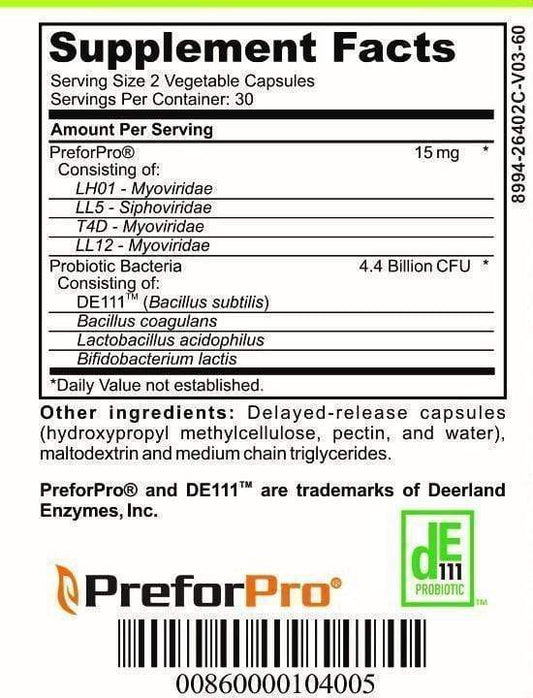
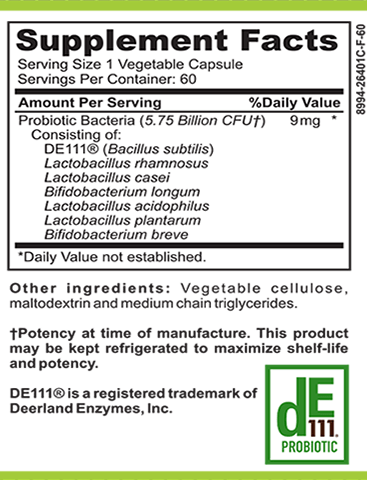
Select probiotics that are specifically formulated for IBS or sensitive digestive systems. Look for options that are FODMAP-friendly and contain strains like Bacillus subtilis and Bifidobacterium lactis.
Gradual Introduction of Probiotics
Start with a lower dose and gradually increase your intake. This helps your gut acclimate without overwhelming it, minimizing gas and discomfort. Monitor how you feel and adjust accordingly.
Dietary Considerations and Adjustments
Adapt your diet to complement your probiotic use. Focus on low-FODMAP foods that are less likely to cause gas. Stay hydrated and incorporate easily digestible foods to support gut health.
Lifestyle Tips for Managing IBS Gas
Implementing lifestyle changes can significantly ease gas symptoms:
- Stay Active: Regular physical activity promotes healthy digestion and helps reduce gas.
- Practice Mindful Eating: Slow down during meals. Chewing food thoroughly can aid digestion and reduce swallowed air.
- Stress Management: Stress can exacerbate IBS symptoms, so practices like yoga, meditation, or deep breathing can be beneficial.
When To Consult a Healthcare Professional
If you experience severe gas, bloating, or other distressing symptoms even though making adjustments, it's essential to consult a healthcare provider. Professionals can recommend tailored probiotic strategies or dietary approaches that cater to your unique needs and health conditions.
Conclusion
Managing gas from probiotics while dealing with IBS doesn't have to be a challenging experience. By taking the time to understand your body's needs, selecting the right probiotics, and implementing dietary and lifestyle adjustments, you can support your gut health effectively.
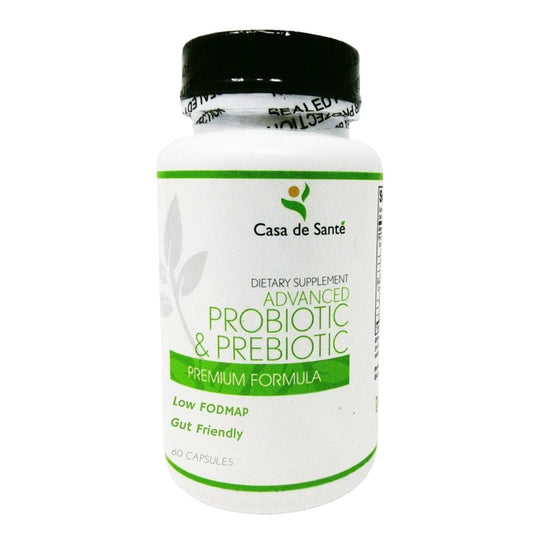
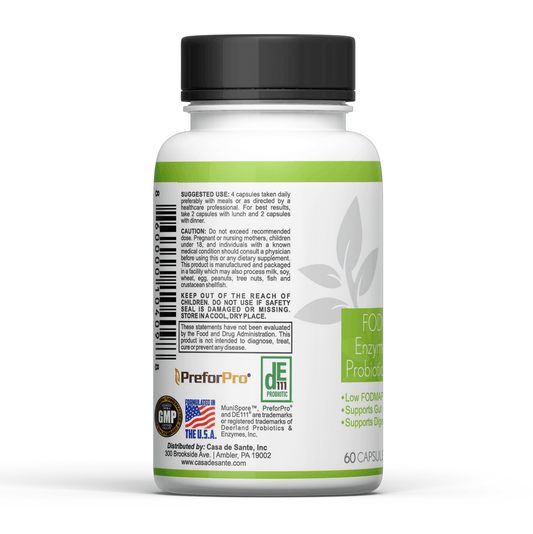
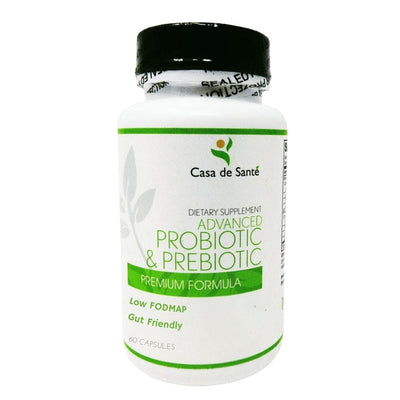
Ready for gentler gut support that actually feels good? Try our Advanced Probiotic & Prebiotic Synbiotic, clinically crafted by Dr Onyx MD PhD with 4.4B CFU including DE111® plus PreforPro® at an ultra-low 15 mg dose for comfort without the bloat. It's Low-FODMAP, Keto- and Paleo-compatible, shelf-stable, and third-party tested, so you can trust every capsule to support balanced digestion, better nutrient absorption, and a resilient gut-brain connection. If fiber-heavy prebiotics have let you down or GLP-1 meds, IBS, or menopause bloat make your days unpredictable this is your gentle daily reset. Tap to add it to your routine and feel the difference where it matters most: your comfort, your energy, your meals.
Key Takeaways
- Choose probiotics specifically formulated for IBS, focusing on FODMAP-friendly strains like Bacillus subtilis and Bifidobacterium lactis to minimize gas.
- Gradually introduce probiotics into your diet, starting with lower doses to help your gut acclimate and reduce discomfort.
- Incorporate low-FODMAP foods into your meals to support probiotic use and decrease gas production.
- Engage in regular physical activity and mindful eating to promote digestion and alleviate IBS-related gas symptoms.
- Consult a healthcare professional if your digestive symptoms persist, to receive personalized probiotic and dietary advice.