Say Goodbye to Bloating: Top Secrets to Reduce Gas After High FODMAP Meals
If you're struggling with gas and bloating after indulging in high FODMAP meals, you're not alone. Understanding how to manage these symptoms can transform your dining experience. Here, we'll explore effective strategies to help you enjoy your favorite foods without the discomfort that often follows.
Understanding FODMAPs and Gas Production
FODMAPs, or Fermentable Oligosaccharides, Disaccharides, Monosaccharides, and Polyols, are short-chain carbohydrates that can be poorly absorbed in the small intestine. When these sugars reach the gut, they are fermented by bacteria, leading to the production of gas. This gas can accumulate, resulting in bloating, discomfort, and in some cases, even abdominal pain.
Recognizing your body's response to FODMAPs is crucial. For individuals with irritable bowel syndrome (IBS) or sensitive stomachs, consuming high FODMAP foods can mean discomfort for hours. Identifying and understanding these foods will empower you to make better dietary choices.
Common High FODMAP Foods to Avoid
If you're looking to minimize gas, it's essential to know which foods are high in FODMAPs. Here are some common culprits to be cautious of:
- Fruits: Apples, pears, cherries, and watermelon
- Vegetables: Onions, garlic, cauliflower, and asparagus
- Dairy: Milk, yogurt, and soft cheeses (due to lactose)
- Legumes: Lentils, chickpeas, and kidney beans
- Sweeteners: Honey, high-fructose corn syrup, and sugar alcohols (like sorbitol and mannitol)
Understanding which foods trigger your symptoms can help you make more informed choices, reducing the likelihood of discomfort after meals.
Tips for Reducing Gas After High FODMAP Meals
If you've already indulged in a high FODMAP meal, there are several strategies you can employ to mitigate gas and bloating:
- Stay Hydrated: Drinking water can help move food through your digestive system and may alleviate bloating.
- Gentle Movement: A light walk after eating can stimulate digestion and help disperse gas.
- Mindful Eating: Eating slowly and chewing thoroughly can reduce the amount of air swallowed, often leading to less gas.
- Avoid Carbonated Drinks: These beverages can contribute to gas production and should be avoided post-meal.
Home Remedies for Gas Relief
Plus to proactive measures, certain home remedies can provide relief after a high FODMAP meal:
- Peppermint Tea: Known for its soothing properties, peppermint can help relax the digestive tract.
- Ginger: Consuming ginger tea or candied ginger can aid digestion and help alleviate bloating.
- Warm Compress: Applying a warm compress to your abdomen can help ease discomfort and promote relaxation of digestive muscles.
When to Consult a Healthcare Professional
While occasional gas and bloating are common, if you experience these symptoms frequently or if they are severe, it's advisable to consult with a healthcare professional. Persistent bloating can signal an underlying condition such as IBS, food intolerances, or other gastrointestinal issues. A healthcare provider can guide you through dietary changes and may suggest testing to identify specific triggers.
Conclusion
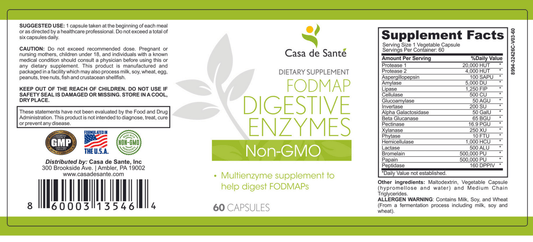
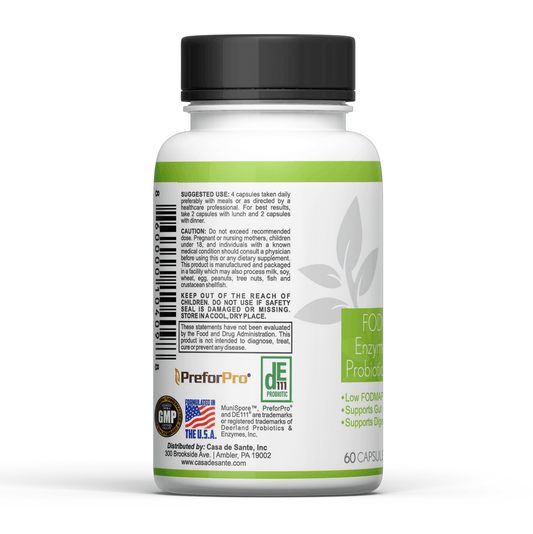
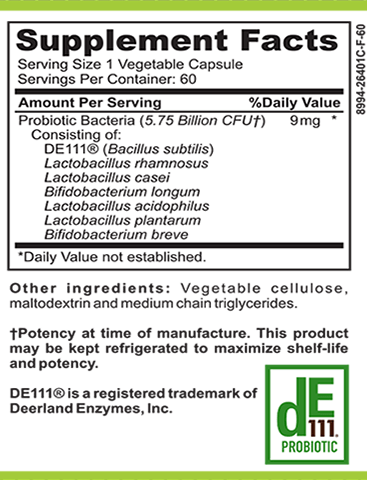
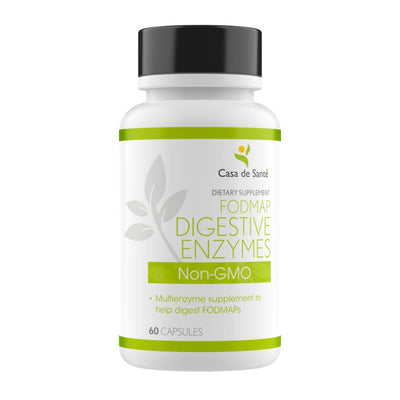
Living with the effects of high FODMAP meals doesn't have to be a burden. By understanding the foods that contribute to gas and employing strategies to reduce symptoms, you can reclaim your dining experience. If you enjoy your favorite foods again, without the bloat, consider trying Casa de Sante's FODMAP Digestive Enzymes. This solution can help you manage your digestion and feel confident about what you eat.
Unlock your food freedom and relax after meals. Shop here:Casa de Sante's FODMAP Digestive Enzymes.
Key Takeaways
- Identifying high FODMAP foods, such as apples and onions, is essential for managing gas and bloating after meals.
- Hydrating and engaging in gentle movement can help alleviate discomfort from gas post high FODMAP meals.
- Mindful eating practices, including eating slowly, can significantly reduce gas production.
- Home remedies like peppermint tea and ginger are effective for relieving gas and bloating after consuming high FODMAP foods.
- Consulting a healthcare professional is recommended if gas and bloating persist or are severe, as it may indicate underlying issues.