Protein Powder Causes Bloating: What To Use For Sensitive Digestion
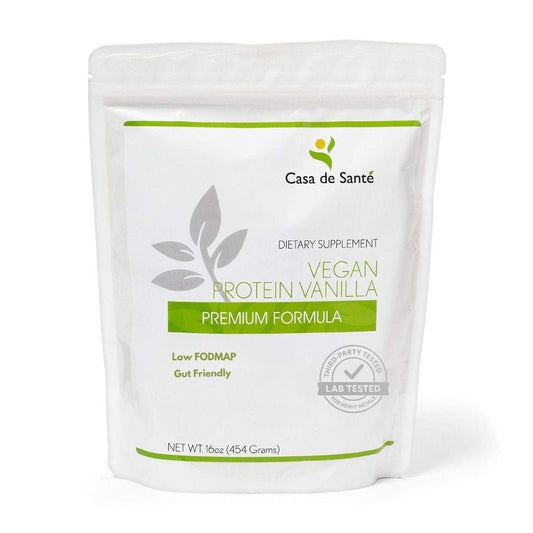
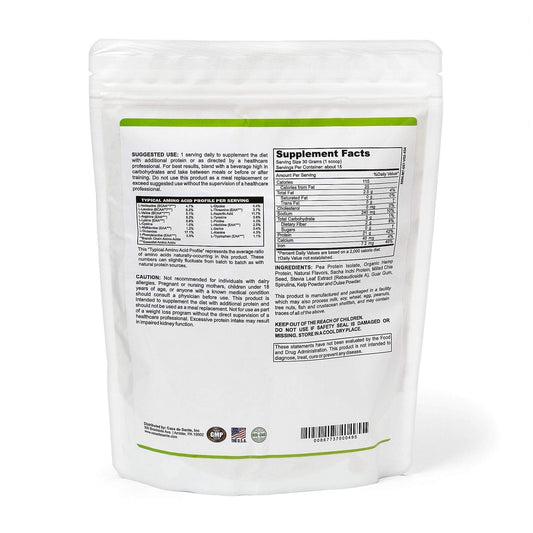
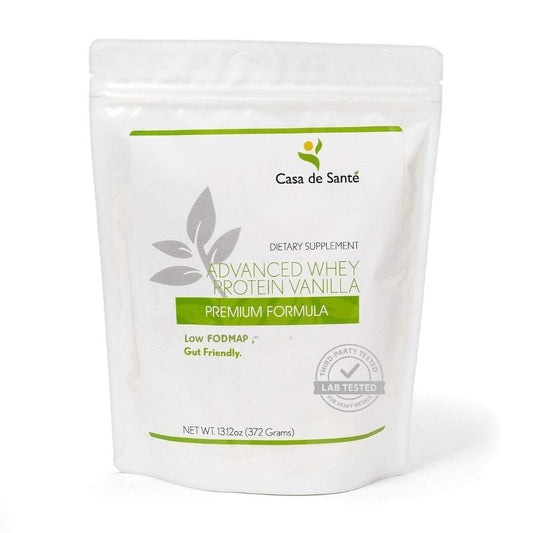
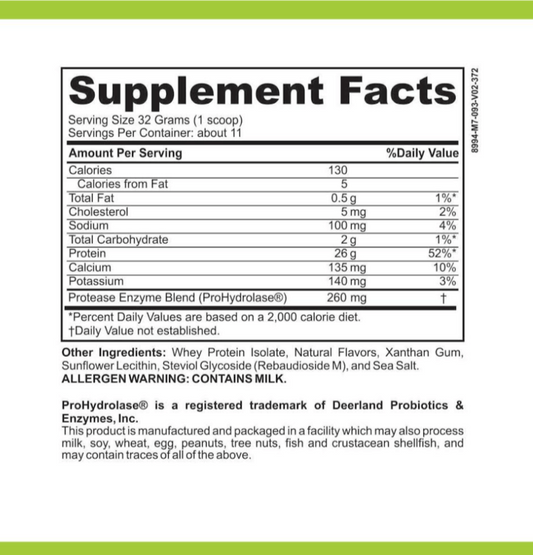
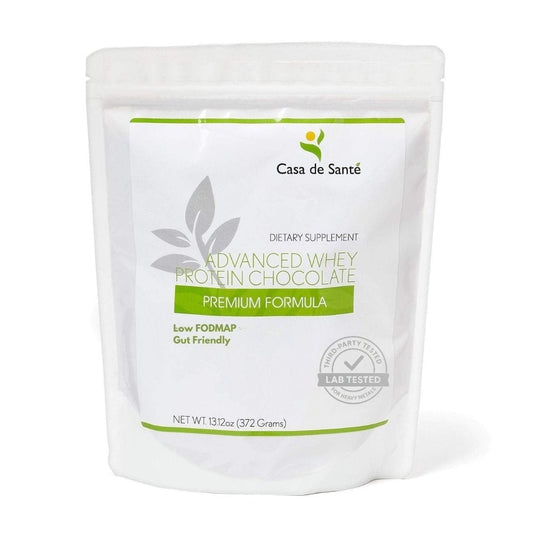
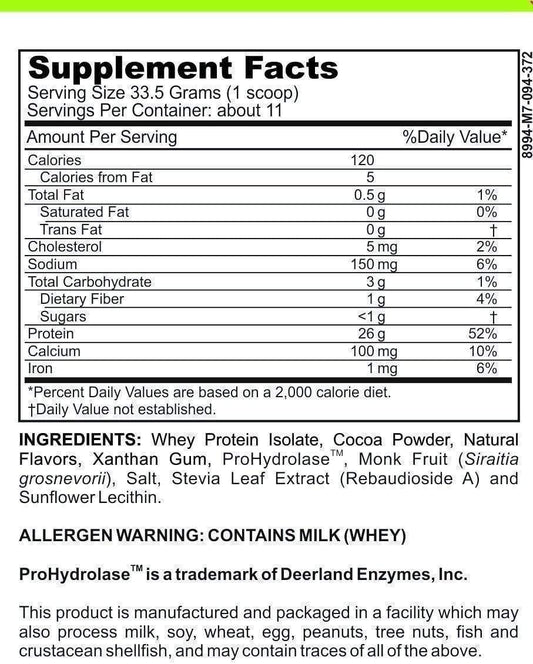
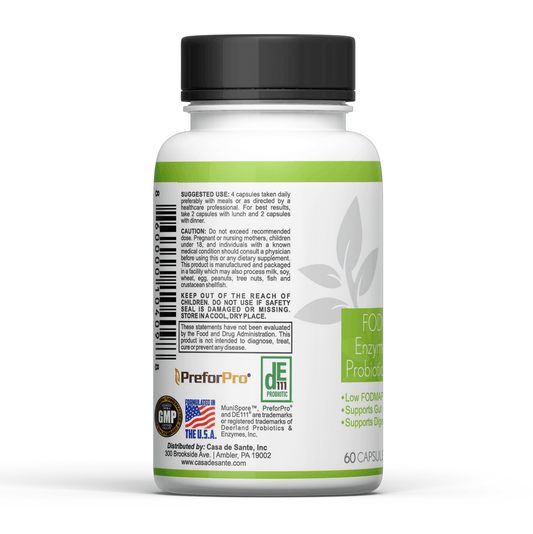
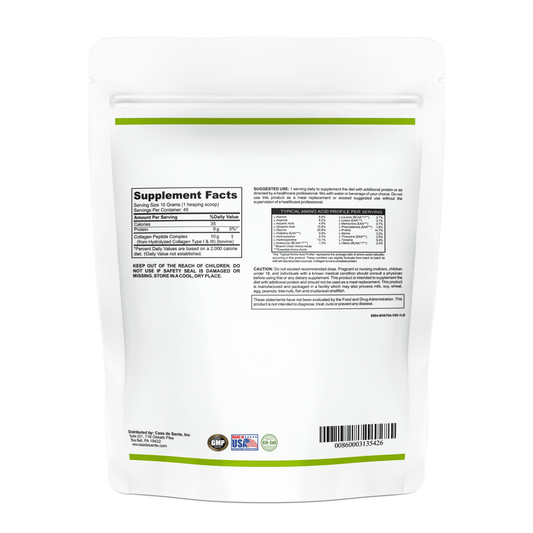
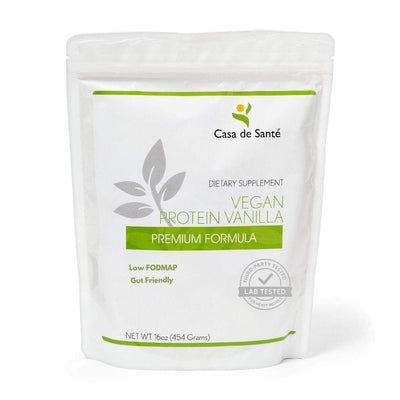
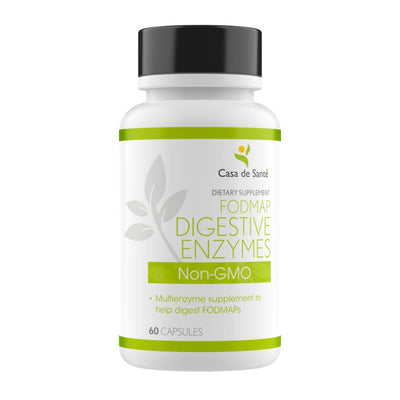
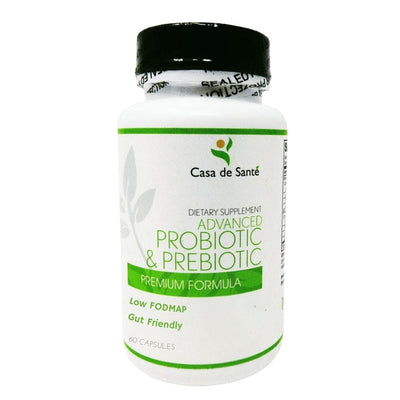
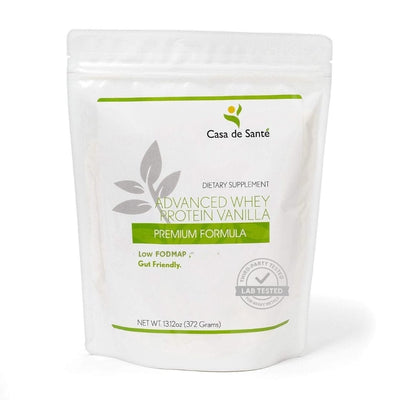
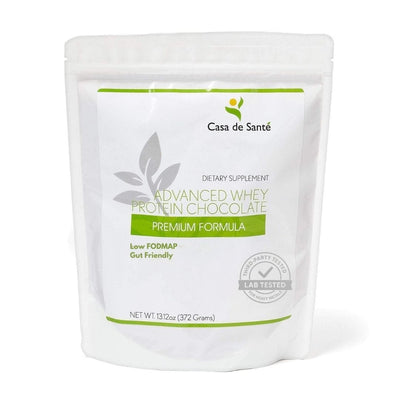
If you've ever experienced discomfort after a protein shake, you're not alone. Many people with sensitive digestion find that protein powders can trigger bloating and discomfort. Casa De Sante Low-FODMAP Protein Powder is an excellent option highlighted for its gut-friendly properties, designed specifically for individuals with sensitive stomachs. This article will explore the causes of bloating from protein powders and provide solutions tailored for gentle digestion.
Understanding Protein Powder and Bloating
Bloating is a common complaint among users of protein powders, often characterized by a feeling of abdominal fullness, gas, or distension. This issue is frequently reported after consuming whey- or casein-based products, as well as highly processed protein blends. Understanding how protein powders interact with your body can help you make better choices and avoid discomfort.
Common Causes of Bloating From Protein Powder
Protein powders can cause bloating for several reasons. Here are some common culprits:
- Lactose Intolerance: Many whey and casein powders contain lactose, which can lead to bloating for those who are intolerant.
- Sugar Alcohols and Artificial Sweeteners: Ingredients like sorbitol can ferment in the gut, leading to gas.
- Gums and Fillers: Additives such as xanthan gum and carrageenan can be hard for some people to digest.
- Large Doses: Consuming 25–30 grams quickly may slow gastric emptying and overwhelm the gut.
- Fermentable Fibers: Plant proteins can also contain fibers from legumes and grains that increase gas production.
Choosing the Right Protein Powder for Sensitive Digestion
For those with sensitive digestion, selecting the right protein powder can be crucial. Here are some guidelines:
- Opt for Whey Isolate or Lactose-Free Options: These are typically milder on the stomach.
- Choose Single-Source Plant Proteins: Look for pea, rice, or hemp proteins that have simple ingredient lists.
- Avoid Sugar Alcohols and Heavy Gums: Keep your powder free from unnecessary additives.
- Look for Gut-Friendly Sweeteners: Stevia and monk fruit are preferable alternatives.
Best Alternatives to Traditional Protein Powders
If traditional protein powders are giving you trouble, consider these alternatives:
- Food-Based Proteins: Incorporate whole foods like eggs, poultry, tofu, and Greek-style lactose-free yogurt into your diet.
- Minimal-Ingridient Plant Powders: Organic pea, brown rice, and hemp proteins with few ingredients are often easier to digest.
- Collagen: Generally low in lactose and easy to digest, collagen isn't a complete protein but can be beneficial.
Tips for Reducing Bloating With Protein Supplements
To help alleviate bloating from protein supplements, consider these practical tips:
- Start with Half Servings: Gradually increase your intake to allow your gut to adapt.
- Sip Slowly: Instead of gulping down your shake, take your time to reduce swallowed air.
- Distribute Protein Intake: Spread your protein consumption throughout the day rather than having one large shake.
- Stay Hydrated and Eat Fiber: Ensuring you drink enough water and consume fiber-rich foods can aid digestion.
When To Consult a Healthcare Professional
If you experience persistent or severe bloating, abdominal pain, diarrhea, or weight loss, it's important to consult a healthcare professional. This is especially crucial if you have known gastrointestinal conditions like IBS, IBD, or suspected lactose intolerance.
Conclusion
Navigating the world of protein powders can be tricky for those with sensitive digestion. Choosing the right product, such as Casa De Sante Low-FODMAP Protein Powder, can make a significant difference. With its gut-friendly ingredients and thoughtful formulation, it presents an excellent solution for anyone struggling with bloating after protein supplements. Ready to try it? Shop Casa De Sante Low-FODMAP Protein Powders.