Is There Lead in Orgain Protein Powder? What You’re Not Being Told (And a Safer Alternative)
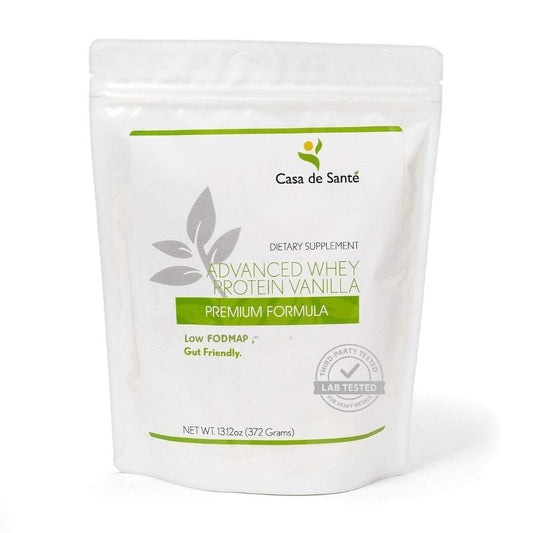
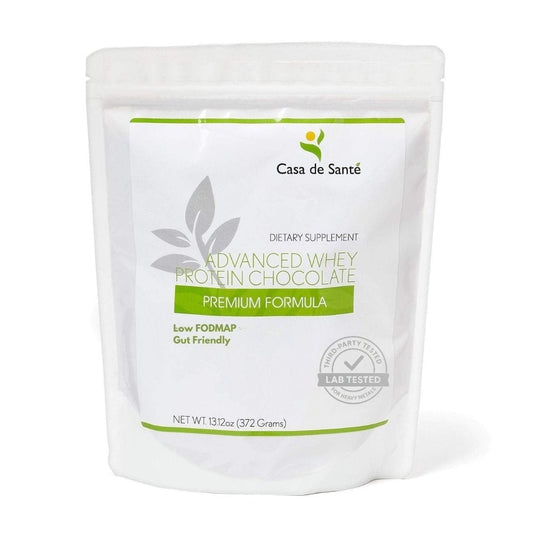
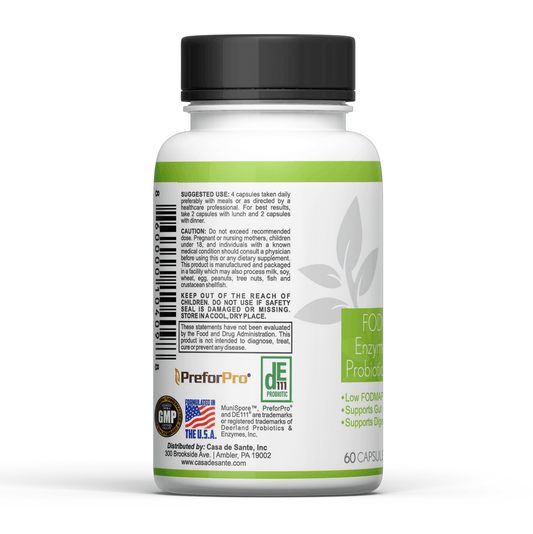
You want a protein powder that's clean, effective, and most importantly, safe. That's why Casa De Sante Low-FODMAP Protein Powder is in the spotlight: this gut-friendly, IBS-friendly formula is not only low-FODMAP, it's independently lab-verified for ultra-low heavy metals, including lead. We're breaking down what's really in Orgain, what the latest testing shows, and why third-party results matter if you care about your health.
Understanding Heavy Metals in Protein Powders
Protein powders seem like a simple health boost, but the truth is, many contain trace heavy metals, lead, cadmium, arsenic, and mercury among the top culprits. How do they get there? It's mostly from the environment: plants absorb metals from soil and water, and animal-derived proteins may be exposed via animal feed or processing.
The real concern? Chronic, low-level exposure over time. Even tiny amounts of heavy metals, if consumed daily, can add up, and the effects on your health aren't always obvious right away.
Consumer Reports and scientific studies shine a light on this problem. That's why you'll see experts referencing standards like ~0.5–0.56 micrograms (mcg) of lead per serving/day, anything above this makes health-minded consumers pause. So if you're scooping powder into your shakes on the regular, knowing exactly what you're putting into your body is non-negotiable.
Lead in Orgain Protein Powder: What We Know
Let's get specific: does Orgain protein powder contain lead? Orgain, like many protein powders (especially plant-based blends), has been cited in independent lab tests and media reports, including Consumer Reports' 2023 update, for containing measurable levels of lead, sometimes in the ballpark of or above the ~0.5 mcg/serving threshold.
- Typical findings: Lab assessments often show plant-based Orgain blends testing at levels around or even exceeding this daily-friendly limit. Whey-based Orgain products have fared somewhat better, but lead presence is nearly always detectable at trace levels.
- Why is this allowed? The FDA sets an interim reference level (IRL) for lead in food at 3.0 mcg/day for adults, which is a much higher bar than Consumer Reports' stricter cut-off. Orgain and other brands generally fall under this limit, but some health professionals argue for tighter standards, especially for sensitive populations.
To really know what you're getting, you'd want to see each batch's independent Certificate of Analysis (COA). But for Orgain, these aren't always readily available or easy to interpret for everyday consumers.
Health Risks Associated With Lead Exposure
You'd never knowingly add a sprinkle of lead to your smoothie, but what exactly are the risks at these "trace" levels?
- Cumulative burden: Lead builds up in the body, impacting every organ. Children, pregnant women, and anyone with chronic health conditions are at higher risk.
- Even low-dose exposure can:
- Harm cognitive development (especially in kids)
- Impair kidney and cardiovascular function
- Contribute to fatigue, headaches, mood issues, and more
No amount of lead is considered truly safe, for that reason, informed consumers look for products that push levels as close to zero as possible. Transparency, batch testing, and ultra-low verified numbers are key.
How Does Orgain Address Lead Concerns?
Orgain's response typically stresses that their products remain under the FDA's limit for lead and other heavy metals, an important point. But, FDA guidelines are widely considered outdated and too lax for daily-use supplements. Orgain posts occasional third-party tests and statements, but batch-level transparency isn't always clear or consistent.
They also remind consumers that heavy metals are basically unavoidable in all plant-based foods. While technically true, some brands go much further:
- Proactive ingredient sourcing
- Rigorous batch testing and publishing of COAs
- Formulating to keep lead consistently ultra-low, well below Consumer Reports' recommendation
That's where the standout, gut-friendly option comes in, Casa De Sante Low-FODMAP Protein Powder.
SIDEBAR: Why Casa De Sante Is Different
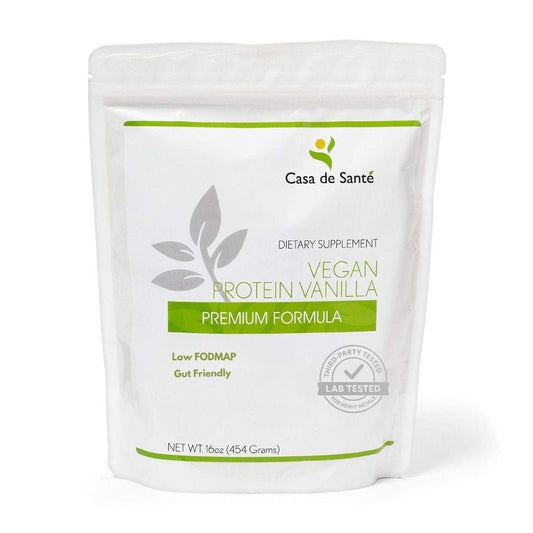
Casa De Sante Low-FODMAP Protein Powders:
- Independently lab-verified
- Daily-friendly lead levels (see below)
- Full batch transparency, see COA for all details
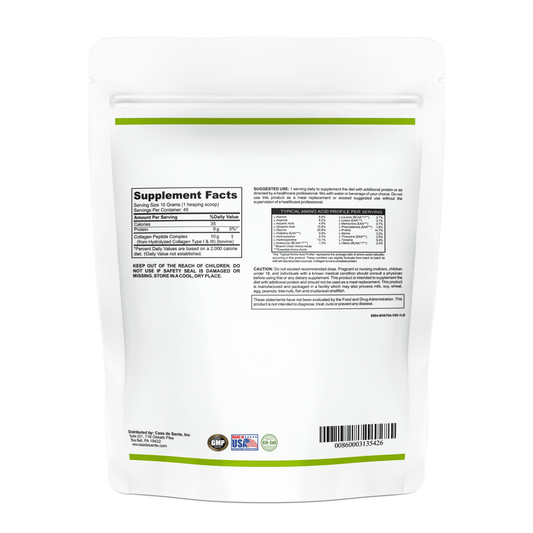
- Clean Collagen: 0.010 mcg
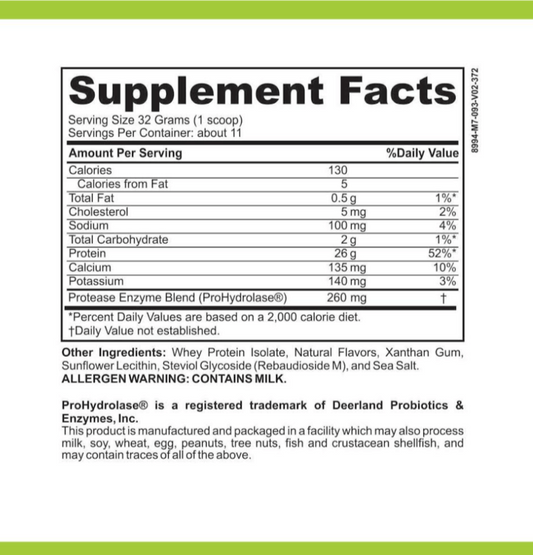
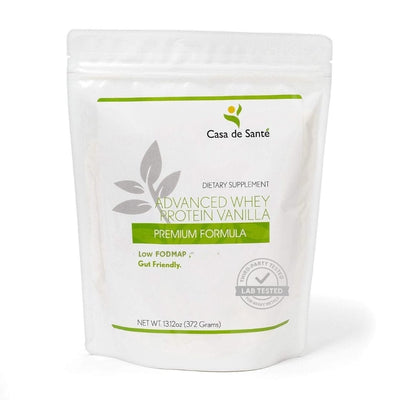
- Whey 26 Advanced Vanilla: 0.131 mcg
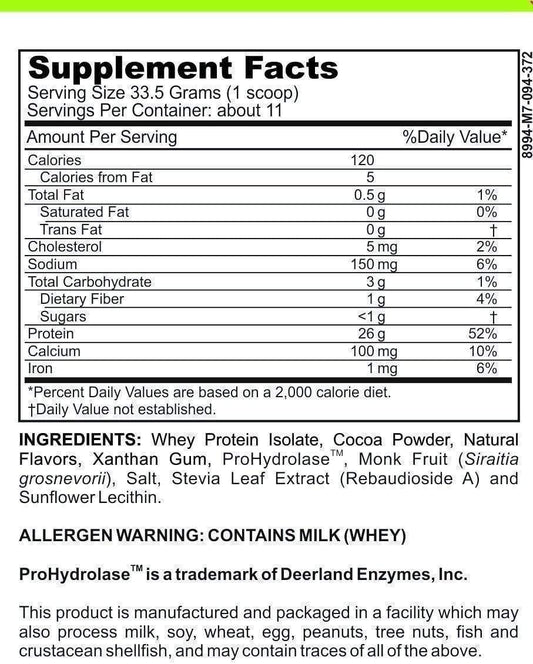
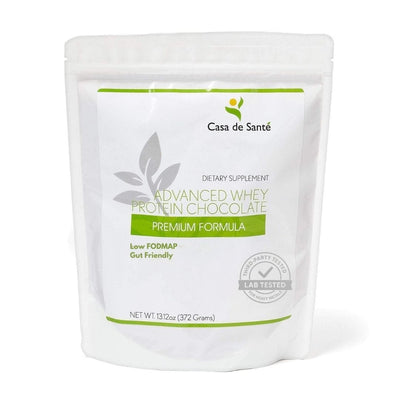
- Whey 26 Advanced Chocolate: 0.560 mcg
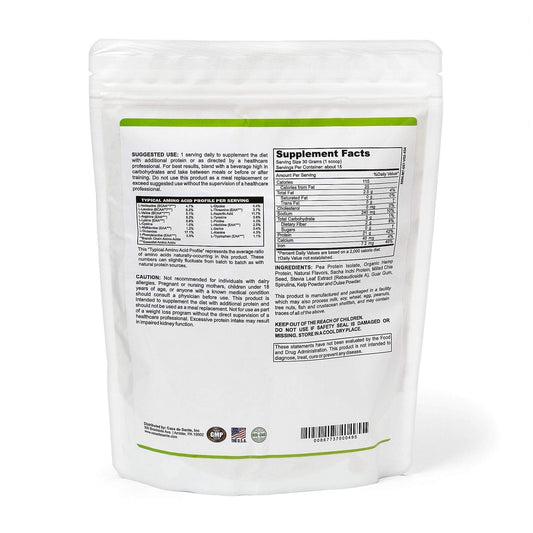
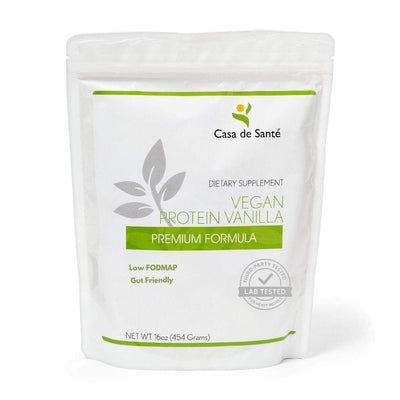
- Vegan Protein Vanilla: ≈ 1.20 mcg (still below FDA IRL)
All Casa De Sante Low-FODMAP Protein Powders are independently lab-tested, daily-friendly, and remain well within FDA limits, even for the most sensitive users.
Ready to try it? Shop Casa De Sante Low-FODMAP Protein Powders: https://casadesante.com/collections/protein-powders
Comparing Orgain to Other Protein Powders
Let's stack Orgain up against the competition, because, honestly, not all proteins are created equal when it comes to heavy metal safety.
- Orgain:
- Plant-based blends: Often at or above Consumer Reports' limit (~0.5–0.56 mcg lead/serving)
- Whey-based blends: Generally under, but traceable lead present
- Lab transparency: Some results available but not on every batch
- Generic supermarket brands:
- Often offer less transparency and higher variance in heavy metals
- Cheaper, but usually at the cost of less oversight
- Premium, ultra-pure options (like Casa De Sante):
- Consistent third-party COA
- Clean Collagen: 0.010 mcg: Whey Vanilla: 0.131 mcg: Whey Chocolate: 0.560 mcg (right at the Consumer Reports' limit but way below FDA): Vegan Vanilla: ≈ 1.20 mcg
- Batch-level transparency and gut-friendly for sensitive users
Summarizing: If you're looking for a protein powder you can take every single day without wondering about the long-term impact, Casa De Sante Low-FODMAP Protein Powder sets a whole new bar for safety, purity, and digestive comfort.
How to Choose a Safe Protein Supplement
With so many options out there, how do you confidently pick a protein powder that's not just effective but actually safe?
Here's a practical checklist:
- Demand third-party testing. Look for a recent, batch-specific Certificate of Analysis (COA). If a brand can't supply this, hit pause.
- Scrutinize lead content. Use the Consumer Reports' benchmark: aim for products with under 0.5–0.56 mcg lead per serving (or as close as possible).
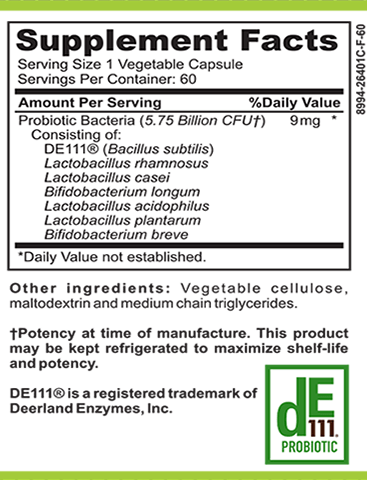
- Assess for allergens and digestion. For sensitive stomachs or anyone with IBS, a gut-friendly, Low-FODMAP, and clean formula like Casa De Sante's offers tremendous peace of mind.
- Investigate transparency. Is the brand open about its ingredient sourcing, heavy metal protocols, and results?
- Check real-world experiences. Read feedback, reviews, and look for products developed by and for people who actually use them.
Choosing a supplement for daily use is about much more than flavor or protein count, your long-term health depends on what's below the surface. Casa De Sante Low-FODMAP Protein Powder stands out for its relentless commitment to quality and transparency, setting the gold standard for safe, clean nutrition.
Conclusion
Navigating the world of protein powders shouldn't mean compromising on safety, especially if you're focused on gut health and clean living. While Orgain protein powder does contain trace levels of lead (like most competitors), knowing exactly what's in your scoop is crucial for your peace of mind.
Casa De Sante Low-FODMAP Protein Powder isn't just another clean label, it's a rigorously vetted, gut-friendly solution for anyone who wants effective, safe, and low-heavy-metal supplementation every single day.
Ready to try it? Shop Casa De Sante Low-FODMAP Protein Powders: https://casadesante.com/collections/protein-powders
Choose purity. Choose transparency. Choose a protein that's as committed to your health as you are.
Key Takeaways
- Orgain protein powder contains traceable levels of lead, with plant-based blends often at or above the recommended 0.5–0.56 mcg/serving limit.
- Chronic exposure to even small amounts of lead in protein powders can pose health risks, especially for sensitive groups such as children and pregnant women.
- FDA lead limits for supplements are higher than Consumer Reports' guidelines, but many consumers prefer stricter standards for daily products like Orgain protein powder.
- Casa De Sante Low-FODMAP Protein Powders set themselves apart by offering independently verified ultra-low lead levels and full transparency for each batch.
- When choosing a protein powder, always look for third-party testing, batch-specific Certificates of Analysis, and brands transparent about heavy metal content.
- Prioritizing gut-friendly, low-heavy-metal options like Casa De Sante leads to safer daily supplementation and greater peace of mind.