FODMAP Digestive Enzymes vs Probiotics for Bloating: What’s Best for You?
Bloated again? You're not alone. For many people, that uncomfortable feeling comes from foods your gut struggles to handle or an off-balance gut microbiome. There's tons of buzz around FODMAP digestive enzymes and probiotics as solutions, but which one actually tackles bloat for you? Let's break down the science, so you can eat (and live) more comfortably.
Understanding Bloating and Gut Health
Bloating is more than just a tight waistline after a big meal. It's often tied to how your body digests certain foods, the health of your gut bacteria, and how efficiently your digestive system absorbs nutrients. Think of your gut as a finely tuned engine, when it's running smoothly, you hardly notice it. But introduce poorly digested carbs, like FODMAPs, or throw your gut bacteria out of balance, and the gas builds up fast.
Imbalances in the gut don't just cause bloating. They can leave you sluggish, uncomfortable, and even affect your mood. That's why finding the right digestive support is about more than beating bloat, it's about getting your gut back on track.
What Are FODMAP Digestive Enzymes?
FODMAP digestive enzymes are targeted supplements designed to help you break down notoriously tricky carbohydrates, FODMAPs (Fermentable Oligosaccharides, Disaccharides, Monosaccharides, and Polyols). If your gut doesn't produce enough of the right enzymes, these carbs pass into your colon undigested. There, gut bacteria feast on them, producing gas and that all-too-familiar bloat.
How FODMAP Enzymes Work
These specialized enzymes do what your body sometimes can't: they dismantle problem carbs before they cause trouble. When you take FODMAP digestive enzymes with a meal, they go to work in your gut, breaking down FODMAPs into smaller, more digestible pieces. That means less food for your bacteria to ferment, less gas, and less bloating. Some enzymes specifically target types of FODMAPs, whether it's galacto-oligosaccharides in beans or lactose in dairy.
Common Types of FODMAP Enzymes
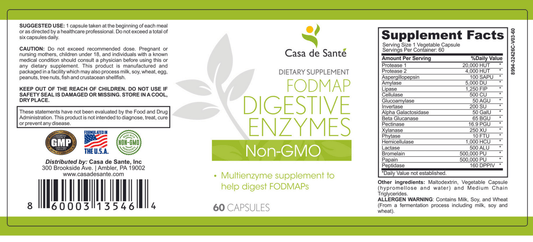
- Alpha-galactosidase: The go-to for breaking down beans, lentils, and certain veggies. (If you've heard of Beano, that's the hero ingredient making it work.)
- Lactase: For anyone who can't handle ice cream or cheese without discomfort, this enzyme tackles lactose, the sugar in dairy, making treats much more enjoyable.
Advanced formulas can contain a wider blend, giving broad support to help you comfortably eat a variety of foods.
What Are Probiotics?
Probiotics are live, beneficial bacteria that support your gut's natural ecosystem, a bit like adding friendly reinforcements to your digestive army. The human gut is home to trillions of bacteria. When the good ones are outnumbered by the bad (a situation called dysbiosis), you can experience all kinds of digestive woes, including, you guessed it, bloating.
How Probiotics Support Digestion
Probiotics bring several benefits to your gut health:
- They crowd out harmful bacteria, helping to maintain a balanced microbiome.
- By supporting the gut barrier, they help prevent toxins and undigested food from causing inflammation.
- Some strains can interact with your immune system, quieting gut irritability.
- They even help your body extract more nutrients from your food.
All in all, a healthy population of probiotics in your gut helps digestion run more smoothly, and regular use can bring down bloat over the long term.
Different Types of Probiotics for Gut Health
Not all probiotics are created equal, and some strains have been especially well-studied for their digestive benefits:
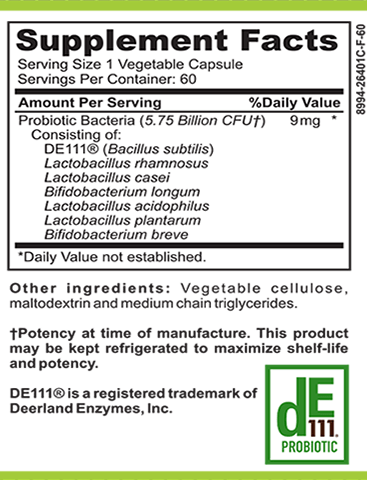
- Lactobacillus acidophilus: Often found in yogurt, helps reduce gas and improve lactose digestion.
- Bifidobacterium bifidum & Bifidobacterium lactis: These are stars in promoting regularity and cutting down on bloating. Clinical trials show that, with consistent use, these strains can noticeably relieve bloat, especially in those with IBS.
Comparing Effectiveness: FODMAP Enzymes vs Probiotics
So which one actually works faster on bloating? It depends on the source of your discomfort.
Situations Where FODMAP Enzymes Work Best
FODMAP enzymes are the go-to when bloating hits after eating foods that are tough for your body to break down, think beans, apples, onions, wheat, or dairy (if you're lactose intolerant). If specific meals seem to trigger your symptoms, enzymes can make a dramatic difference. They break down carbs that would otherwise ferment and cause gas, so you can enjoy your favorite foods with fewer digestive worries.
- Best for:
- Those with FODMAP sensitivities
- Lactose intolerance
- Diagnosed enzyme deficiencies
When Probiotics Might Be More Beneficial
Probiotics are ideal if your bloat is more chronic, or you've noticed changes after antibiotics or ongoing gut issues. Instead of acting on one meal, they work to shift your gut microbiome over time, building a stronger, more balanced digestive environment. This can mean less bloat overall and fewer stomach upsets in the long run.
- Best for:
- Chronic imbalance in gut bacteria (dysbiosis)
- Supporting gut recovery after antibiotics
- Ongoing bloating linked to IBS or frequent digestive issues
How to Choose the Right Option for Bloating
For some, the answer is easy. If you know dairy or certain high-FODMAP foods give you instant trouble, enzymes can be a game-changer. But if your bloating is unpredictable, tied to stress, or comes after a round of antibiotics, probiotics might be a better fit.
Factors to Consider Before Deciding
- Your typical trigger foods: Is it a certain meal or an overall gut imbalance?
- History of antibiotics or gut infections
- Any diagnosed intolerances or enzyme deficiencies
- Underlying health conditions
- Safety needs: If you have a compromised immune system, talk with your doctor before starting probiotics.
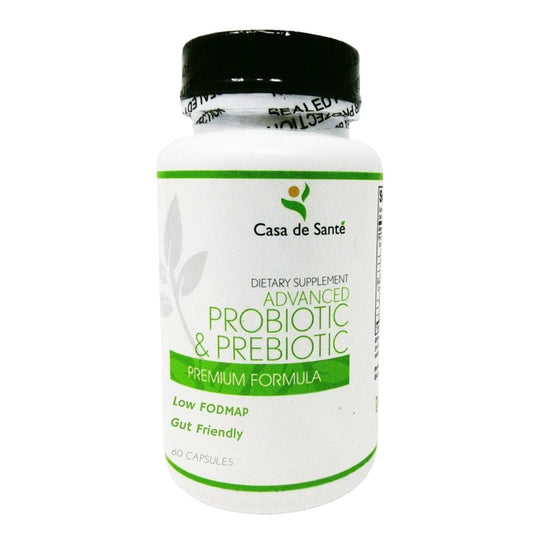
- Combination approach: Some people get the best results by combining enzymes at meals with a daily probiotic to support long-term gut function.
Still unsure? Consulting a healthcare professional can help pinpoint what's really driving your bloating, and which supplement is safest and most effective for you.
Potential Risks and Side Effects
- Digestive enzymes: Rare side effects include mild GI upset or allergic reaction.
- Probiotics: Most people tolerate them well, but a few may experience temporary gas. Immunocompromised folks should be extra cautious and seek medical advice first.
As with any supplement, quality and sourcing matter, stick to reputable brands and third-party tested products for safety and results.
Conclusion
So, are FODMAP digestive enzymes or probiotics your bloating fix? The real answer lies in what's causing your symptoms. Enzymes offer quick mealtime relief when certain foods are the culprit, while probiotics work behind the scenes to keep your gut balanced for the long haul. You might even find your best results by using both strategically.
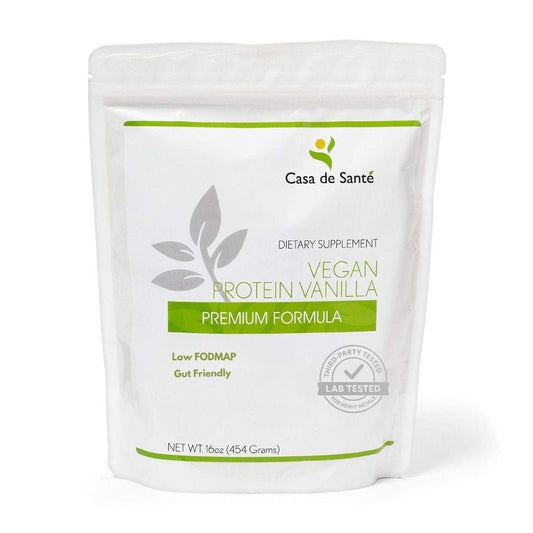
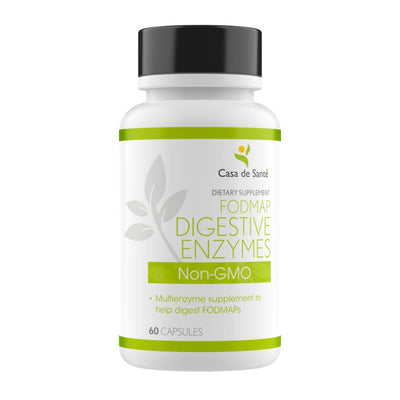
Enjoy your favorite foods again, without the bloat. FODMAP Digestive Enzymes formulated by Dr Onyx MD PhD, is an advanced 18-enzyme complex that breaks down even the toughest foods for fast and gentle relief from bloating and gas. Feel light, comfortable, and confident after every meal. Unlock Your Food Freedom with FODMAP Digestive Enzymes: https://casadesante.com/products/fodmap-digestive-enzymes
Take charge of your gut, so you can get back to living (and eating) on your own terms.
Key Takeaways
- FODMAP digestive enzymes provide quick relief from bloating caused by specific foods like beans, dairy, or high-FODMAP ingredients.
- Probiotics help reduce chronic bloating by supporting a balanced gut microbiome and are especially useful after antibiotics or with long-term digestive issues.
- Choosing between FODMAP digestive enzymes vs probiotics depends on whether your bloating is triggered by certain foods or by ongoing gut imbalance.
- A combination of FODMAP digestive enzymes at meals and daily probiotics may offer the most comprehensive digestive support for bloating.
- Always consult a healthcare professional before starting any supplement, and choose reputable, quality-tested products for best results.
Frequently Asked Questions about FODMAP Digestive Enzymes vs Probiotics for Bloating
What is the difference between FODMAP digestive enzymes and probiotics for bloating?
FODMAP digestive enzymes help break down hard-to-digest carbs that can trigger bloating right after eating certain foods. Probiotics, on the other hand, restore balance to gut bacteria, addressing chronic or ongoing bloating issues by supporting overall gut health.
When should I use FODMAP digestive enzymes to reduce bloating?
Use FODMAP digestive enzymes if you're bloated after consuming foods like beans, dairy, onions, or wheat—especially if you have known FODMAP sensitivities or lactose intolerance. They provide quick, targeted relief from meal-related discomfort.
Are probiotics or digestive enzymes more effective for long-term bloating relief?
Probiotics may be more effective for long-term relief, especially if bloating is linked to a disrupted microbiome, past antibiotics, or chronic conditions like IBS. They gradually balance your gut bacteria, reducing bloating over time.
Can I take FODMAP digestive enzymes and probiotics together?
Yes, combining FODMAP digestive enzymes and probiotics is safe for many people and can offer both immediate and long-term relief from bloating. Always check with your healthcare provider to ensure this approach fits your health needs.
What are possible side effects of FODMAP digestive enzymes and probiotics?
FODMAP digestive enzymes can rarely cause mild gastrointestinal upset or allergic reactions, while probiotics may cause temporary gas in some people. Individuals with compromised immunity should consult a doctor before taking probiotics.
How do I know if my bloating is due to FODMAPs or gut bacteria imbalance?
If your bloating occurs mainly after eating specific foods, FODMAPs might be the cause. If it’s ongoing, unpredictable, or happens after antibiotics or illness, an imbalance in gut bacteria may be responsible. A healthcare professional can help determine the underlying cause.