FODMAP Digestive Enzymes vs. Peppermint Oil: The Ultimate Showdown for IBS Relief After Holiday Meals
Holiday meals can be a source of joy, but for those with IBS, they often come with unwanted bloating and discomfort. When it comes to managing these symptoms, two popular options on the table are FODMAP digestive enzymes and peppermint oil. This article explores both remedies, comparing their effectiveness in alleviating post-holiday bloating, helping you make an well-informed choice for your digestive health.
Understanding IBS and Bloating
Irritable Bowel Syndrome (IBS) is a common digestive disorder characterized by symptoms such as abdominal pain, bloating, and irregular bowel habits. After indulging in rich holiday meals, many people experience heightened bloating due to the consumption of high-FODMAP foods, such as onions, garlic, and creamy sauces, leading to fermentation in the gut and excess gas production.
Common Causes of Bloating After Holiday Meals
During the holiday season, meals often include a variety of fermentable carbohydrates (FODMAPs), fatty dishes, and sugars. These components can trigger bloating for those with IBS by fermenting in the gut and producing gas. Also, slowed motility and visceral hypersensitivity can exacerbate the feeling of fullness and discomfort, making holiday feasts a potential challenge for those susceptible to digestive issues.
Overview of FODMAP Digestive Enzymes
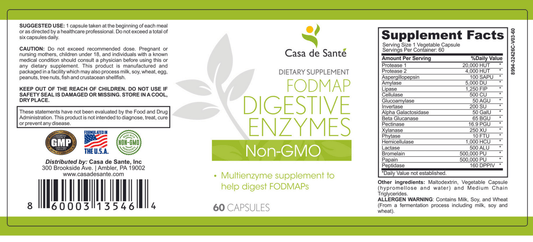
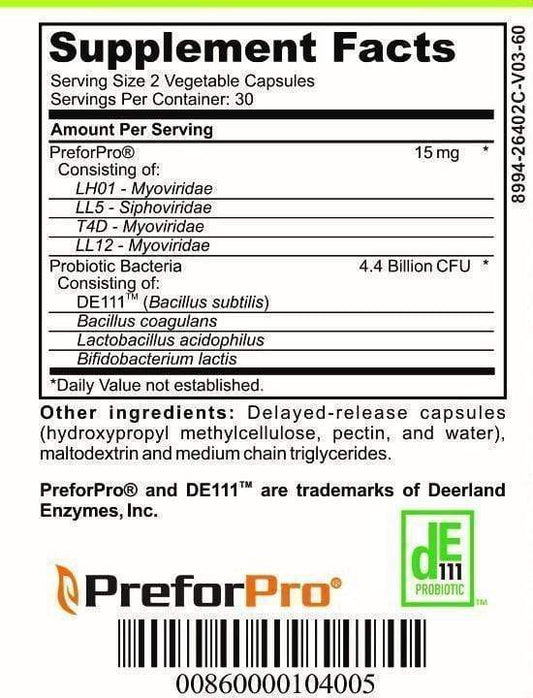
FODMAP digestive enzymes are designed to break down specific carbohydrates that can lead to gas and bloating. Commonly known supplements like alpha-galactosidase (found in products like Beano) target fermentable oligosaccharides and play a role in reducing gas from foods such as beans and certain vegetables. Although direct clinical data on FODMAP digestive enzymes is scarce, they are believed to assist in mitigating symptoms by enhancing digestion and nutrient absorption.
How FODMAP Digestive Enzymes Work
These enzymes hydrolyze undigested FODMAPs before they can ferment in the gut, potentially easing the bloating and discomfort that often follows a high-FODMAP meal. The efficacy of these enzymes may vary depending on the individual and the specific meal consumed.
Benefits and Limitations
While FODMAP enzymes can provide targeted relief for meals laden with troublesome carbs, their benefits aren't universally applicable. Research suggests that their effectiveness is limited to specific strains and they don't directly address the broader range of IBS symptoms individually.
Exploring Peppermint Oil as a Remedy
Peppermint oil, particularly when enteric-coated, has gained attention as a remedy for IBS symptoms, including bloating and abdominal pain. Clinical trials demonstrate that peppermint oil can reduce symptoms more effectively than a placebo, showcasing a noticeable improvement within 24 hours to a few weeks.
Mechanism of Action for Peppermint Oil
Peppermint oil works by relaxing the smooth muscles in the gastrointestinal tract through calcium channel blockade and agonism at TRPM8 and TRPA1 receptors, leading to reduced pain and bloating. Also, its anti-inflammatory and antimicrobial properties may aid in regulating gut motility and enhancing the microbiome.
Pros and Cons of Using Peppermint Oil
The advantages of peppermint oil include its rapid relief of bloating and pain, with studies showing up to a 50% reduction in discomfort. It's generally well-tolerated: but, caution is advised for those predisposed to acid reflux, although enteric coating can help mitigate this risk. Mixed results have been reported across various trials, indicating that some may not experience significant relief.
Comparative Analysis: FODMAP Enzymes vs Peppermint Oil
When comparing FODMAP digestive enzymes and peppermint oil, it is evident that peppermint oil may hold a stronger footing in clinical evidence for alleviating bloating and pain associated with IBS. While enzymes are instrumental in addressing specific meal triggers, peppermint oil provides a broader scope of relief for ongoing IBS symptoms.
Factors to Consider When Choosing a Remedy
Your choice may depend on the nature of your symptoms. If you experience meal-triggered bloating primarily from high-FODMAP foods, digestive enzymes might offer relief. In contrast, for persistent IBS symptoms, peppermint oil (typically 180mg taken 2-3 times daily) could be a more effective option. According to individual health profiles, consulting a healthcare provider should be prioritized.
Personal Experiences and Testimonials
While clinical trials provide valuable insights, personal experiences often highlight the practical benefits of these remedies. Many individuals report rapid relief with peppermint oil, noting that it allows them to enjoy meals with greater confidence. In contrast, those using FODMAP digestive enzymes find them beneficial during specific meals but may not experience overall symptom resolution.
Conclusion
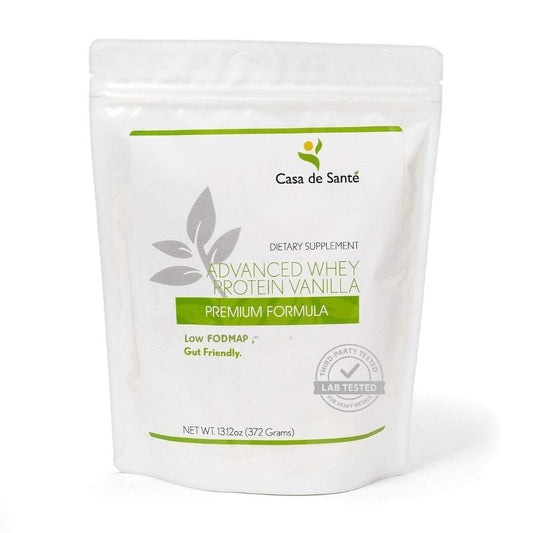
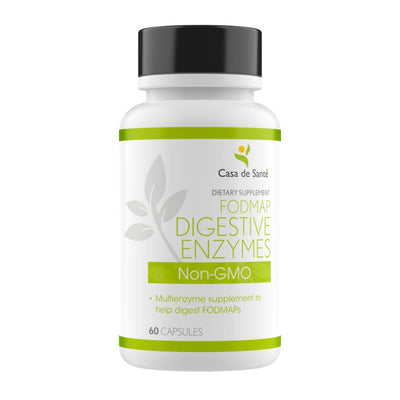
Eventually, both FODMAP digestive enzymes and peppermint oil may serve essential roles in managing bloating and discomfort associated with IBS, particularly after festive meals. While peppermint oil currently edges ahead in clinical backing, the choice between the two should reflect personal symptoms and dietary habits. For those seeking to enjoy holiday indulgences without post-meal discomfort, consider Casa de Sante's FODMAP Digestive Enzymes, designed to support calm, confident digestion. Enjoy your favorite foods again, without the bloat. Shop here for a solution that caters to your digestive health.
Key Takeaways
- FODMAP digestive enzymes can help break down troublesome carbohydrates, potentially reducing bloating after high-FODMAP meals.
- Peppermint oil has demonstrated effectiveness in providing rapid relief for IBS bloating and abdominal pain, often within 24 hours.
- While FODMAP enzymes target specific meal triggers, peppermint oil may offer broader relief for ongoing IBS symptoms.
- Consulting a healthcare provider will help determine whether digestive enzymes or peppermint oil is the best choice based on individual symptoms.
- Personal experiences often highlight peppermint oil's ability to enhance meal enjoyment without the discomfort of bloating.