Eat Without Fear: Proven Ways to Improve Digestion on a Low FODMAP Diet
Struggling with digestive woes even after switching to a low FODMAP diet? You're not alone. For many, going low FODMAP brings much-needed relief from bloating and discomfort, but it doesn't always solve everything. If you want to finally calm your gut and enjoy food again, these expert-backed strategies will put you on the path to confident, comfortable digestion.
Understanding Digestion and the Low FODMAP Diet
If you're living with IBS or pesky digestive symptoms, you've likely heard of the low FODMAP diet. But what's really going on in your gut, and how does this eating plan fit in?
FODMAPs are a group of fermentable carbohydrates found in many everyday foods. When your digestive system can't handle them, they pull water into your gut and are rapidly fermented by bacteria. Cue the gas, cramps, and bloating. The low FODMAP diet was developed to help you avoid these triggers, promoting symptom relief by temporarily removing certain carbs and slowly reintroducing them to see which ones your body can tolerate.
Digestion itself is a complex dance of enzymes, stomach acids, and beneficial bacteria. When you take out FODMAPs, you ease the load, but your system still needs enough support to fully break down your meals, absorb nutrients, and keep your gut flora happy. Mastering this balance is key for real, lasting comfort.
Common Digestive Challenges on a Low FODMAP Diet
Cutting FODMAPs is a huge help for many, but it doesn't magically fix every digestive issue. In fact, some people encounter new challenges after starting this diet, such as:
- Constipation: Lower intake of certain fibers may mean your gut moves slower.
- Insufficient enzyme activity: Complex meals, even if low FODMAP, can still be hard to break down.
- Unbalanced gut microbiome: Removing many prebiotic foods can reduce beneficial bacteria, affecting overall digestive health.
- Nutrient gaps: Over-restriction might make it tougher to get enough vitamins, minerals, or diverse fibers.
If any of these sound familiar, know that you're not alone, and there are practical ways to troubleshoot and overcome each one.
Essential Tips for Enhancing Digestion
Ready to feel better, faster? Here's how to optimize your digestive comfort while following a low FODMAP plan:
1. Prioritize Thorough Chewing and Mindful Eating
It's simple but transformative: Don't rush your meals. Chewing well activates digestive enzymes and preps your gut for incoming food. Try putting your fork down between bites, savoring the textures and flavors.
2. Stay Hydrated, But Time Your Drinks
Drinking water is essential, but big gulps during meals can dilute stomach acids. Sip water throughout the day, reserving large glasses for between meals.
3. Support Your Enzyme Levels
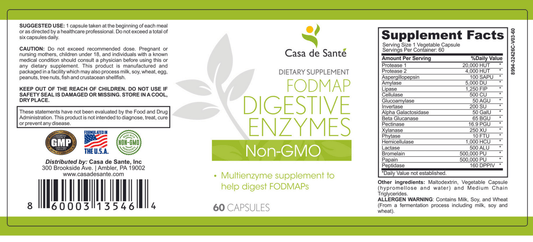
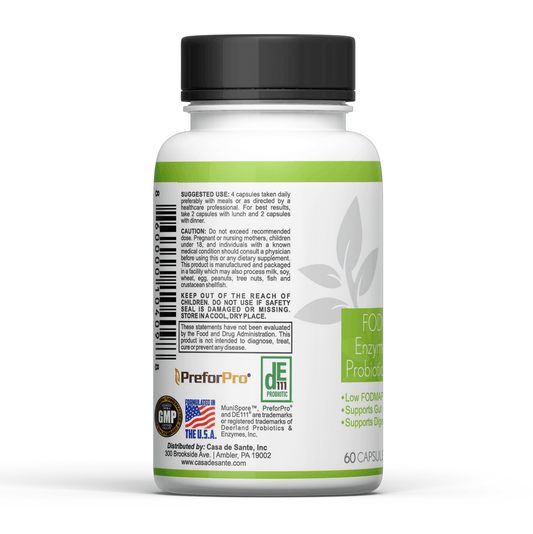
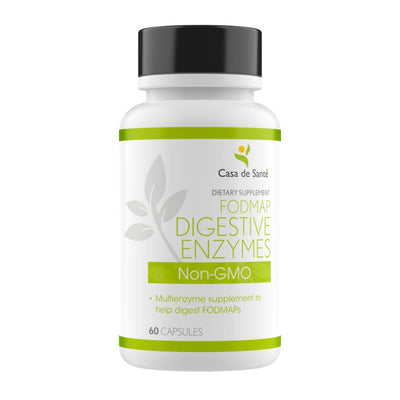
Even with a low FODMAP list, complex or high-protein dishes (think: legumes, dairy, or rich keto meals) can tax your gut. That's where clinically-formulated digestive enzymes come in. Casa de Sante's FODMAP Digestive Enzymes, developed by Dr. Onyx, combine 18 targeted enzymes, DPP-IV, alpha-galactosidase, lactase, and more, to help break down protein, fat, fiber, and FODMAP sugars that other blends might miss. Take a capsule before eating and rediscover what it feels like to eat without fear. Shop here.
Enjoy your favorite foods again, without the bloat.
4. Avoid Overly Restrictive Meal Plans
While strict elimination kickstarts symptom relief, phase two (reintroduction) is crucial for variety and balanced nutrition. Gradually reintroduce FODMAPs under guidance to pinpoint triggers and expand your safe foods.
Smart Food Choices to Support Gut Health
Navigating labels and ingredient lists gets easier once you know your safe swaps. For gut-friendly, low FODMAP meals, keep these tips in mind:
- Choose soluble fibers: Oats, chia seeds, and carrots are less likely to cause issues and help keep things moving.
- Include diverse plant foods: Even within FODMAP limits, variety matters, think small servings of kiwi, spinach, or firm bananas for nourishing phytonutrients.
- Opt for lactose-free dairy: If you crave creamy textures, go for lactose-free milk, hard cheeses, or plant-based alternatives like almond or oat milk.
- Pump up fermented foods: Low FODMAP fermented choices like tempeh or some yogurts (especially lactose-free) feed good bacteria without triggering symptoms.
Rotating your safe foods can support microbiome balance and keep your meals interesting.
Lifestyle Changes for Better Digestion
Digestion isn't just about what you eat, it's also about how you live:
- Lock in a regular meal schedule: Eating at roughly the same times helps maintain gut rhythm and can reduce uncomfortable symptoms.
- Move your body: Gentle walks after meals or regular exercise stimulate intestinal transit and help manage stress.
- Manage stress effectively: Chronic tension can wreak havoc on your gut-brain axis. Meditation, deep breathing, or yoga are proven ways to calm the digestive system.
- Don't ignore sleep: Quality rest is crucial for repair and healthy digestion, aim for 7–9 hours per night.
Sometimes, even tiny tweaks to your day-to-day routine make a big difference.
When to Seek Professional Guidance
If you're still facing stubborn symptoms or feeling overwhelmed by food choices, reach out for extra help. A registered dietitian (ideally one familiar with low FODMAP and IBS) can personalize your plan, assess for hidden triggers, and ensure you're getting everything your body needs.
Don't let embarrassment or uncertainty keep you from support, you deserve to eat with confidence and comfort.
Conclusion
Improving digestion on a low FODMAP diet means more than just following a food list, it's about supporting your gut, making smart choices, and sometimes supplementing with targeted help. Casa de Sante's FODMAP Digestive Enzymes is your go-to solution for calm, confident digestion, whether you're managing IBS, sensitive to FODMAPs, or just want to finally eat without fear. Take back control of your meals and experience what real relief feels like: Shop here.
Key Takeaways
- Chew thoroughly and eat mindfully to support better digestion on a low FODMAP diet.
- Staying hydrated between meals helps maintain digestive function without diluting stomach acids.
- Supplementing with targeted digestive enzymes can ease discomfort and improve breakdown of low FODMAP foods.
- Gradually reintroduce FODMAPs to prevent unnecessary nutrient gaps and expand your safe food options.
- Choose gut-friendly, low FODMAP foods like soluble fibers, lactose-free dairy, and fermented options to nurture your gut microbiome.
- Adopt healthy lifestyle habits—such as regular meals, gentle exercise, stress management, and quality sleep—for optimal digestive health.