Digestive Enzymes vs Probiotics: The Ultimate Showdown for Bloating Relief After Salads
If you've ever felt uncomfortable bloating after enjoying a fresh salad, you're not alone. Many people with FODMAP intolerance struggle with this issue, leading to an ongoing battle between what to eat and how to digest it. In this guide, we'll jump into the differences between digestive enzymes and probiotics, helping you decide which option might be your best ally against bloating and discomfort.
Understanding FODMAP Intolerance
FODMAP intolerance can wreak havoc on your digestive system. The term refers to a group of fermentable carbohydrates found in various foods, including garlic, onions, beans, and wheat. These fermentable sugars become difficult for those with IBS (Irritable Bowel Syndrome) to break down properly, leading to gas, bloating, and other uncomfortable symptoms. Often, salads, which might seem like a healthy choice, contain high-FODMAP foods like onions or certain fibers, making them a trigger for many.
The Role of Diet
Following a low-FODMAP diet can help identify which foods cause your symptoms, but it can also lead to restrictions that limit nutritional variety. Understanding your body's specific FODMAP sensitivities can empower you to make better dietary choices without sacrificing enjoyment.
What Are Digestive Enzymes?
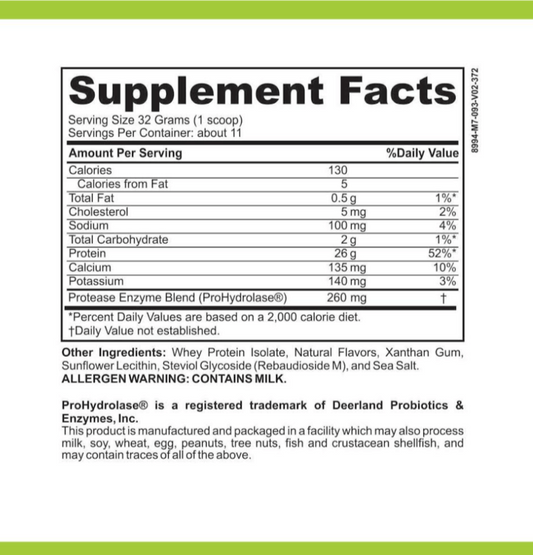
Digestive enzymes are proteins that help break down the food you consume into absorbable nutrients. Among these, you'll find enzymes like lipase for fats, protease for proteins, and amylase for carbohydrates.
How Digestive Enzymes Aid Digestion
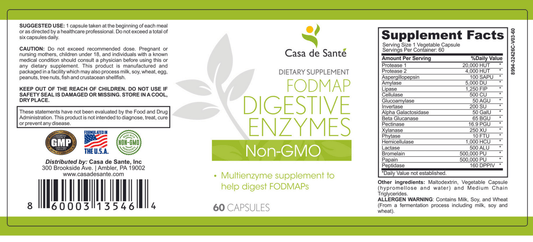
FODMAP-specific enzymes such as lactase (for lactose) and alpha-galactosidase (for galacto-oligosaccharides) help tackle certain sugars.
When these enzymes break down the problematic carbohydrates before they reach the colon, they minimize bacterial fermentation and the resulting gas production. For example, fructan hydrolase works specifically to break down fructans, helping to reduce bloating significantly.
FODZYME, a powder enzyme blend, can even be sprinkled onto food, allowing active engagement with FODMAPs.
When To Use Digestive Enzymes
Digestive enzymes are particularly helpful after you've pinpointed specific FODMAP sensitivities through the elimination phase of a low-FODMAP diet. Research indicates that full doses of enzyme treatment (300 GALU) effectively relieve symptoms in those sensitive to GOS, while lower doses may not yield similar improvements. These enzymes allow individuals to reintroduce previously problematic foods into their diets, enhancing food diversity.
What Are Probiotics?
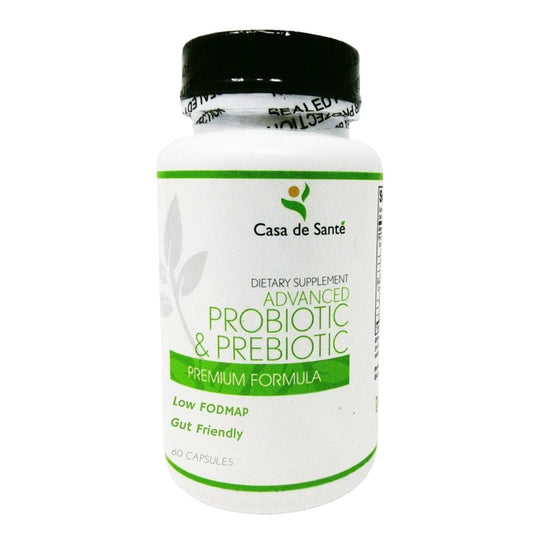
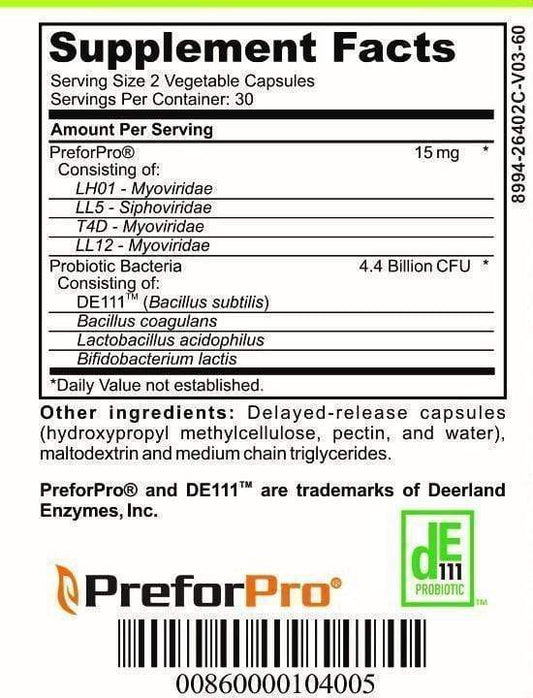
Probiotics consist of live beneficial bacteria that enhance your gut health.
How Probiotics Support Gut Health
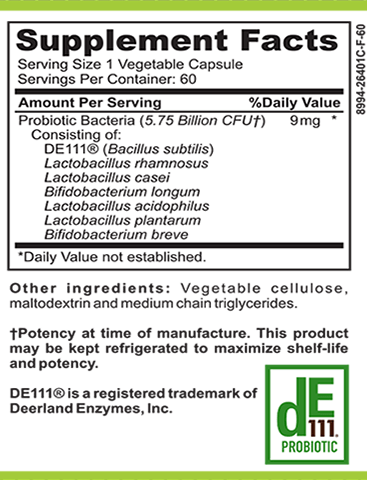
Clinical trials have shown strains like Lactobacillus rhamnosus GG provide significant improvements in overall IBS symptoms compared to placebo. By reducing abdominal pain, bloating, and flatulence, probiotics create a healthier digestive environment and promote optimal nutrient absorption.
Also, they help produce short-chain fatty acids, which are beneficial for colonic health. In patients recovering from post-infectious IBS, about 70.8% experienced resolution of gut dysbiosis after just 14 days of probiotic supplementation.
When To Use Probiotics
Patients who took probiotics reported lower IBS severity scores after six weeks compared to control groups, particularly those exhibiting mainly diarrheal symptoms. This suggests that probiotics can significantly enhance quality of life for individuals facing these issues.
Comparing Digestive Enzymes And Probiotics
While both digestive enzymes and probiotics improve gut health, they serve different purposes. Digestive enzymes work to break food into absorbable nutrients, especially designed for particular FODMAP intolerances. Conversely, probiotics focus on establishing a healthy gut microbiome and alleviating overall dysbiosis (a microbial imbalance).
Research indicates that using both along with a low-FODMAP diet may provide superior results compared to using either alone. Enzymes take immediate action during digestion, while probiotics build a healthier gut environment over time.
Choosing The Right Option For Bloating After Salads
To tackle bloating caused by salads, it's vital to identify the specific trigger foods within. For instance, if onions are a problem, using fructan hydrolase might be beneficial. If legumes cause discomfort, then alpha-galactosidase would be more effective.
Protease and lipase enzymes can also help mitigate post-meal bloating. Importantly, combining enzyme supplements with probiotics may enhance overall symptom relief and digestive comfort.
Conclusion
Summarizing, digestive enzymes offer immediate relief by dismantling specific FODMAPs in food, providing quick alleviation of bloating and discomfort. Probiotics, but, help support long-term health by restoring gut balance and correcting dysbiosis. For the most effective management of FODMAP intolerance and salad-induced bloating, a combined approach, with personalized attention to your unique food sensitivities, is likely the best strategy.
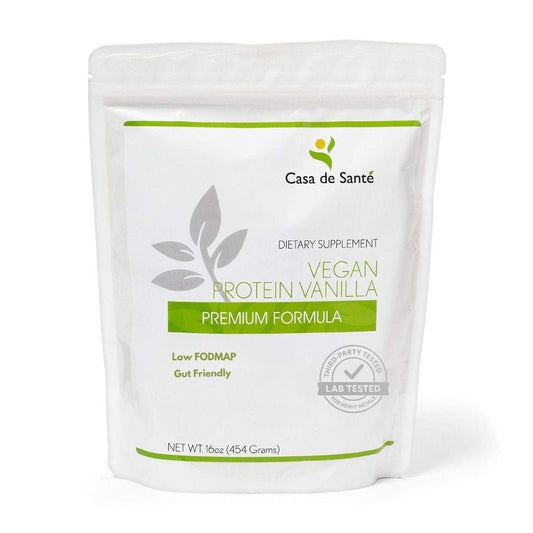
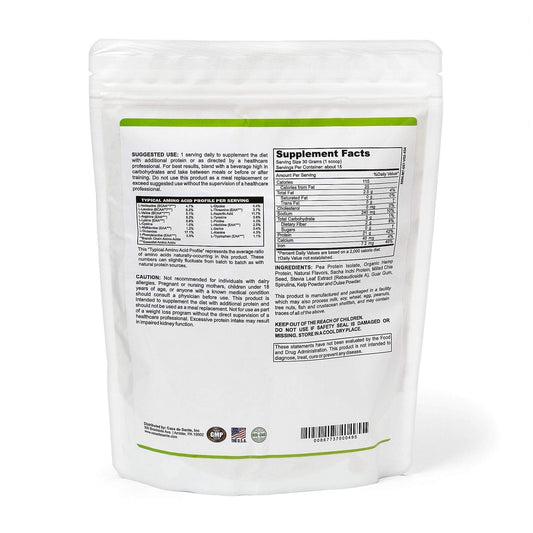
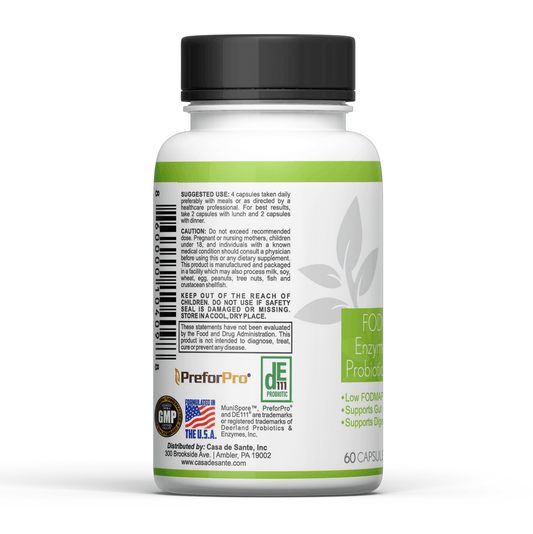
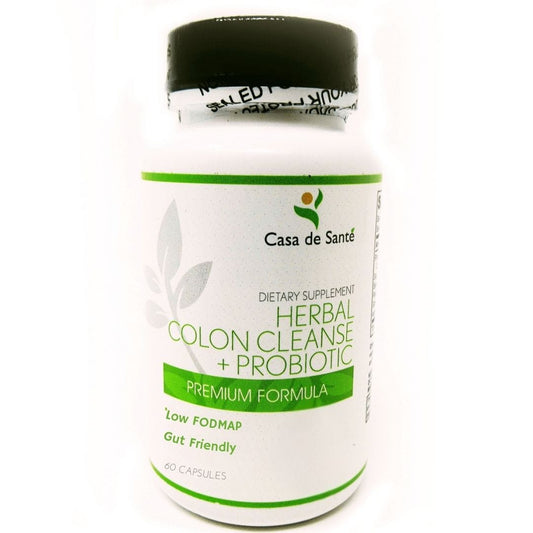
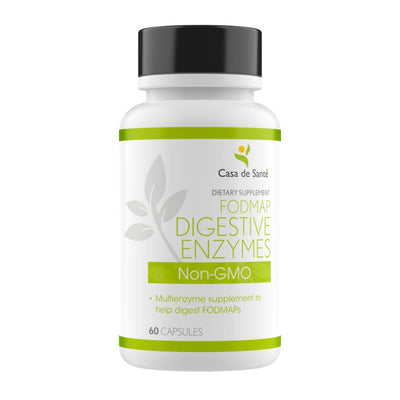
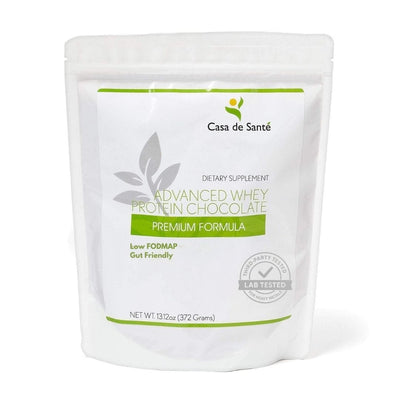
Ready to enjoy your favorite foods again without the bloat? Casa de Sante's FODMAP Digestive Enzymes might be just what you need for calm, confident digestion. By taking just one capsule before your next meal, you can rediscover the pleasure of eating without fear. Shop here.
Key Takeaways
- Digestive enzymes can effectively reduce bloating by breaking down specific FODMAPs in foods before they reach the colon.
- Probiotics improve gut health over time by rebalancing the microbiome and alleviating symptoms like gas and abdominal pain associated with FODMAP intolerance.
- Combining digestive enzymes with probiotics may enhance relief from bloating and improve overall digestive comfort after eating salads.
- Identifying specific FODMAP triggers, such as onions or legumes, is crucial to effectively utilize digestive enzymes for symptom relief.
- A personalized approach incorporating both digestive enzymes and probiotics, alongside a low-FODMAP diet, provides the best strategy for managing bloating after meals.