Digestive Enzymes vs. Probiotics: The Secret to Tackling IBS Symptoms
Navigating digestive health can be tricky, especially when you're dealing with IBS. In the quest for relief, two contenders stand out: digestive enzymes tailored for breaking down FODMAPs and probiotics aimed at balancing gut flora. But which is more effective for managing IBS symptoms? Let's jump into their differences and discover what might work best for you.
Understanding FODMAPs and IBS
IBS, or Irritable Bowel Syndrome, is a common gastrointestinal disorder characterized by chronic abdominal pain and altered bowel habits without any identifiable structural disease. A primary trigger for many IBS sufferers is FODMAPs, fermentable carbohydrates that are poorly absorbed in the small intestine. High-FODMAP foods can lead to rapid fermentation, causing gas, bloating, and discomfort.
Restricting FODMAP intake has emerged as a highly effective strategy for managing these symptoms, allowing individuals to enjoy a wider variety of foods without fear of distress.
For those with IBS, understanding FODMAPs is crucial. These short-chain carbohydrates, especially oligosaccharides, disaccharides, monosaccharides, and polyols, can wreak havoc on sensitive stomachs. Identifying specific triggers is key to finding relief.
What Are Digestive Enzymes?
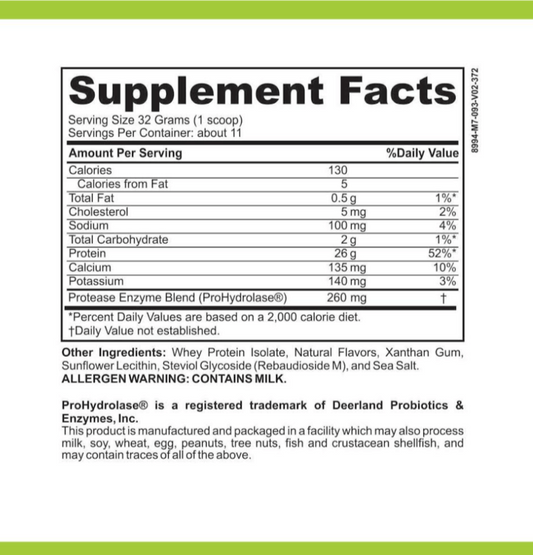
Digestive enzymes, such as amylase, protease, lipase, lactase, and alpha-galactosidase, are crucial for breaking down macronutrients in our food. Produced mainly in the pancreas, stomach, and small intestine, these enzymes help help nutrient absorption.
Role of Digestive Enzymes in Managing FODMAPs
Targeted digestive enzymes are particularly beneficial for those sensitive to specific FODMAPs. For instance, lactase helps break down lactose in dairy, while alpha-galactosidase targets the FODMAPs found in beans and legumes. By properly digesting these components, enzyme supplements can significantly reduce the burden on your gut and minimize bloat and gas.
Benefits of Digestive Enzymes for IBS Patients
Research suggests that certain enzyme formulations may help alleviate IBS symptoms, particularly related to gas and bloating. Mixed enzyme blends can offer comprehensive support, while targeted enzymes like lactase may be essential for individuals with specific intolerances. While some studies show promise, it's essential to remember that the effectiveness can vary from person to person.
What Are Probiotics?
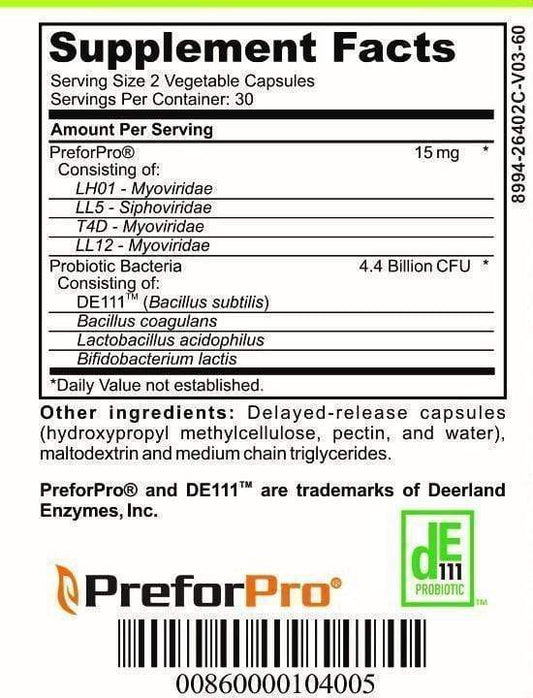
Probiotics are live microorganisms that, when consumed in adequate amounts, confer health benefits to the host. These friendly bacteria play an essential role in maintaining gut health and can also influence the gut-brain connection, making them vital for IBS management.
Probiotics and Their Role in IBS Symptom Management
Probiotics can help alter the gut microbiota composition, potentially improving symptoms like pain, bloating, and irregular bowel habits experienced by many IBS sufferers. They work by enhancing gut health, promoting balance in the microbiome and even helping alleviate symptoms associated with stress and anxiety.
Benefits of Probiotics for IBS Patients
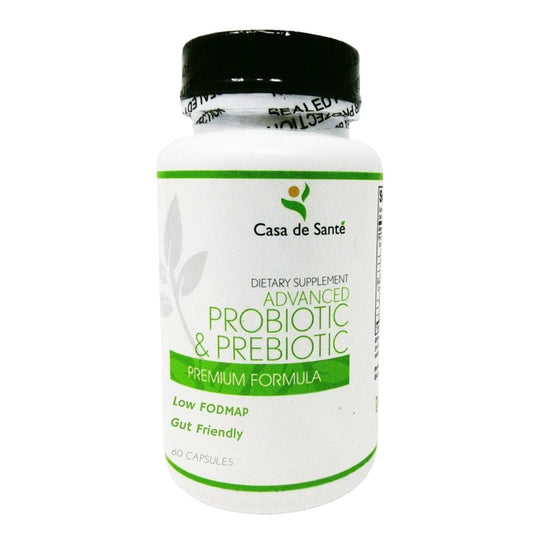
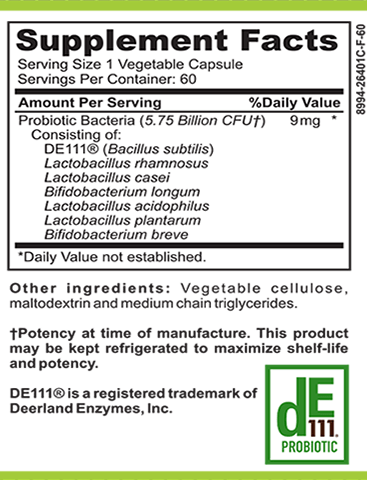
Multiple systematic reviews point to the positive impact of probiotics on IBS symptoms. Users often report a reduction in bloating, flatulence, and, in some cases, abdominal pain. Studies suggest that multi-strain probiotics and those taken consistently for at least 8 weeks may demonstrate the most significant benefits.
Comparative Analysis: Digestive Enzymes vs Probiotics for IBS
When comparing digestive enzymes and probiotics for IBS treatment, the differences in their mechanisms play a crucial role in determining their effectiveness.
Efficacy and Research Insights
Research indicates that probiotics generally present a stronger overall efficacy for addressing a broader spectrum of IBS symptoms. While digestive enzymes can be beneficial, particularly for specific intolerances, their overall utility in IBS management lacks robust evidence. Most studies focus on short-term benefits with limited long-term data.
Recommendations and Considerations
For those suffering from IBS, dietary management, especially following a low-FODMAP plan, should be the first step. If you identify specific intolerances, targeted digestive enzymes can be beneficial. On the other hand, considering a well-researched probiotic strain for a time-limited trial may provide relief from persistent IBS symptoms.
Conclusion
To conclude, both digestive enzymes and probiotics have their unique roles in supporting gut health, particularly for IBS sufferers. While digestive enzymes can alleviate symptoms related to specific FODMAPs, probiotics provide broader support via microbiome modulation. Depending on your symptoms and triggers, you may find better relief with one over the other or a combination of both. Consult with a healthcare provider to personalize your approach and take the first step towards a more comfortable digestive experience.
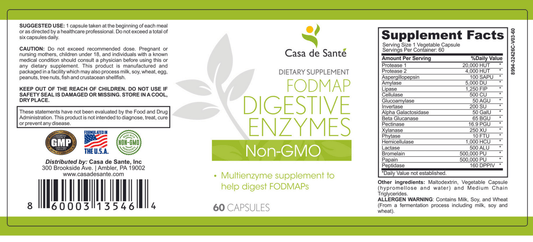
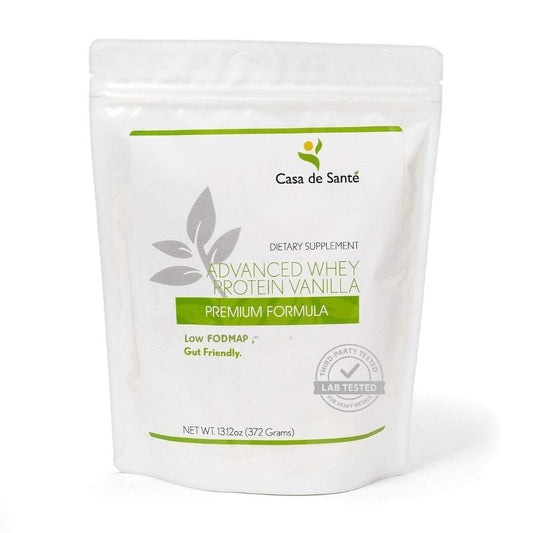
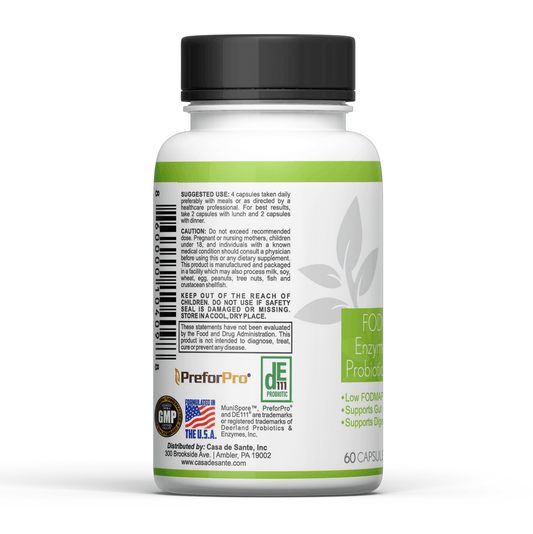
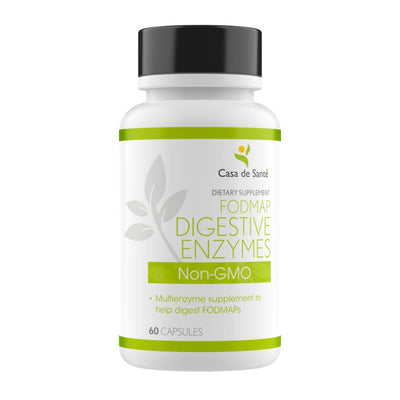
Enjoy your favorite foods again, without the bloat. Casa de Sante's FODMAP Digestive Enzymes is your go-to solution for calm, confident digestion. This full-spectrum blend is designed to take the stress out of eating and help you rediscover what it feels like to eat without fear. Shop here.
Key Takeaways
- Digestive enzymes can target specific FODMAPs, alleviating symptoms like gas and bloating for IBS sufferers.
- Probiotics offer broader gut health benefits, positively affecting a range of IBS symptoms such as abdominal pain and irregular bowel habits.
- A low-FODMAP diet is a crucial first step in managing IBS before considering enzyme or probiotic supplements.
- Research demonstrates that probiotics, particularly multi-strain varieties taken consistently, tend to provide more comprehensive relief from IBS symptoms.
- Personalizing your approach with a healthcare provider can optimize treatment outcomes for digestive issues related to IBS.