Digestive Enzymes: The Simple Timing Hack to Beat Bloating Fast
If you're frustrated by bloating after meals or want to get the most out of your digestive enzyme supplement, timing is everything. Learn the science-backed way to take digestive enzymes before eating, and finally enjoy your favorite foods again, comfortably.
Understanding Digestive Enzymes and Their Role
Digestive enzymes are your body's unsung heroes, specialized proteins that break down food into nutrients you can actually absorb. Every bite you take contains a mix of carbohydrates, fats, and proteins. Without enough digestive enzymes, these macronutrients can linger in your gut, causing issues like gas, bloating, and poor nutrient absorption.
Your body naturally produces enzymes in the pancreas, stomach, and small intestine, but sometimes it doesn't make enough, especially as you age or if you have certain health conditions. That's where enzyme supplements come in. Whether from food (like papaya and pineapple) or high-quality supplements, digestive enzymes can help flood your system with the firepower needed to break down even the toughest meals.
Why Timing Matters for Digestive Enzyme Effectiveness
You might think popping a digestive enzyme whenever is good enough. But here's what studies and digestive health experts emphasize: Timing is crucial.
Taking digestive enzymes just before you start your meal means the enzymes will mix directly with the incoming food in your stomach, kicking off the breakdown process right where it's needed. Take them too early? The enzymes could pass out of your stomach before the food even arrives. Take them after eating? The food has already started digesting without their help, and you lose those potential benefits.
So, if you want to truly unlock smoother digestion and less bloating, reaching for an enzyme supplement at the right moment, right before that first bite, is your best bet.
Best Practices for Taking Digestive Enzymes Before Meals
Here's your step-by-step, no-sweat routine for maximizing enzyme support:
- Take your digestive enzyme immediately before you start eating. This way, the supplement lands in your stomach with the food, right where it can get to work.
- Eating a big meal? Consider splitting your dose. Take half before you begin, and the other half halfway through. This helps extend the enzyme's effectiveness for longer, drawn-out feasts.
- Match your enzyme use to the meal's content. Meals high in protein or fat tend to demand more enzyme firepower than simple carbohydrate-based snacks. Use your supplement with these heavier meals for the best results.
- Be consistent. Make taking your enzyme supplement part of your mealtime ritual. If your meal "triggers" symptoms, that's the one to target with enzyme support.
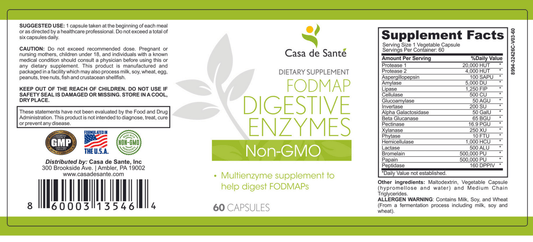
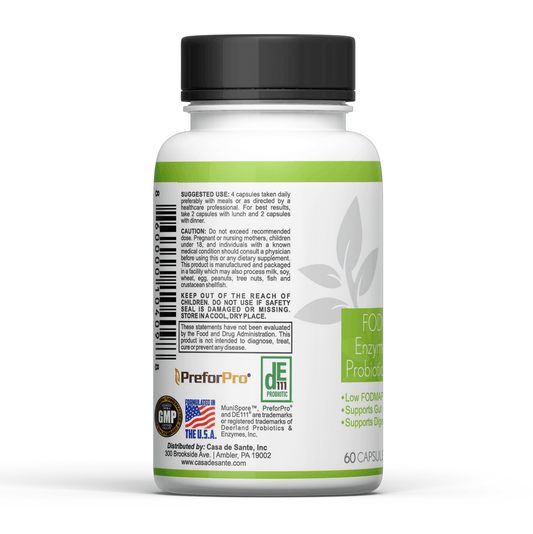
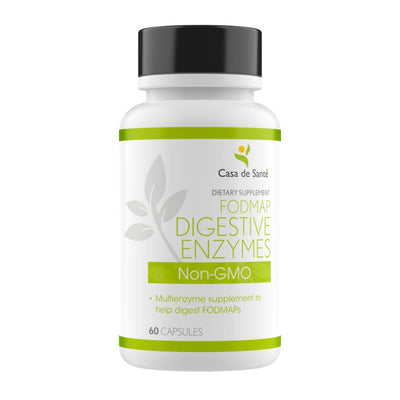
Enjoy your favorite foods again, without the bloat. FODMAP Digestive Enzymes formulated by Dr Onyx MD PhD, is an advanced 18-enzyme complex that breaks down even the toughest foods for fast and gentle relief from bloating and gas. Feel light, comfortable, and confident after every meal. Unlock Your Food Freedom with FODMAP Digestive Enzymes.
Special Considerations for Different Dietary Needs
Not all digestive challenges, or diets, are the same. Here are a few scenarios where you may need to tailor your enzyme timing or type:
- Exocrine Pancreatic Insufficiency (EPI): If your pancreas isn't producing enough enzymes, you may need prescription-strength enzyme therapy and extra care in timing. Some medications require enzymes to be taken at specific times relative to your meal schedule.
- Acid Suppressing Medications: If you're on PPIs or H2 blockers, certain enzymes (like proteases) may work less efficiently in less-acidic environments. You might need a different enzyme blend, or higher doses, for optimal relief.
- Vegetarian or Vegan Diets: Plant-based diets often include more fiber and complex carbs. Look for enzyme supplements (like cellulase) designed to help break down fibrous plant foods, and always check for animal-derived ingredients in your chosen supplement if you avoid them.
- High Protein or High Fat Diets: More of these macronutrients means a greater demand for enzymes like lipase and protease, be sure your supplement can handle the task.
If you're navigating any of these special situations, consider speaking with a healthcare professional to get individualized advice.
Common Mistakes to Avoid When Timing Enzymes
We've all been there, rushing through a meal and tossing a supplement in as an afterthought. But a few simple tweaks can make a world of difference:
- Don't take enzymes AFTER your meal. If you forget and take it after you've finished eating, their ability to aid digestion is minimized. Think: "before the first forkful."
- Don't take on an empty stomach, unless your doctor recommends it for a specific purpose (like targeting inflammation, for instance). Otherwise, they may pass through the gut unused.
- Don't skip them during heavy, problematic meals. Consistency is king. If you skip your enzyme when eating foods that usually cause issues (like pizza or a creamy pasta), expect your old symptoms to come knocking.
A little planning, and your digestive routine transforms from frustrating to failproof.
When to Consult a Healthcare Professional
It's worth stressing: digestive enzymes are incredibly helpful for most people, but they're not a magic shield for every gut concern. Reach out to your healthcare provider if:
- You still battle digestive discomfort, bloating, or irregularity, even while using digestive enzymes as directed.
- You've got a chronic condition (like celiac disease, EPI, or IBS) or you're on long-term medications affecting digestion.
- You're not sure what kind, or how much, of an enzyme you should take.
A medical professional can recommend the right enzyme blend, dosage, and timing strategy that fits your unique needs. It's the smart (and safe) route, especially if your symptoms are stubborn.
Conclusion
Digestion doesn't have to be a guessing game. With the right enzyme, properly timed just before your meal, you can finally relax and truly enjoy your favorite foods again, minus the post-meal regrets. Don't let another dinner leave you feeling heavy or uncomfortable. Take charge of your food freedom: trust a smart supplement routine, mind your timing, and consult a pro when you need the extra guidance. Better digestion starts before your very first bite.
Key Takeaways
- Take digestive enzymes immediately before eating to maximize their effectiveness with your meal.
- Splitting your digestive enzyme dose before and during large meals can help promote better digestion.
- Match your digestive enzyme supplement to the meal—use extra for high-protein or high-fat foods, and choose special blends for plant-based diets.
- Do not take digestive enzymes after your meal, as this reduces their benefit and may not relieve symptoms.
- Consistency in taking digestive enzymes before triggering meals can significantly reduce bloating and discomfort.
- Consult a healthcare professional if digestive enzyme supplements do not resolve your digestive issues or if you have a chronic condition.
Frequently Asked Questions about Timing Digestive Enzymes Before Meals
What is the best time to take digestive enzymes before meals?
The best time to take digestive enzymes is immediately before you start eating. This ensures the enzymes mix with your food in the stomach, optimizing digestion and helping reduce bloating and discomfort.
Should I take digestive enzymes on an empty stomach or with food?
Digestive enzymes should generally be taken just before or during a meal, not on an empty stomach, unless directed by your doctor. Taking them with food ensures they participate in the breakdown process and boost nutrient absorption.
Can splitting the digestive enzyme dose enhance effectiveness during large meals?
Yes, if you're eating a large meal, consider splitting your enzyme dose—take half before you start eating and the other half halfway through. This strategy can extend the effectiveness of digestive enzymes for longer or heavier meals.
How does the content of my meal affect digestive enzyme use?
Meals high in protein or fat require more digestive enzyme support. Choose a supplement containing appropriate enzymes, like protease or lipase, for these meal types, and take the supplement just before eating for best results.
Are there side effects or mistakes to avoid when using digestive enzymes before meals?
Common mistakes include taking enzymes after eating or skipping them during heavier meals. Rarely, some may experience mild side effects like upset stomach. Always consult a healthcare professional if digestive issues persist despite proper enzyme timing.
Do I need specific enzyme timing for dietary restrictions or medical conditions?
Yes, timing and type may vary if you have conditions like exocrine pancreatic insufficiency or take acid-reducing medication. Plant-based diets may require different enzymes. For personalized advice, consult your healthcare provider.