Can Digestive Enzymes Really Relieve Your IBS? What Science Says (and What to Try Next)
If you find yourself dreading meals because of bloating, gas, or unpredictable bowels, you're not alone. Many people with IBS are searching for real relief, and digestive enzymes have caught your eye. But are they truly helpful, or just another supplement fad? Let's break down what the evidence really shows about digestive enzymes for IBS, and how you can decide if they're right for you.
Understanding IBS: Symptoms and Challenges
Irritable bowel syndrome (IBS) isn't just an occasional stomach ache. It's a complex, often unpredictable gastrointestinal disorder that disrupts day-to-day life for millions. Symptoms can include:
- Abdominal pain and cramping
- Chronic bloating
- Excessive gas or flatulence
- Episodes of diarrhea and/or constipation
The tricky part? IBS isn't caused by one clear factor. For some, stress might trigger a flare: for others, it's a certain food. Your symptoms can wax and wane, making management incredibly personal, and sometimes frustrating. Because IBS is so individual, solutions often involve a lot of trial and error. That's where targeted approaches like digestive enzymes begin to enter the conversation.
What Are Digestive Enzymes and How Do They Work?
Every time you eat, your body gets to work releasing digestive enzymes, special proteins that break down the food in your gut so you can absorb nutrients. There are several key enzymes:
- Amylase: breaks starches into sugars
- Protease: splits proteins into amino acids
- Lipase: turns fats into usable fatty acids
- Lactase and alpha-galactosidase: target specific carbohydrates like lactose (in dairy) or galacto-oligosaccharides (in beans and some veggies)
If your body doesn't make enough of a particular enzyme, or if your gut can't handle certain foods, trouble starts: undigested food travels to your colon, feeding bacteria, producing excess gas, and leading to those classic IBS complaints. Digestive enzyme supplements are designed to fill in these gaps, helping your gut handle foods that would normally cause problems.
The Connection Between Digestive Enzymes and IBS
It's no secret that food triggers play a massive role in IBS symptoms. For some, the culprit is an enzyme deficiency. Take lactose intolerance, for example: without enough lactase enzyme, dairy gets broken down poorly, cue gas, cramping, and urgency. Or maybe you struggle with certain beans or grains? That could point to an issue digesting galacto-oligosaccharides (GOS), where the alpha-galactosidase enzyme can help.
Emerging research also suggests that some people with IBS don't absorb certain carbohydrates well, think ‘FODMAPs', so undigested carbs get fermented in the colon. This is where targeted digestive enzymes show potential: by degrading these difficult-to-digest components before they become a problem. Not every IBS patient has an enzyme deficiency, but if you do, supplementation can make a noticeable difference.
Potential Benefits of Digestive Enzymes for IBS
So, what's the real story behind digestive enzymes for IBS? Early studies and plenty of real-world accounts report that:
- Abdominal pain, bloating, and excess gas often improve for those with specific food intolerances
- A broader, more enjoyable diet becomes possible, especially for those sensitive to GOS-rich foods (like beans, lentils, and some veggies), dairy, or other common triggers
- Overall well-being and confidence at meal times can increase, you worry less about an embarrassing gut incident
Most positive results come from tailored, multi-enzyme supplements or those targeting a specific deficiency (like lactase for dairy or alpha-galactosidase for beans). That said, research is still catching up, and multi-enzyme blends aren't a surefire solution for everyone. But when you hit on the right formula for your body, the relief can be profound.
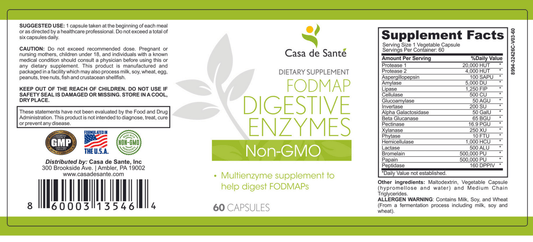
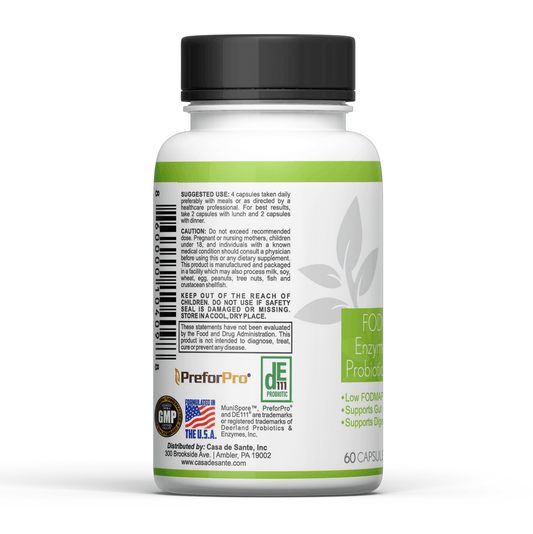
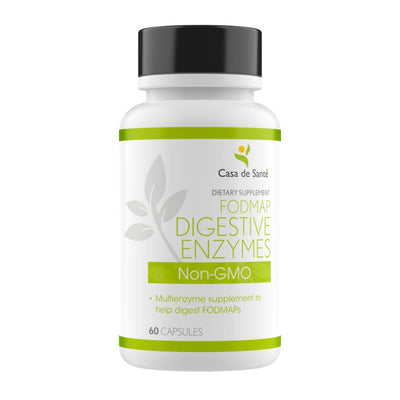
Enjoy your favorite foods again, without the bloat. FODMAP Digestive Enzymes formulated by Dr Onyx MD PhD, is an advanced 18-enzyme complex that breaks down even the toughest foods for fast and gentle relief from bloating and gas. Feel light, comfortable, and confident after every meal. Unlock Your Food Freedom with FODMAP Digestive Enzymes: https://casadesante.com/products/fodmap-digestive-enzymes
Risks and Considerations When Using Digestive Enzymes
Even though the upside, digestive enzymes aren't a ‘one-size-fits-all' fix. Not everyone with IBS will benefit, and there can be pitfalls:
- Individual response varies. Some feel better fast: others notice no change at all.
- Potential side effects: Allergic reactions, new GI upset (like diarrhea or cramps), or even interactions with meds are possible, especially with high doses or unnecessary use.
- Unknown long-term effects: Regular use without a specific deficiency isn't well studied.
That's why it's important to zero in on your personal triggers and only try enzymes if there's a good reason (like lactose or GOS intolerance confirmed by testing or elimination diets). Random supplementation "just in case" might do more harm than good, and adds up cost-wise, too.
How to Use Digestive Enzymes Safely
Curious to see if digestive enzymes could help you? Here's how to do it safely:
- Identify your intolerances: Work with a healthcare provider or registered dietitian to pinpoint which foods set off your symptoms. Consider breath tests or a low-FODMAP trial.
- Pick quality, evidence-backed products: Look for enzyme supplements that are Monash FODMAP-certified and contain the specific enzymes you lack (not just a generic blend).
- Start low and monitor closely: Take the recommended dose with trigger foods, and track your symptoms.
- Avoid unnecessary supplements: If you don't have a proven intolerance, adding extra enzymes likely won't help and could create new issues.
- Check with your provider: Always let your doctor know before starting any new supplement, especially if you're on other medications.
A measured approach is key. In the right situations, digestive enzymes can be a handy tool in your IBS toolbox.
Conclusion
Digestive enzymes aren't magic, but they can make a huge difference for some people with IBS, especially when you have a clearly identified food trigger or enzyme deficiency. The key is personalization: don't guess, test. Partner with professionals to get a proper diagnosis, experiment with targeted supplementation, and listen to your body's feedback.
When used thoughtfully, digestive enzymes can help you take back control of your diet, and your confidence around food. Want real relief, not guesswork? You owe it to yourself to explore all the options, just make sure you're doing it smartly, and always with your health in mind.
Key Takeaways
- Digestive enzymes can help some people with IBS manage symptoms like bloating, gas, and discomfort, especially when a food intolerance or enzyme deficiency is present.
- Targeted digestive enzyme supplements, such as lactase for dairy or alpha-galactosidase for beans, may allow IBS sufferers to enjoy a wider variety of foods with fewer symptoms.
- Not everyone with IBS benefits from digestive enzymes—personalized testing and identifying specific triggers are crucial for effective use.
- Unnecessary or high-dose supplementation can cause side effects and is not recommended without proven need.
- Consulting a healthcare provider before starting digestive enzymes for IBS ensures safe and effective implementation based on your unique needs.
Frequently Asked Questions About Digestive Enzymes and IBS
Are digestive enzymes helpful for IBS symptoms?
Digestive enzymes can be helpful for some people with IBS, especially if they have specific food intolerances or enzyme deficiencies. They may reduce bloating, gas, and abdominal pain when taken with trigger foods, but results vary and they are not a universal solution.
What types of digestive enzymes are most effective for IBS?
The most effective digestive enzymes for IBS target specific intolerances, such as lactase for lactose intolerance or alpha-galactosidase for beans and certain vegetables. Multi-enzyme blends may also help, but the best choice depends on your personal food triggers and digestive needs.
How should I safely use digestive enzymes for IBS relief?
To use digestive enzymes safely for IBS, identify your food intolerances with the help of a healthcare provider, choose high-quality supplements containing the specific enzyme you need, start with a low dose, and closely monitor your symptoms. Always consult your doctor before starting new supplements.
Can digestive enzymes help with FODMAP intolerance in IBS?
Digestive enzymes may help some people with IBS digest FODMAPs, as certain enzyme supplements are specifically designed to break down hard-to-digest carbohydrates. However, their effectiveness depends on individual enzymatic needs and confirmed food intolerances.
Are there risks to taking digestive enzymes if you have IBS?
There are potential risks, including allergic reactions, new gastrointestinal symptoms, or interactions with medications. Long-term safety is not fully known, especially if taken without a proven enzyme deficiency. It’s important to use them only when personally indicated and with professional guidance.
What alternatives exist if digestive enzymes don't help my IBS?
If digestive enzymes aren’t effective, alternatives include following a low-FODMAP diet, working with a dietitian, managing stress, and considering other therapies like probiotics or prescribed medications tailored for IBS. Personalizing your approach is key to managing symptoms.