Can Digestive Enzymes Help With IBS? What Science Really Says (And How To Feel Better Now)
If you've ever felt like your gut is plotting against you, hello, random bloating, cramps, or that never-ending fullness, you're not alone. IBS, or irritable bowel syndrome, affects millions, but the idea that relief could come from digestive enzymes is quickly gaining attention. Could these tiny protein helpers make you comfortable and confident after every meal? Here's what you need to know.
Understanding IBS: Causes and Symptoms
IBS stands for irritable bowel syndrome, a chronic digestive disorder that doesn't show up on any scan or lab test, yet can totally hijack your daily life. It typically brings on some combination of abdominal pain, bloating, excess gas, and unpredictable bowel habits, meaning you might swing between diarrhea, constipation, or a confusing mix of both.
The exact cause? Still kind of a mystery. Experts think it involves a tangled web of gut-brain communication issues, changes in your gut microbiome, abnormal gut motility, and heightened sensitivity in the intestines. Food triggers are classic too. For many, certain foods, especially those high in FODMAPs, can set off symptoms almost immediately. While not life-threatening, IBS can make even simple meals feel like a gamble.
What Are Digestive Enzymes?
Digestive enzymes are special proteins your body naturally releases to break down what you eat into smaller, absorbable parts. Think of them like tiny workers, cutting up carbohydrates, proteins, and fats so your body can use them for energy and repair. Key enzymes include amylase (for carbs), lipase (for fats), and protease (for proteins). You'll find these mostly in your saliva, stomach, pancreas, and small intestine.
But here's the kicker: If your body doesn't make enough of a specific enzyme (say, lactase for dairy), even a simple meal can spark digestive chaos, think gas, stomachaches, or urgent trips to the restroom.
The Link Between Digestive Enzymes and IBS
So, how are digestive enzymes and IBS connected? For a subset of people with IBS, symptoms like bloating, gas, or loose stools are triggered by the incomplete breakdown of certain foods. This often happens if you're missing or have a mild deficiency in enzymes, like lactase (can't handle milk) or enzymes that help with beans or fibrous veggies.
That's where enzyme supplements come in. The idea: If your intestines are struggling to break down food, giving them extra enzyme support might make digestion smoother and symptoms milder. In clinical practice, multi-enzyme blends are sometimes recommended when it's clear that symptoms flare after eating specific foods, especially if you've already tried adjusting your diet without full relief.
Types of Digestive Enzymes and Their Roles
Different enzymes have specific roles, and knowing what they do can help you figure out if a supplement might be a good fit for your gut.
- Lactase: Breaks down lactose (the sugar in milk). If you're sensitive to dairy, this is your go-to enzyme.
- Alpha-galactosidase: Targets complex carbs found in beans, lentils, and cruciferous veggies (like broccoli). If you get gassy from veggies, this one's often in over-the-counter remedies.
- Pancreatic enzymes: These are heavy hitters that help digest all major food groups, fats, proteins, and carbs. Sometimes used in prescribed form for more significant digestive deficiencies.
Other multi-enzyme formulas combine several of these into one pill, designed for people who react to a wide range of foods. If you find you're sensitive to more than one food group, a broad-spectrum supplement could offer broader coverage.
Evidence for Digestive Enzymes in Treating IBS
Now for the big question, do they actually work? According to recent clinical reviews and a handful of placebo-controlled studies, there's promising evidence that digestive enzyme supplements, especially multi-enzyme blends, can reduce IBS-like symptoms, particularly bloating and discomfort after meals. The benefits seem strongest if you notice your symptoms are triggered by eating specific things (think: dairy, beans, high-FODMAP foods).
The results aren't a miracle, and enzyme supplements aren't a fix-all for every IBS patient. Most research highlights certain groups, like people who do well on a low FODMAP diet or have mild enzyme deficiencies, as the best candidates. But, the data is still new, so we need more high-quality, long-term studies to know exactly who benefits most.
If you've already spent months tinkering with food diaries and elimination diets and still find certain foods set you off, digestive enzyme supplements could be the missing piece.
Potential Benefits and Risks of Enzyme Supplementation
The upsides? When used appropriately, digestive enzyme supplements can lead to:
- Less bloating and gas after trigger foods
- Fewer trips to the bathroom (or less urgency)
- More calm and confidence when eating out or trying new meals
For those with a proven enzyme deficiency or obvious trigger foods, these benefits can be dramatic. But enzyme supplements aren't totally risk-free. They're generally very safe, but problems can pop up if used incorrectly, like using them when another underlying issue (such as pancreatic disease or food allergies) is the real culprit. Rarely, allergic reactions or digestive upset can occur.
Bottom line: Always consult with your healthcare provider before starting any new supplement, particularly if you have ongoing health issues.
How to Use Digestive Enzymes Safely for IBS
If you're ready to give digestive enzymes a try, here's your safety checklist:
- Choose quality: Look for validated, high-quality products (like tested blends with clear dosing and ingredient lists).
- Consult first: Get an expert opinion, preferably from a gastroenterologist or registered dietitian, to figure out if enzymes make sense for your IBS type and symptoms.
- Start low, go slow: Begin with the lowest recommended dose and track your meals, symptoms, and responses.
- Monitor & adjust: Reassess regularly. You may need to tweak which enzymes you use, when you take them, or your overall diet for optimal results.
- Rule out other causes: Make sure undiagnosed conditions aren't at play, things like celiac disease, allergies, or pancreatitis can mimic or complicate IBS.
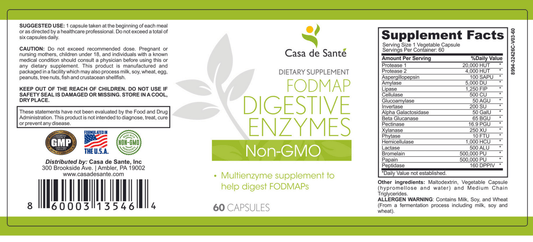
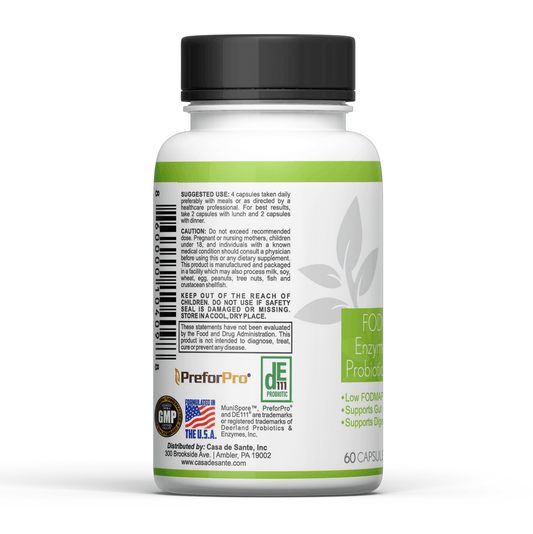
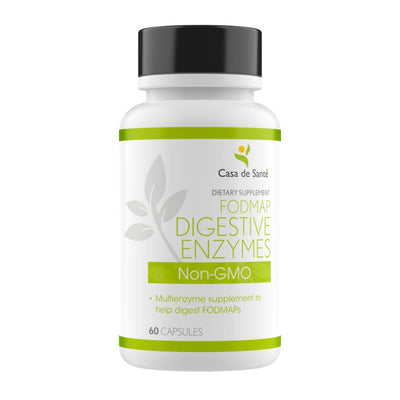
Ready to enjoy your favorite foods again, without the bloat? FODMAP Digestive Enzymes, formulated by Dr Onyx MD PhD, combines 18 advanced enzymes to break down even the toughest foods for fast, gentle relief from bloating and gas. Feel light, comfortable, and confident after every meal. Unlock Your Food Freedom with FODMAP Digestive Enzymes.
Conclusion
Digestive enzymes could fill a real gap for many people with IBS, especially when food triggers and minor enzyme deficiencies are to blame. While the research is still catching up, the early results are encouraging, particularly if you're already doing the right things with your diet and lifestyle. Work closely with a professional, choose reputable enzyme blends, and listen to your body.
Enjoy your favorite foods again, without the bloat.
Key Takeaways
- Digestive enzymes may help reduce IBS symptoms like bloating and discomfort, especially if your triggers are specific foods.
- Supplementing with digestive enzymes such as lactase or alpha-galactosidase can improve digestion for those with mild enzyme deficiencies or known food sensitivities.
- Clinical evidence suggests multi-enzyme blends could benefit certain IBS sufferers, but more long-term studies are needed.
- Enzyme supplements should be chosen carefully and used under the guidance of a healthcare professional for safety and effectiveness.
- Digestive enzyme use is most effective when combined with existing diet and lifestyle approaches tailored to IBS.
Frequently Asked Questions About Digestive Enzymes and IBS
Can digestive enzymes help with IBS symptoms?
Digestive enzymes can help some people with IBS, especially if their symptoms are triggered by certain foods. Supplemental enzymes may reduce bloating, gas, and discomfort after meals by aiding in the breakdown of specific carbohydrates, fats, and proteins.
What types of digestive enzymes are most beneficial for IBS?
Commonly used digestive enzymes for IBS include lactase (for dairy), alpha-galactosidase (for beans and vegetables), and broad-spectrum multi-enzyme blends. These supplements target common IBS triggers and can help reduce symptoms if enzyme deficiencies or food sensitivities are present.
Are digestive enzyme supplements safe for people with IBS?
Digestive enzyme supplements are generally safe when used correctly. However, it's important to consult a healthcare provider before starting, as underlying conditions like food allergies or pancreatic disease may require different treatment. Allergic reactions or mild digestive upset can occasionally occur.
Who should consider taking digestive enzymes for IBS relief?
Digestive enzymes may benefit individuals with IBS who experience symptoms after eating foods high in FODMAPs, dairy, beans, or fibrous vegetables, and who haven’t found complete relief with diet changes alone. A healthcare professional can help determine if enzymes are appropriate.
How do I use digestive enzymes for IBS safely and effectively?
For safe use, choose high-quality supplements, begin with a low dose, and track your symptoms. It’s essential to consult a gastroenterologist or dietitian before starting, and to regularly review your experience to adjust the type or dosage as needed.
Do digestive enzymes cure IBS?
Digestive enzymes do not cure IBS but may provide symptom relief for some people, particularly those with minor enzyme deficiencies or food-triggered discomfort. They work best as part of a personalized management plan and should be used under professional guidance.