Can Digestive Enzymes Finally Tame IBS-D? What Science (and Real People) Reveal
Dealing with IBS-D means more than watching what you eat, sometimes, it feels like every meal is a gamble. If you've heard about digestive enzymes as a possible solution, you're not alone. But can they really help ease those sudden stomach upsets? Let's break down what science says, who might benefit most, and the real-world steps you can take to find relief.
Understanding IBS-D: Symptoms and Triggers
Irritable Bowel Syndrome with Diarrhea (IBS-D) is frustratingly unpredictable. If you have IBS-D, you're dealing with chronic or recurring abdominal pain, sometimes sharp, sometimes dull, accompanied by frequent loose or watery stools. Flare-ups can strike at the worst times and seem to come out of nowhere.
But usually, some common threads emerge. Many people discover their IBS-D triggers are tied to specific foods, especially high-FODMAP options like onions, garlic, wheat, and certain fruits. Stress and hormonal shifts can also ramp up symptoms. For some, it's a vicious cycle: worrying about symptoms makes the gut act up even more.
What Are Digestive Enzymes?
Imagine digestive enzymes as tiny, specialized factory workers in your body. Their only job? Breaking down what you eat into nutrients you can actually absorb.
There are several main types:
- Proteases split proteins into amino acids.
- Lipases break fats into fatty acids.
- Amylases convert carbohydrates into simple sugars.
Your body makes these naturally, but sometimes you need a little extra support, especially if certain foods leave you feeling bloated or racing to the bathroom.
The Connection Between Digestive Enzymes and IBS-D
So where do digestive enzymes fit into the IBS-D puzzle? For many, it comes down to intolerances, specific foods that your gut just can't handle efficiently. Trouble digesting dairy, beans, certain grains, or even healthy veggies can ramp up symptoms like diarrhea, pain, and embarrassing gas.
That's where enzyme supplements come in. These over-the-counter products are formulated with different types of enzymes (think: lactase for dairy, protease for protein, and alpha-galactosidase for beans). Take them before meals, and they can help your body handle problem foods more gracefully, potentially reducing the digestive chaos afterwards.
But, not every IBS-D case is caused by enzyme deficiencies or food intolerances. For some, stress and nerve signaling in the gut still play major roles.
Current Research on Digestive Enzymes for IBS-D
Here's where things get interesting, and a little complex. The science is still catching up, but so far, some studies look promising. Retrospective and early clinical research suggests that as many as 82.5% of patients with "IBS-like" symptoms reported symptom improvement after using enzyme blends. That's not a guarantee, but it's a big number that deserves attention.
Some of the most encouraging results come from people whose symptoms flare predictably with certain foods. Ongoing clinical trials are even looking at innovative enzyme products (like FODZYME©) for those who didn't get full relief on a low FODMAP diet alone.
But, a word of caution: Research is still limited. Many studies haven't figured out exactly who gets the most benefit, under what conditions, or why. The placebo effect is powerful in IBS research, and there's a need for long-term, high-quality trials that pinpoint the best candidates for enzyme therapy.
Potential Benefits and Risks of Digestive Enzymes
Why give enzymes a try? If you have clear food triggers, like dairy, beans, high-FODMAP veggies, digestive enzymes can offer you:
- Less abdominal pain and discomfort
- Fewer bouts of diarrhea after trigger foods
- Reduced bloating and gassiness
Most people tolerate enzyme supplements well. Side effects are usually mild: think minor digestive upset if you take too much, or none at all. But overusing them can mask underlying issues, and some people end up spending a lot on supplements they don't truly need.
An important heads up: While digestive enzymes can be a helpful piece of your IBS-D management puzzle, they're not a cure-all. It's always best to talk with a healthcare provider before starting new supplements, especially if your symptoms change or worsen unexpectedly.
Tips for Using Digestive Enzymes with IBS-D
To get the most from digestive enzymes, consider these practical guidelines:
- Choose the right enzyme blend for your triggers.
- Lactase for dairy intolerance
- Alpha-galactosidase for beans/legumes
- Multi-enzyme products for mixed meals
- Timing matters: Always take enzymes just before you eat.
- Start low and assess: Test with small amounts of your trigger food, don't go for an all-you-can-eat buffet right away.
- Keep a food and symptom journal: Track what foods cause trouble and how you feel after taking enzymes. This can help you (and your doctor) spot patterns over time.
- Don't skip your provider: Talk to your healthcare provider before starting a supplement, especially if you have new, changing, or severe symptoms.
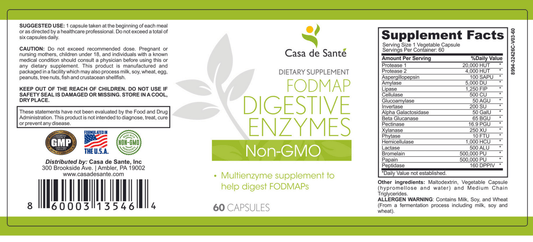
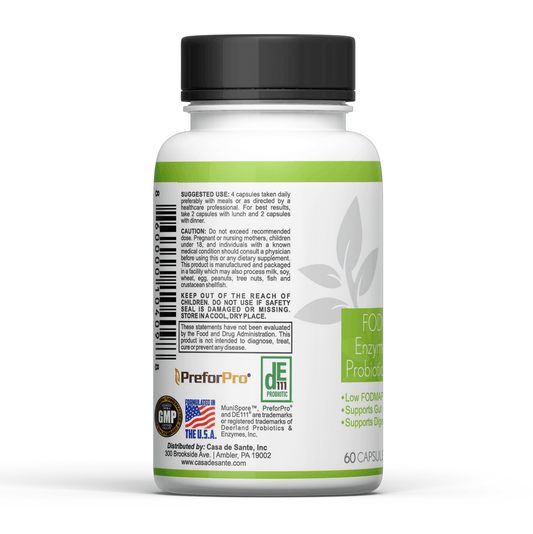
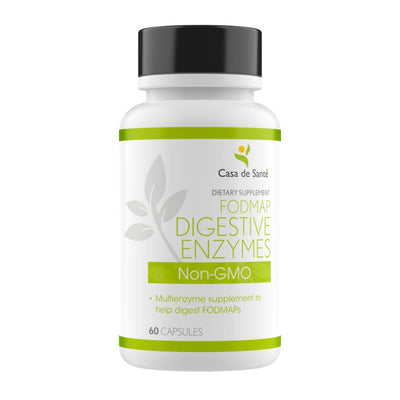
Ready to enjoy your favorite foods again, without the bloat? FODMAP Digestive Enzymes, formulated by Dr. Onyx MD PhD, is an advanced 18-enzyme complex designed to break down even stubborn foods for fast, gentle relief. Feel light, comfortable, and confident after every meal. Unlock Your Food Freedom with FODMAP Digestive Enzymes.
Conclusion
Digestive enzymes aren't a miracle for everyone with IBS-D. But if your symptoms are linked to specific foods, they can be a genuine game-changer, allowing you to eat out, travel, or just enjoy your favorite meals with a lot less worry. Early research is promising, especially for food-triggered cases, even as the science keeps evolving. If you're ready to experiment safely, a tailored enzyme approach (with guidance from your healthcare provider) could help you reclaim a bit of food freedom, and your quality of life.
Key Takeaways
- Digestive enzymes may help reduce IBS-D symptoms if your diarrhea and discomfort are triggered by specific foods.
- Choosing the right enzyme supplement, like lactase for dairy or alpha-galactosidase for beans, is essential for targeting your triggers.
- Early research shows digestive enzymes can benefit many with IBS-D, but not everyone will see the same level of relief.
- Always take digestive enzymes before eating and start with small amounts to monitor your response.
- Consult your healthcare provider before adding any new supplements, especially if IBS-D symptoms are severe or changing.
Frequently Asked Questions About Digestive Enzymes and IBS-D
Do digestive enzymes help with IBS-D symptoms?
Digestive enzymes may help some people with IBS-D, especially if their symptoms are triggered by specific foods they have trouble digesting. Enzyme supplements can aid in breaking down problematic foods, potentially reducing discomfort, bloating, and diarrhea. However, they're not a universal solution and may not work for everyone.
When should I consider taking digestive enzymes for IBS-D?
Consider digestive enzymes if you notice that your IBS-D symptoms consistently flare up after eating certain foods, like dairy, beans, or high-FODMAP vegetables. Always consult your healthcare provider before starting any new supplement to ensure it’s appropriate for your situation.
Are there risks to using digestive enzymes for IBS-D?
Most people tolerate digestive enzymes well, with mild side effects being rare. However, overuse can hide underlying health issues or become unnecessary if not targeted to your specific triggers. Always check with a healthcare provider for the best approach to managing your IBS-D.
Which digestive enzymes are best for IBS-D?
The best digestive enzyme for IBS-D depends on your food triggers. Lactase is effective for dairy intolerance, alpha-galactosidase helps with beans and legumes, and multi-enzyme blends are suitable for mixed meals. Selecting the right enzyme and timing your dose before meals improves effectiveness.
Can digestive enzymes cure IBS-D?
Digestive enzymes do not cure IBS-D. They may help manage symptoms when food intolerances are involved, but IBS-D is a complex condition often influenced by stress, gut nerve sensitivity, and other factors that enzymes alone cannot address.
How long does it take for digestive enzymes to work for IBS-D?
Digestive enzymes typically start working soon after you take them, usually with your meal. Many people notice a reduction in symptoms like bloating or diarrhea after eating trigger foods, but results vary based on individual triggers and the enzyme used.