Avoid the Thanksgiving Nightmare: How to Tame IBS Diarrhea After Rich Foods
Thanksgiving can be a joyous occasion, but for those with Irritable Bowel Syndrome (IBS), it can also lead to uncomfortable and distressing symptoms. If you're wondering how to navigate the rich foods while keeping your gut in check, you've come to the right place. Let's unravel the connection between holiday feasts and IBS symptoms so you can enjoy your meal without fear.
What Is IBS and How Does It Relate to Diet?
Irritable Bowel Syndrome (IBS) is a chronic gastrointestinal disorder characterized by symptoms like abdominal pain, bloating, and changes in bowel habits, including diarrhea and constipation. Diet plays a crucial role in managing IBS symptoms, as certain foods can either alleviate or exacerbate issues. The gut-brain connection means that stress, anxiety, and your food choices can all spiral together to trigger flare-ups. For those with IBS, rich foods, often laden with fats and sugars, can be particularly problematic during festive occasions.
Common Symptoms of IBS Diarrhea
IBS diarrhea manifests differently for every patient but commonly includes:
- Frequent bouts of loose or watery stools: Many people experience an urgent need to use the bathroom after meals.
- Abdominal cramping: These cramps often come and go, often worsening after eating.
- Bloating and gas: The feeling of fullness can be a clue that your digestive system is struggling.
- Mucus in stools: This can be a clear indicator of irritation in the gastrointestinal tract.
Knowing the signs can help you recognize a flare-up faster and take precautions.
Thanksgiving Foods That May Trigger IBS Symptoms
Many traditional Thanksgiving foods can be hard to digest for those with IBS. Here are some common culprits:
- Rich gravies and sauces: High in fats and sometimes dairy, these can cause bloating.
- Stuffing with high FODMAP ingredients: Bread and onion can exacerbate symptoms.
- Mashed potatoes with cream: Dairy can be a major trigger for many IBS sufferers.
- Cranberry sauce: The sweetness and acidity can be tough on IBS-prone stomachs.
- Desserts laden with sugar: Pies and cakes can lead to digestive chaos if not managed carefully.
Staying mindful of these foods can help you avoid discomfort during and after the feast.
How to Manage IBS Symptoms Post-Thanksgiving
If you find yourself experiencing IBS symptoms after a holiday meal, consider these management strategies:
- Hydrate: Drinking plenty of water helps reduce symptoms and aids in digestion.
- Gentle movement: A light walk can stimulate digestion and may ease bloating and discomfort.
- Rest: Allow your body time to recover: sometimes a quiet space can help reduce stress on your gut.
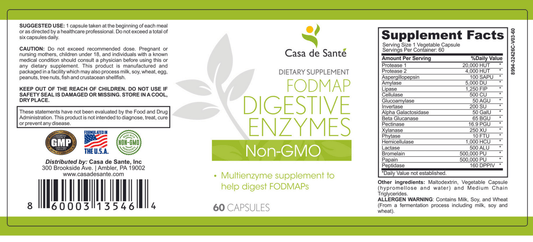
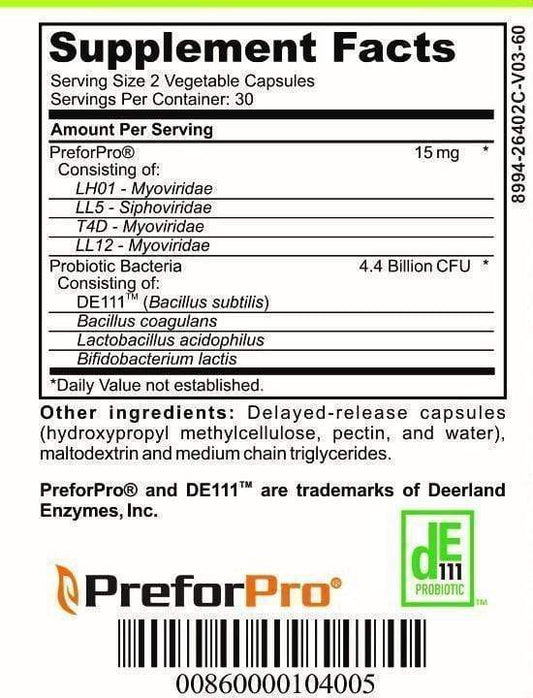
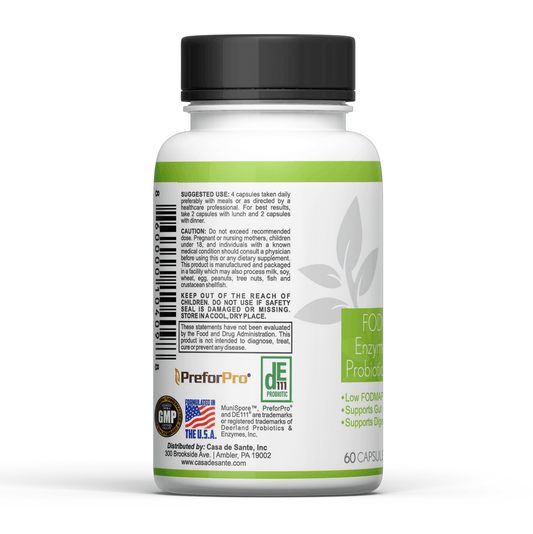
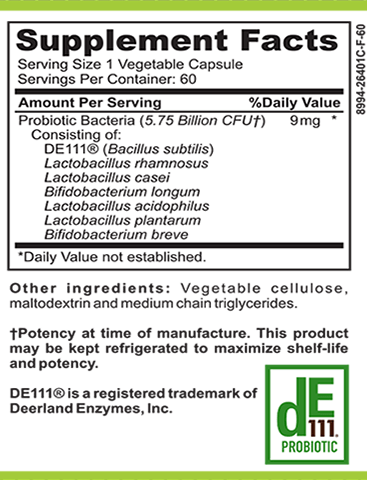
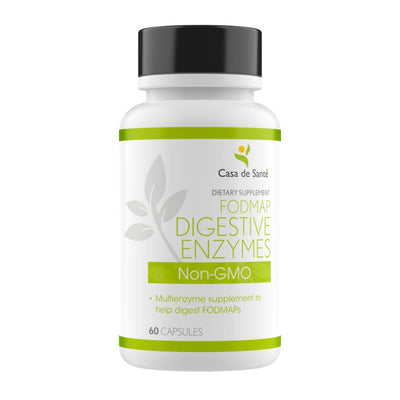
- Over-the-counter solutions: Products like Casa de Sante's FODMAP Digestive Enzymes can help break down problematic foods, aiding digestion and reducing the likelihood of symptoms.
Enjoy your favorite foods again, without the bloat. Casa de Sante's FODMAP Digestive Enzymes is your go-to solution for calm, confident digestion. Whether you're living with IBS, following a low FODMAP plan, or just have a sensitive stomach, this full-spectrum blend is designed to take the stress out of eating.
Preventing IBS Flare-Ups During Holiday Meals
To minimize IBS flare-ups during holiday celebrations:
- Plan your meals: If you're hosting, consider offering multiple low-FODMAP dishes. This will not only support you but also educates your loved ones on gut-friendly eating.
- Eat mindfully: Slow down and focus on your meal. Chewing thoroughly can ease the digestive process.
- Limit trigger foods: If you know certain dishes cause distress, make a conscious choice to avoid them.
- Take digestive enzymes: A product like Casa de Sante's FODMAP Digestive Enzymes taken before meals can offer support in breaking down complex food components that might cause issues, allowing you to enjoy your meal without fear.
When to Seek Medical Advice
While IBS can often be managed with dietary changes and over-the-counter solutions, it's crucial to know when to seek professional help. If you experience:
- Severe abdominal pain or changes in bowel habits: This could indicate a more serious condition.
- Unexplained weight loss: This may signal an underlying problem that requires attention.
- Blood in stools: Always a red flag that necessitates a medical evaluation.
- Persistent symptoms: If lifestyle changes and over-the-counter products haven't helped, consult a healthcare provider about tailored treatment options.
Conclusion
Navigating Thanksgiving with IBS can be challenging, but understanding your triggers and preparing ahead can make a world of difference. By being aware of the foods that might lead to distress and employing strategies to manage symptoms, you can enjoy this holiday season more fully.
Reclaim your plate and your peace of mind, and remember: it's possible to enjoy the festive flavors while prioritizing your gut health. With solutions like Casa de Sante's FODMAP Digestive Enzymes, you can make food choices that support your comfort and enjoyment all holiday long.
Key Takeaways
- Irritable Bowel Syndrome (IBS) symptoms, such as diarrhea and bloating, can be aggravated by rich Thanksgiving foods high in fats and sugars.
- Common trigger foods include gravies, creamy mashed potatoes, and sugary desserts, which can lead to digestive discomfort for those with IBS.
- To manage IBS symptoms post-Thanksgiving, stay hydrated, engage in gentle movement, and consider over-the-counter solutions like Casa de Sante's FODMAP Digestive Enzymes.
- Planning meals with low-FODMAP options and eating mindfully can minimize IBS flare-ups during holiday celebrations.
- Know when to seek medical advice if you experience severe abdominal pain, unexplained weight loss, or persistent IBS symptoms despite dietary changes.