Are Your Vitamins Making You Bloated? Here’s How to Tell
Bloating can be frustrating, especially when it interferes with your daily routine. If you've recently added vitamins to your regimen and started feeling discomfort, you might be wondering if they're the culprit. Let's explore how to determine if your vitamins are triggering bloating and what you can do about it.
Understanding Bloating
What Causes Bloating?
Bloating typically occurs when excessive gas builds up in the digestive tract. Several factors can lead to this uncomfortable sensation, including:
- Diet: Certain foods, especially those high in fiber or difficult to digest, can cause bloating.
- Swallowing Air: Eating too quickly or drinking through a straw can lead to swallowing air, contributing to gas production.
- Intolerances and Allergies: Food intolerances (like lactose or gluten) can trigger bloating as your body struggles to digest these substances.
Common Symptoms of Bloating
Symptoms of bloating can vary but often include:
- A visibly distended abdomen
- Tightness in the stomach
- Discomfort or pain
- Burping or belching and sometimes flatulence
- Changes in bowel habits, either diarrhea or constipation
Knowing these symptoms can help you identify issues that might be related to your vitamin intake.
The Role of Vitamins in Digestion
Types of Vitamins That May Cause Bloating
Several vitamins can potentially cause bloating, particularly if taken in excess. These include:
- Vitamin C: In large doses, it can cause gastrointestinal upset.
- Iron: Commonly found in multivitamins, iron can be tough on the stomach if not properly balanced.
- B vitamins: High doses of B6 and B12 may irritate your digestion for some.
Understanding how your body reacts to various vitamins can help determine if they are behind your bloating.
Vitamins vs. Mineral Supplements: What's the Difference?
It's crucial to differentiate between vitamins and minerals because each can affect your body differently. Vitamins are organic compounds, and while they are essential, consuming them in high amounts can lead to negative effects, including bloating. Minerals, on the other hand, are inorganic and sometimes more challenging for the body to absorb, which can also lead to discomfort.
How to Identify If Your Vitamins Are Causing Bloating
Tracking Symptoms and Dietary Intake
Begin by keeping a detailed journal of your dietary intake, noting when you take your vitamins. This will allow you to trace any bloating incidents back to specific vitamins. Include:
- The type and dose of vitamin taken
- Timing of intake
- Any accompanying foods
- Symptoms experienced
This methodical approach helps establish a clearer connection between your vitamin consumption and bloating episodes.
Consulting with Healthcare Professionals
Always consult a healthcare professional if you experience persistent bloating. They can provide guidance and suggest tests to determine whether your symptoms are linked to your vitamin intake or if another underlying issue is at play.
Managing Bloating Caused by Vitamins
Adjusting Dosages or Timing of Intake
Once you identify potential culprits, consider adjusting your vitamin intake:
- Dosage: Sometimes, simply reducing the amount taken can alleviate symptoms.
- Timing: Try taking vitamins with meals instead of on an empty stomach to enhance absorption and minimize bloating.
Choosing the Right Supplement Form
If you find certain vitamins are consistently causing bloating, switch to a different form:
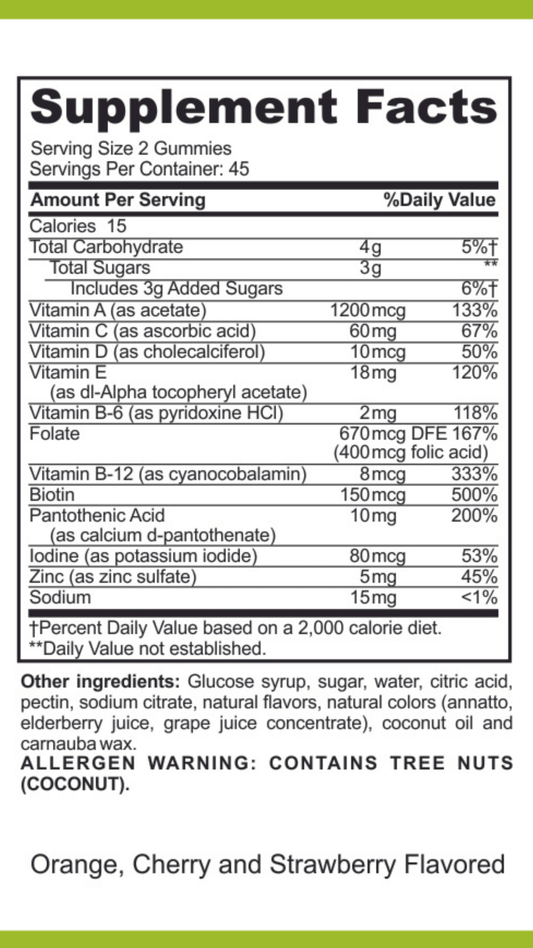
- Gummies: Like the Casa de Sante's Advanced Vitamin & Mineral Complex, which is gentle on the stomach and flavored with real fruit without harsh fillers.
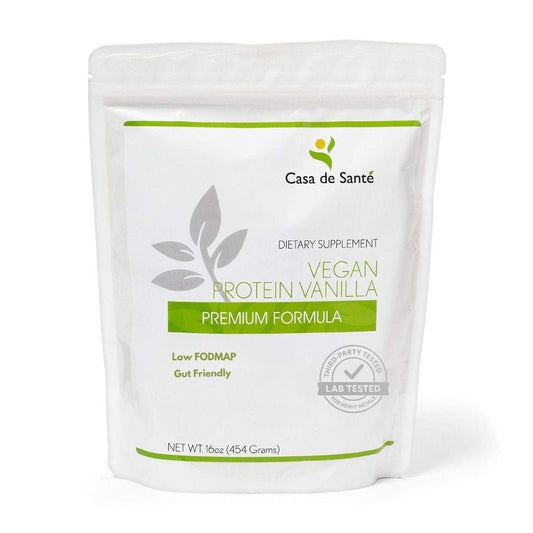
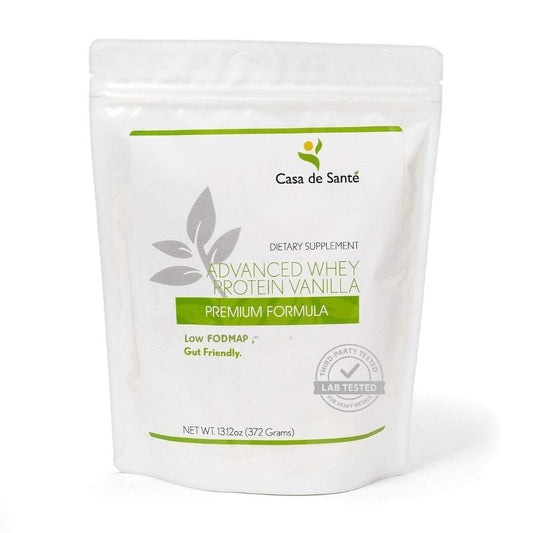
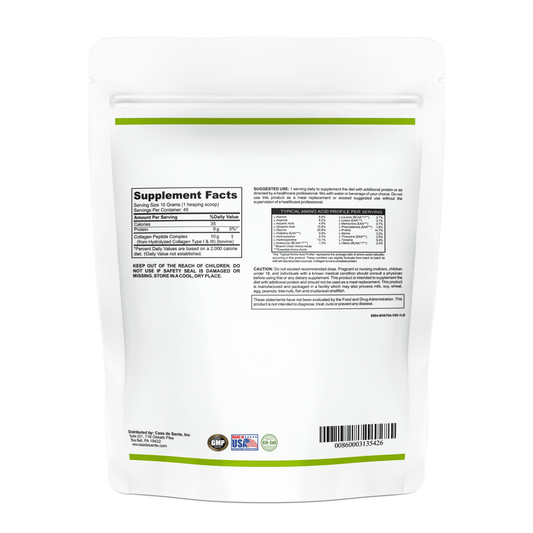
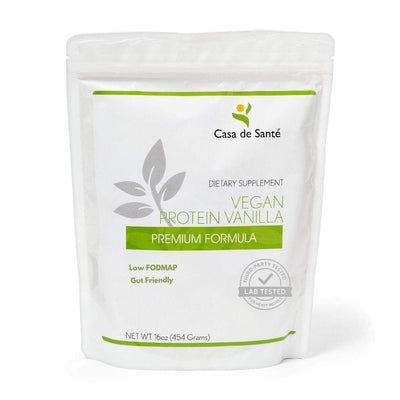
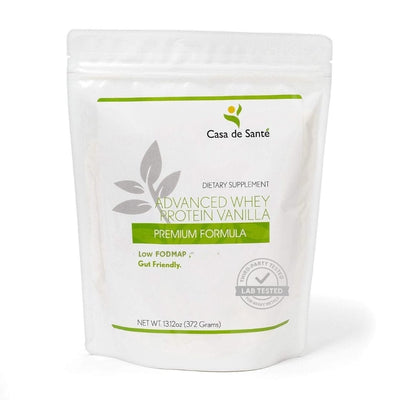
- Powders: These can be easier to digest than pills for some people.
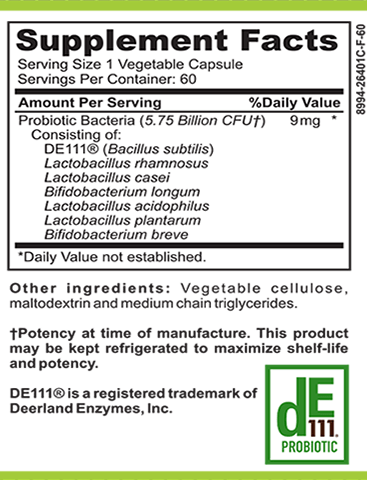
- Low FODMAP options: Consider supplements specifically designed for sensitive digestive systems.
When to Seek Professional Advice
Potential Underlying Conditions
If bloating persists even after adjusting your vitamin intake, other health issues may be at play. Conditions such as IBS, food intolerances, or even gut infections can cause recurring bloating. It's best to seek professional advice to rule these out.
Identifying Food Sensitivities
Plus to reviewing vitamin intake, consider testing for food sensitivities, as certain foods can exacerbate bloating. A healthcare provider can recommend suitable tests to identify problem areas if necessary.
Conclusion
Bloating linked to vitamin intake doesn't have to be a mystery. By understanding the types of vitamins involved, tracking your symptoms, and consulting a healthcare professional, you can manage or eliminate discomfort. If you've struggled with standard multivitamins or have a sensitive digestive system, say yes to daily nutrition that loves your gut back, grab Casa de Sante's Advanced Vitamin & Mineral Complex and get complete, gentle support in two tasty gummies a day. Your gut (and your goals) will thank you.
Key Takeaways
- Track your dietary intake meticulously to determine if specific vitamins are causing bloating.
- Common culprits for bloating can include high doses of Vitamin C, iron, and certain B vitamins.
- Take vitamins with meals to improve absorption and reduce the likelihood of bloating.
- Consider switching to gentler supplement forms, such as gummies or powders, for easier digestion.
- Consult with a healthcare professional if bloating persists to rule out underlying health issues.