Are You Tired of Painful Gas After Dessert? Discover the Secrets to Relief
Experiencing painful gas and pressure after indulging in dessert can be frustrating and embarrassing. By understanding the underlying causes, you can take effective steps to relieve discomfort and embrace food enjoyment once again. Let's explore how to turn those painful moments into pleasant dining experiences.
Understanding Digestive Discomfort
Digestive discomfort is a common issue that many people face, particularly after meals that involve rich foods, sugary treats, or heavy portions. This discomfort often manifests as painful gas and pressure, leading to an overall sense of unease. Understanding how your digestive system works can help you identify why you experience such symptoms, especially after meals that typically include desserts.
Your digestive system breaks down food using acids and enzymes in your stomach and intestines. If this process is interrupted, due to factors such as food intolerances or enzyme deficiencies, gas can build up in your digestive tract, causing painful bloating and discomfort. Recognizing the signals your body sends can lead to better dietary choices and relief from these unpleasant symptoms.
Common Causes of Gas and Pressure
Several factors can contribute to gas and pressure in your digestive system:
- Air Swallowing: Eating too quickly can cause you to swallow air, which can lead to gas buildup.
- Food Intolerances: Lactose or gluten intolerance can lead to difficulty in digesting certain foods, resulting in gas and bloating.
- Fermentable Carbohydrates: Foods high in FODMAPs, such as certain beans, fruits, and sweeteners, can lead to increased gas production during digestion.
- High-Fat Meals: Fatty foods can slow down digestion, which may cause gas to accumulate in the intestines.
Recognizing these causes can empower you to make more informed dining decisions.
The Role of Dietary Choices
Your dietary choices play a crucial role in managing gas and pressure.
Identifying Trigger Foods
Discovering which foods cause discomfort for you is essential. Keep a food diary to track what you eat and note any symptoms that arise afterward. Foods commonly known to cause gas include:
- Certain legumes (beans, lentils)
- Cruciferous vegetables (broccoli, cauliflower)
- Dairy products (if lactose intolerant)
- Sugary snacks, particularly those containing high-fructose corn syrup or sugar alcohols
The Impact of Sugars and Fats
Desserts often balance sugars and fats, both of which can contribute to bloating and gas. Sugars, particularly those that are not fully absorbed, are fermented by gut bacteria, leading to gas production. Similarly, high-fat foods can cause delays in stomach emptying, allowing more time for gas to accumulate.
Timing and Eating Habits
How and when you eat also affects your digestive health.
- Mindful Eating: Take your time when eating and focus on chewing thoroughly. This breaks food down into smaller particles, aiding digestion and minimizing gas production.
- Regular Meals: Establishing regular meal times can help your digestive system work more efficiently. Skipping meals can lead to overeating later, which can trigger gas and pressure.
Managing Symptoms Effectively
To manage discomfort and alleviate symptoms:
- Stay Hydrated: Drinking water throughout the day supports digestion.
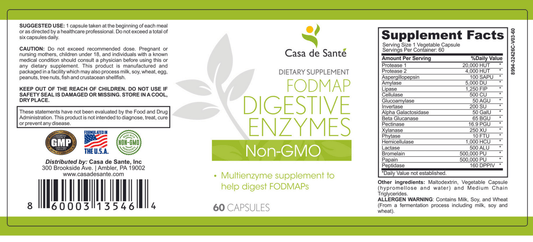
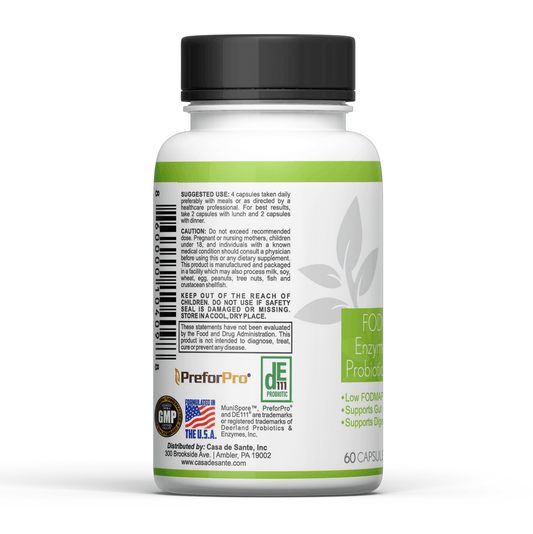
- Consider Digestive Enzymes: Products like Casa de Sante's FODMAP Digestive Enzymes, can aid in breaking down complex proteins, fats, and sugars, helping to reduce gas and bloating. These enzymes allow you to enjoy foods without worrying about painful symptoms afterwards.
Enjoy your favorite foods again, without the bloat. Casa de Sante's FODMAP Digestive Enzymes is your go-to solution for calm, confident digestion.
- Moderate Portions: Eating smaller, more frequent meals can reduce the burden on your digestive system, preventing the buildup of gas.
When to Seek Medical Advice
If gas and pressure after meals are persistent or become severe, it may be time to consult a healthcare professional. Look for signs such as:
- Severe abdominal pain
- Symptoms lasting longer than a few hours
- Changes in bowel habits
- Unintentional weight loss
These symptoms could indicate an underlying health condition that requires medical assessment.
Conclusion
Experiencing painful gas and pressure after indulging in dessert doesn't have to be a permanent issue. By understanding your body's reactions, identifying trigger foods, and managing your dietary choices, you can reclaim your dining experiences and enjoy food with confidence.
By incorporating digestive support, like Casa de Sante's FODMAP Digestive Enzymes, you're taking significant steps toward a bloat-free lifestyle. Celebrate food and freedom with every bite.
Key Takeaways
- Understanding the causes of painful gas and pressure can help you make informed dietary choices to enhance your dining experience.
- Common triggers for gas include eating too quickly, food intolerances, and high-fat meals that slow digestion.
- Keeping a food diary can help you identify specific foods that cause discomfort, allowing you to enjoy desserts without unpleasant symptoms.
- Mindful eating and regular meal times can significantly reduce digestive issues related to gas and bloating.
- Stay hydrated and consider using digestive enzymes like Casa de Sante's FODMAP Digestive Enzymes to support digestion and minimize discomfort.