Are You Missing Out? The Hidden Vitamin Deficiencies from GLP-1 Medications
If you're on GLP-1 medications for weight management or diabetes, you might need to pay closer attention to your vitamin intake. While these medications offer significant benefits, they can also lead to unexpected nutritional gaps. Let's jump into understanding how this works and what you can do about it.
Understanding GLP-1 Medications
Mechanism of Action
GLP-1, or glucagon-like peptide-1, is a hormone that plays a crucial role in glucose metabolism. These medications mimic GLP-1's action, helping to lower blood sugar levels by enhancing insulin secretion and suppressing glucagon release. They also slow gastric emptying, which can contribute to a feeling of fullness, aiding in weight loss.
Common Uses and Benefits
GLP-1 medications are primarily used for managing type 2 diabetes and obesity. They help regulate blood sugar levels and promote weight loss. Plus to these primary benefits, users often report improved cardiovascular health and reduced appetite, making them a popular choice for many seeking better health outcomes.
The Link Between GLP-1 Medications and Vitamin Deficiencies
Types of Vitamins Affected
While GLP-1 medications provide numerous advantages, one downside is their potential to interfere with the absorption of certain vitamins. Commonly affected vitamins include:
- Vitamin B12: Essential for nerve function, and its deficiency can lead to fatigue and neurological issues.
- Folate: Important for cell function and tissue growth, its lack can result in anemia and other health issues.
- Vitamin D: Crucial for bone health and immune function: insufficient levels can lead to various health problems.
Symptoms of Vitamin Deficiencies
You might notice symptoms like fatigue, weakness, and mood changes, which could indicate a vitamin deficiency. These symptoms can be subtle and easy to overlook, especially if you are focused on managing your diabetes or weight.
Risk Factors for Developing Deficiencies
Importance of Monitoring Vitamin Levels
Several factors increase the risk of vitamin deficiencies while on GLP-1 medications:
- Dietary Restrictions: If you're on a low-carb or restrictive diet, it can further limit vitamin intake.
- Long-Term Use: Prolonged use of GLP-1 medications without monitoring can exacerbate deficiency risks.
- Individual Health Conditions: Your overall health and pre-existing conditions can affect nutrient absorption.
Monitoring vitamin levels through routine blood tests is crucial to catch deficiencies early and adjust your supplementation and dietary strategies accordingly.
Recommended Supplements and Diet Adjustments
Consulting Healthcare Professionals
Before starting any supplement regimen, it's essential to consult with healthcare professionals. They can provide personalized advice on necessary vitamin supplementation based on your individual health status and dietary habits.
Personalizing Treatment Plans
You may need to adjust your diet to include more vitamin-rich foods like leafy greens (for folate), dairy and fortified foods (for vitamin D), and animal products (for vitamin B12). Pairing these dietary adjustments with a quality multivitamin can also help fill any nutritional gaps.
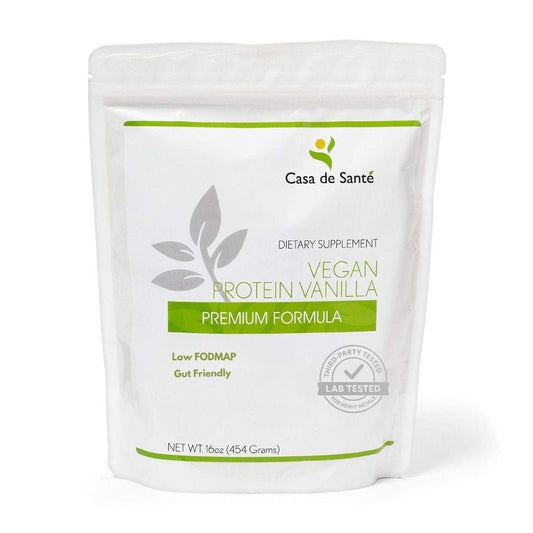
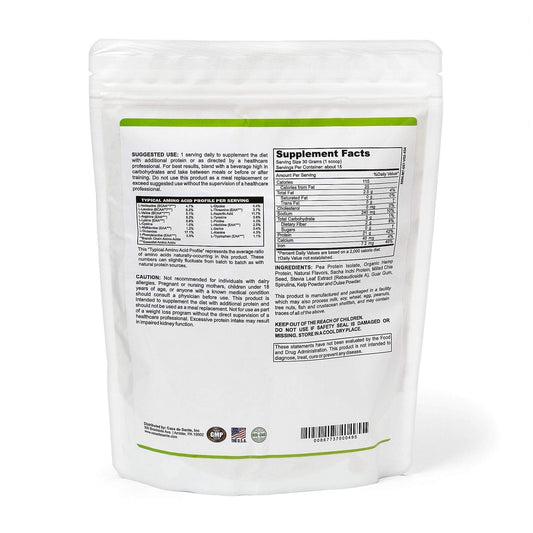
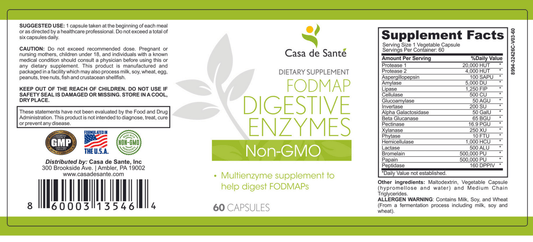
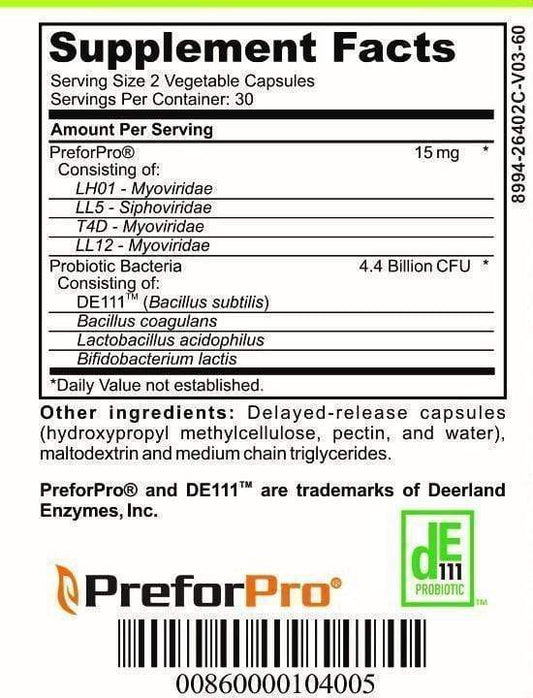
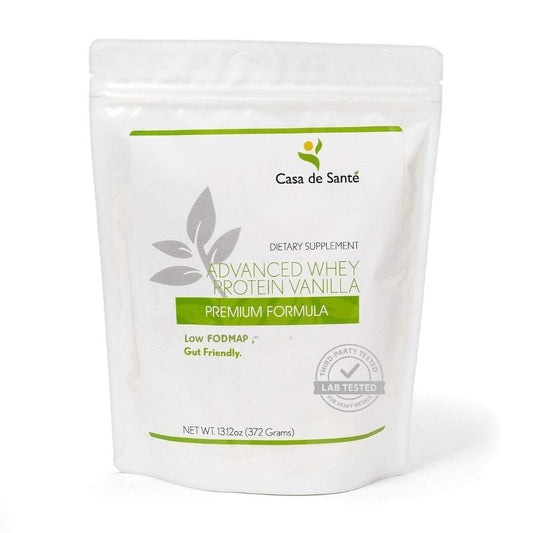
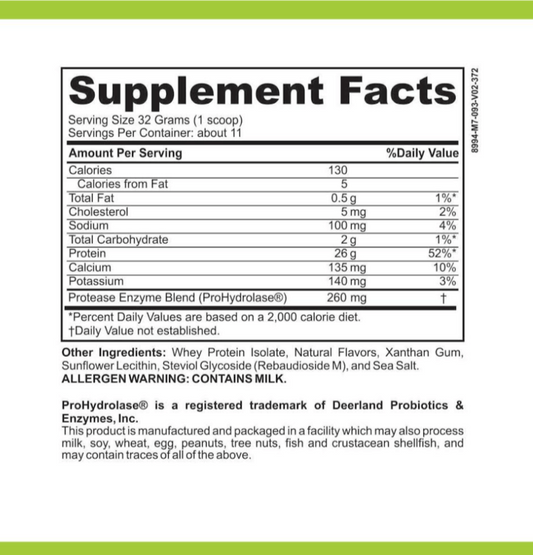
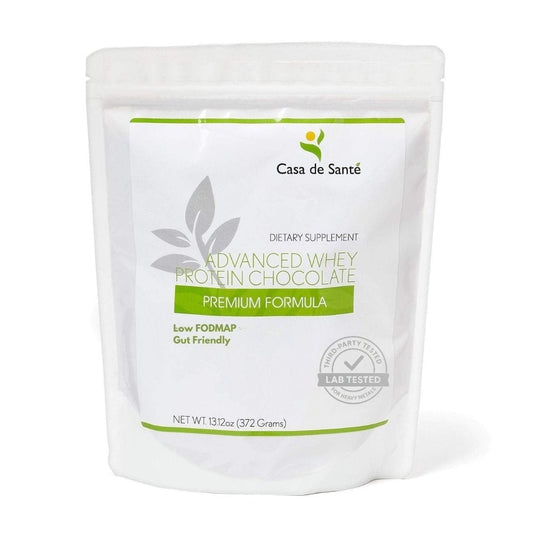
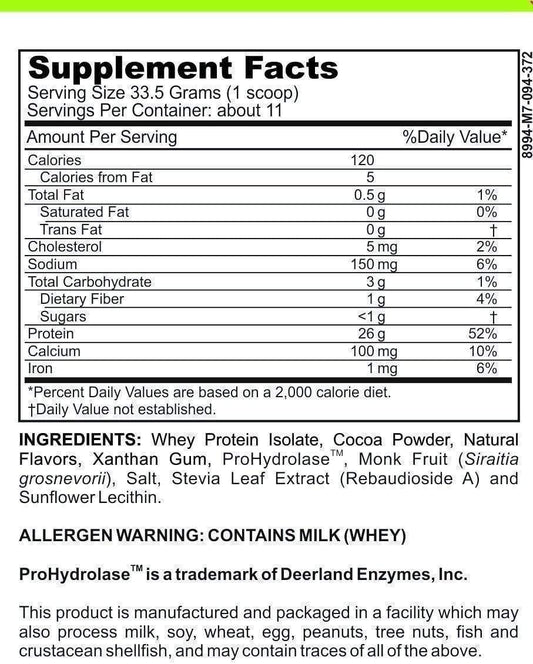
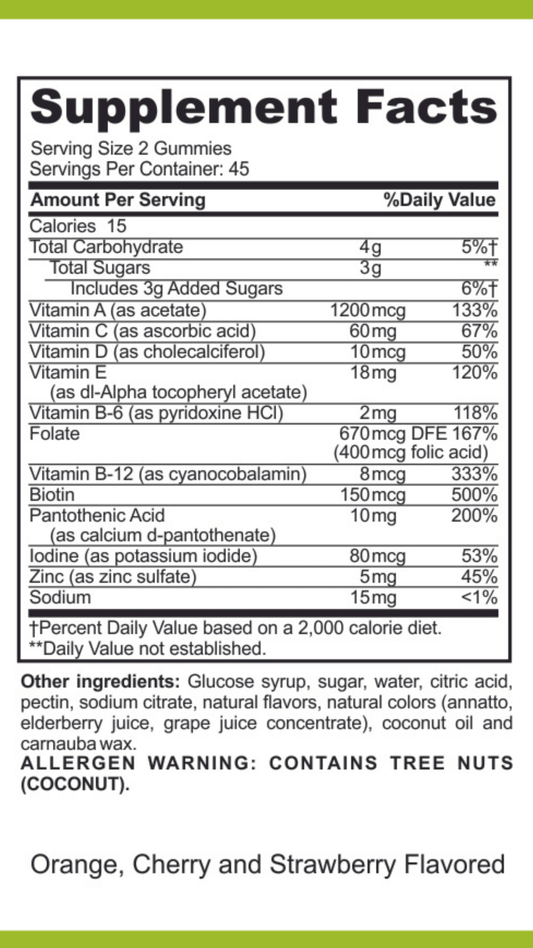
Say yes to daily nutrition that loves your gut back, grab Casa de Sante's Advanced Vitamin & Mineral Complex and get complete, gentle support in two tasty gummies a day. Each serving delivers essentials like Vitamins A, C, D, E, B6, B12, Folate, Biotin, Zinc, and Iodine in a highly absorbable, Low FODMAP, pectin-based gummy that's easy on sensitive stomachs, no artificial sweeteners, major allergens, or harsh fillers. Made in a cGMP facility and flavored with real fruit (elderberry, grape, annatto), it's the simple, feel-good way to nourish immunity, energy, skin, and thyroid support, without the digestive drama. If you've struggled with standard multivitamins or you follow Low FODMAP, Paleo, or Keto diets, this one was made for you. Ready to feel the difference? Start with 2 gummies daily, your gut (and your goals) will thank you. Add to cart now: Casa de Sante.
Conclusion
Summarizing, while GLP-1 medications can transform your health, they may also lead to nutrient deficiencies if not managed properly. Make a point to monitor your vitamin levels, consult healthcare professionals, and consider using targeted supplements to ensure you're getting the essential nutrients your body needs. With the right approach, you can maximize the benefits of GLP-1 therapy while safeguarding your health.
Key Takeaways
- GLP-1 medications can improve weight management and diabetes control but may lead to vitamin deficiencies, particularly in B12, Folate, and D.
- Symptoms of vitamin deficiencies like fatigue and mood changes can be subtle, so monitoring your vitamin levels is essential while on GLP-1 treatments.
- Dietary restrictions and long-term use of GLP-1 medications increase the risk of nutrient gaps, highlighting the importance of personalized dietary adjustments.
- Consulting healthcare professionals is crucial before starting any vitamin supplementation to ensure you're meeting your individual health needs.
- Incorporating vitamin-rich foods and high-quality multivitamins can help mitigate the risks associated with vitamin deficiencies while on GLP-1 medications.