Are Digestive Enzymes Good for the Liver? The Surprising Truth Behind Gut & Liver Health
Wondering if adding digestive enzymes to your routine could actually help your liver? You're not alone. With more people struggling with bloating, sluggish digestion, or worries about liver health, understanding the real connection between digestive enzymes and your liver is more important than ever. Let's cut through the confusion and see what the science (and your gut) have to say.
Understanding Digestive Enzymes and the Liver
Role of Digestive Enzymes in Digestion
Digestive enzymes are powerful proteins, mainly produced by your pancreas, stomach, and small intestine. They act like microscopic scissors, slicing carbs (with amylase), proteins (with protease), and fats (with lipase) into smaller pieces your body can actually use. Without enough enzymes, food sits in your gut undigested, leading to discomfort, bloating, and, crucially, extra work for your liver to clean up the mess.
Functions of the Liver in Digestion
Your liver isn't just a detox powerhouse: it's the busy headquarters for all things metabolism. It processes nutrients you absorb from food, gets rid of toxins, makes bile (to help you digest fats), stores glucose, makes vital proteins, and even metabolizes medications. While the liver doesn't make digestive enzymes itself, it does rely on them working upstream so it isn't overwhelmed with byproducts and incomplete digestion.
How Digestive Enzymes Interact With Liver Function
Natural Production of Enzymes in the Body
Your body is designed to produce digestive enzymes in the pancreas and the lining of the small intestine. The liver, but, has a different job: producing bile acids that help emulsify fats so enzymes can break them down efficiently. When this team effort runs smoothly, digestion is seamless and the liver is free to process nutrients and handle detox duties, not mop up after a sluggish gut.
Connections Between Enzyme Activity and Liver Health
If your digestive enzyme output falls short, more large food molecules hit the liver, which can increase the liver's workload and, even worse, feed gut bacteria, potentially leading to toxins that travel straight to the liver (think gut-liver axis.). Optimizing digestive enzyme activity can take pressure off the liver, potentially supporting healthy liver enzyme levels (like ALT and AST, markers used in liver tests). It's a partnership: healthy digestion equals a happier, less-stressed liver.
Potential Benefits of Digestive Enzymes for Liver Health
Alleviating Digestive Burden on the Liver
When you supplement with digestive enzymes, your gut is better equipped to break down the food you eat. That translates into more efficient nutrient absorption and less undigested material making its way to the liver. In cases of enzyme deficiency, or if you routinely feel weighed down after eating, a quality enzyme supplement may help lighten the load on your liver by limiting the formation of metabolic waste or toxins. This means less grunt work for your liver and, in some cases, healthier liver function overall.
Supporting Liver Function in Specific Conditions
The strongest benefits for the liver show up when enzyme production is impaired, such as in pancreatic insufficiency, celiac disease, or certain digestive disorders. There's also emerging evidence that digestive enzymes can have an indirect positive effect on conditions like non-alcoholic fatty liver disease (NAFLD) by supporting better gut health and reducing low-grade inflammation. But let's be clear: while enzymes may support the liver, they don't treat liver disease directly. Their main role is to support digestion and overall metabolic harmony.
Risks and Considerations When Using Digestive Enzymes
Possible Side Effects and Contraindications
Digestive enzymes are generally safe, but like any supplement, they aren't for everyone. You might experience minor side effects such as bloating, nausea, or diarrhea, especially if you don't really need them or take too much. In rare cases, allergic reactions can occur. Certain medical conditions, like pancreatitis, mean enzyme supplements are off-limits unless under strict medical guidance.
Interactions With Medications and Pre-Existing Conditions
Digestive enzyme supplements can interact with some medications (like blood thinners) or exacerbate existing health issues. If you're managing a chronic condition or taking prescription drugs, it's always best to clear any new supplement, including enzymes, with your healthcare provider first.
Recommendations and Best Practices
Who Might Benefit From Digestive Enzymes?
You might benefit from digestive enzyme supplements if you've been diagnosed with enzyme deficiencies, certain digestive disorders, or if you regularly experience bloating and discomfort after meals. People without these issues generally don't need extra enzymes, the body is usually up to the task on its own.
Safe Use and Choosing Quality Supplements
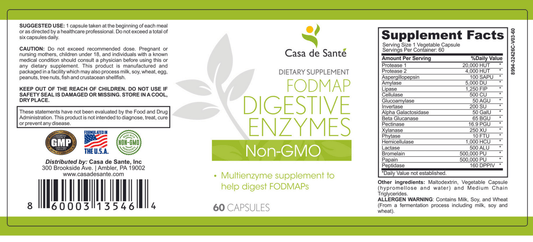
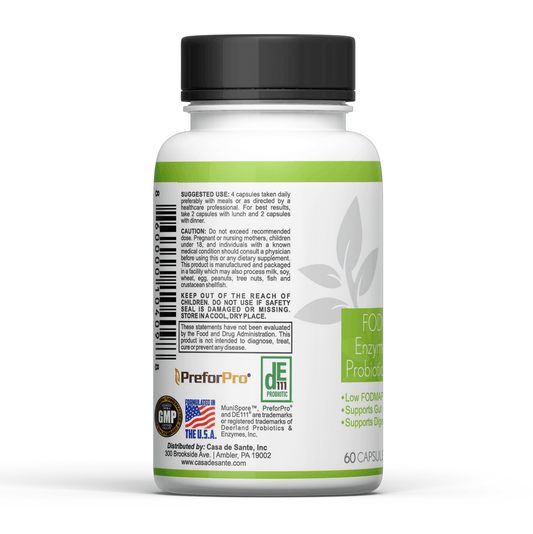
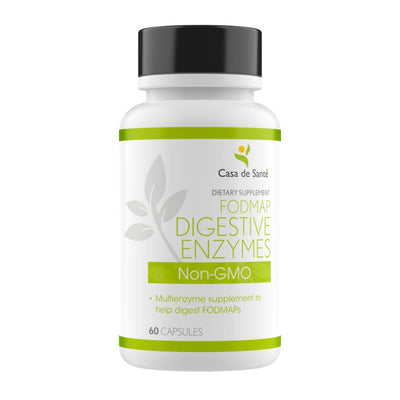
If you do decide to try digestive enzymes, look for products validated for safety, purity, and enzyme potency. Medical guidance is a must, especially if you have preexisting conditions. And don't settle for generic blends, advanced formulas like FODMAP Digestive Enzymes formulated by Dr Onyx MD PhD offer an 18-enzyme complex designed for fast, gentle relief from bloating and gas. Enjoy your favorite foods again, without the bloat. Feel light, comfortable, and confident after every meal. Unlock Your Food Freedom today.
Conclusion
Digestive enzymes on their own won't cure liver disease, but they can play an instrumental role in supporting liver health, especially if your own enzyme output isn't up to snuff. By making digestion more efficient, they can help reduce the detox and metabolic workload for your liver. If liver health or food freedom matter to you, paying attention to digestive enzymes is absolutely worth considering, just make sure you consult with a professional to tailor your approach. Your gut (and your liver) will thank you.
Key Takeaways
- Digestive enzymes can support liver health by improving digestion and reducing the liver’s metabolic workload.
- Enzyme supplementation may help individuals with enzyme deficiencies or digestive disorders, leading to less bloating and better nutrient absorption.
- The main benefit of digestive enzymes for the liver is indirect, supporting optimal digestion rather than treating liver disease directly.
- Potential side effects exist, and digestive enzyme supplements should only be used under medical guidance, especially with preexisting health conditions.
- Choosing a high-quality digestive enzyme supplement and consulting a healthcare professional are essential steps for safe and effective use.
Frequently Asked Questions About Digestive Enzymes and Liver Health
Are digestive enzymes good for the liver?
Digestive enzymes can support liver health by improving digestion and reducing the liver’s workload. By breaking down food efficiently, they help prevent undigested materials from reaching the liver, which may contribute to healthier liver function, especially for those with enzyme deficiencies.
How do digestive enzymes affect liver function?
Digestive enzymes enhance nutrient breakdown, meaning fewer toxins and metabolic byproducts reach the liver. When enzymes work efficiently, the liver has less to process, allowing it to focus effectively on detoxifying and nutrient metabolism rather than cleaning up after poor digestion.
Can taking digestive enzymes help with fatty liver disease?
While digestive enzymes don’t directly treat liver diseases like non-alcoholic fatty liver disease (NAFLD), they may have an indirect positive effect by improving gut health and reducing inflammation. This can potentially support liver function, but enzymes aren’t a replacement for medical treatment.
Who should consider digestive enzyme supplements to support liver health?
Those diagnosed with enzyme deficiencies, digestive disorders, or chronic bloating may benefit most from digestive enzyme supplements. People with typical digestion usually don’t need extra enzymes, as the body typically produces enough on its own.
Are there risks to using digestive enzymes for liver health?
Digestive enzymes are generally safe, but they can cause side effects like bloating, nausea, or diarrhea in some people. They may also interact with certain medications or be inappropriate for specific conditions like pancreatitis. Always consult a healthcare provider before starting supplements.
What’s the best way to choose a digestive enzyme supplement for liver support?
Look for supplements tested for safety and potency from reputable sources. Choose formulations that address your needs and seek professional guidance if you have underlying health conditions or are on medications.