Can you overdose on digestive enzymes?





Yes, you can take too many digestive enzymes, but there is no single overdose amount that applies to every supplement or prescription product. The risk depends on the ingredients, enzyme activity, amount taken, and your health; stomach upset alone does not prove an overdose. If you have already taken more than directed, call U.S. Poison Control at 1-800-222-1222 for product-specific advice; call 911 for trouble breathing, collapse, or a seizure.
- Can you overdose on digestive enzymes? Yes; no universal capsule count separates a safe dose from an overdose.
- U.S. Poison Control provides product-specific advice after an extra dose; do not wait for symptoms.
- Prescription pancreatic enzymes and over-the-counter digestive enzyme supplements have different dosing rules and risks.
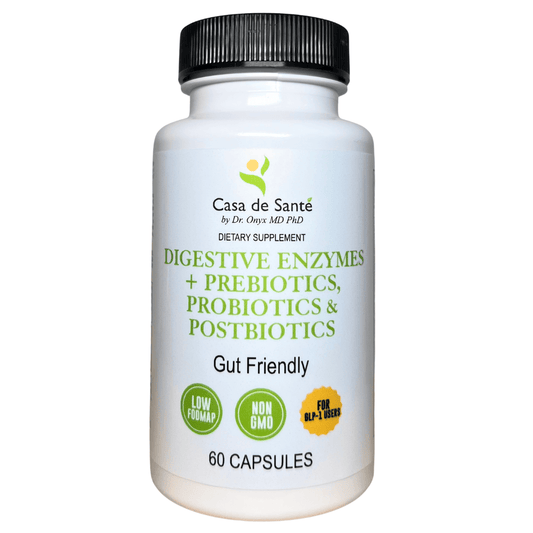
- Casa de Sante digestive enzymes suit Low FODMAP shoppers seeking meal-related support, not treatment for a suspected overdose.
Can you overdose on digestive enzymes?
Yes. Taking more than the label or prescription directs can cause harm, and different enzyme products are not interchangeable. An extra capsule does not automatically mean severe poisoning, but you should not decide that it is harmless from the capsule count alone.
If you are asking about repeated use rather than an immediate dosing mistake, read about whether digestive enzymes are safe long term. Daily use and an accidental excess dose require different decisions.
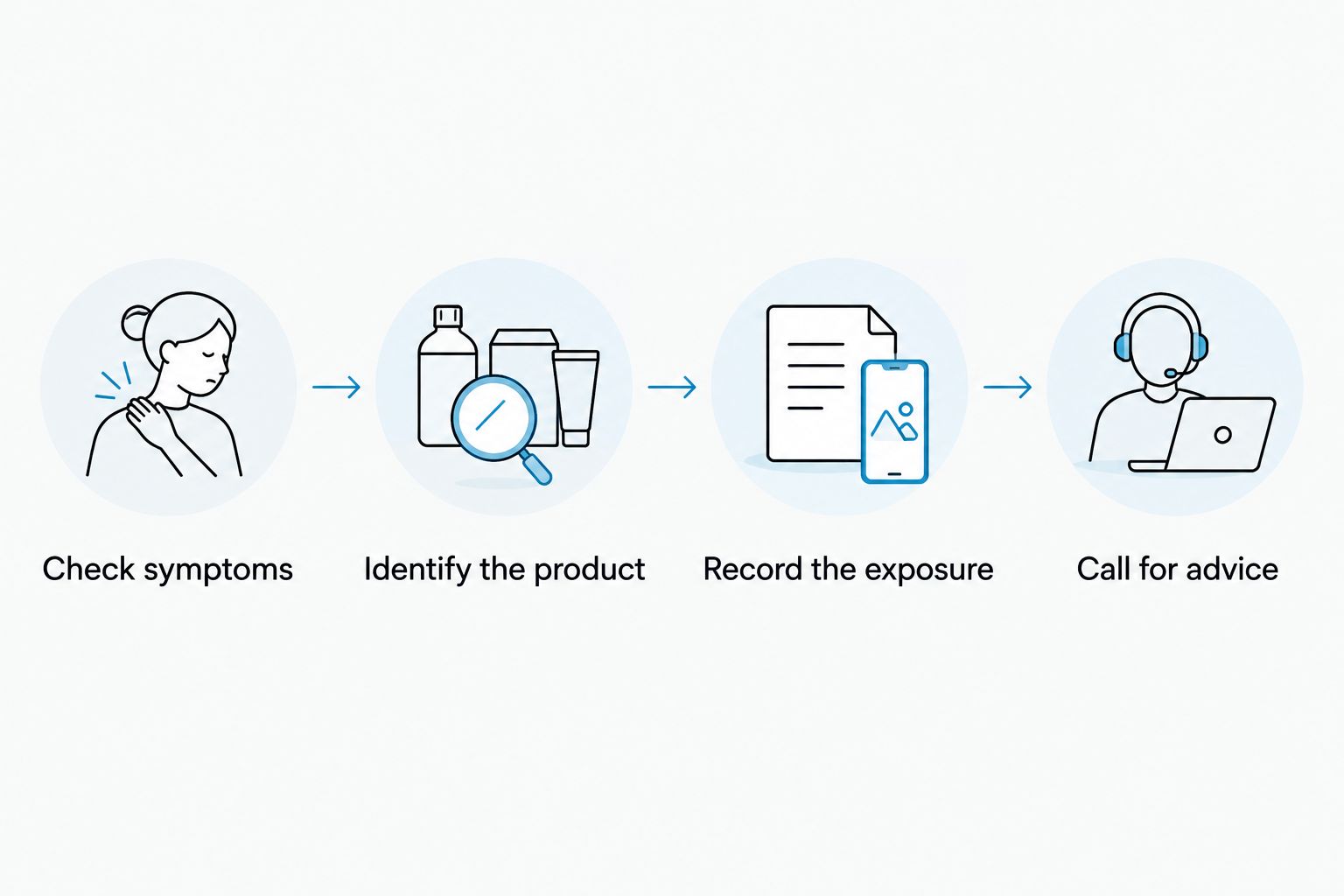
For an excess dose in 2026, take these steps:
- Check for emergency symptoms. Call 911 for breathing difficulty, collapse, a seizure, or inability to wake the person. Do not make a severely drowsy person swallow anything.
- Identify the product. Keep the container, ingredient list, Supplement Facts or prescription label, and any remaining capsules available.
- Record the exposure. Note the amount taken, when it happened, the person's age and weight, and any symptoms. Include other medicines or supplements taken at the same time.
- Call Poison Control. In the United States, call 1-800-222-1222, even if symptoms have not started. For an exposure involving a child, do not estimate safety from an adult serving size.
- Get instructions before taking more. Do not induce vomiting or try a home antidote. If you use prescribed pancreatic enzymes, ask specifically what to do about your next meal and scheduled dose.
The useful sequence is check symptoms, identify the product, record the exposure, and call for advice. Keep the packaging with you so the person advising you can assess the actual formulation rather than a general product category.
Why this matters
Digestive symptoms are easy to misread. Cramping after a meal can come from the meal, an underlying condition, a supplement ingredient, or an adverse reaction; taking more enzymes does not establish which explanation is correct.
For your 2026 supplement routine, treat the label as a dosing boundary, not a starting point for experimentation. Persistent bloating is a reason to reassess the cause, not permission to keep adding capsules.
Why digestive enzyme overdose risk varies
The product name alone does not describe the exposure. These factors determine what information a pharmacist, clinician, or poison specialist needs:
- Enzyme identity. Lactase, alpha-galactosidase, protease, and pancreatic enzymes act on different substances and have different safety considerations.
- Enzyme activity. Activity units describe enzyme function; capsule size and milligrams do not provide an equivalent comparison across formulations.
- Other ingredients. Some digestive products also contain betaine hydrochloride, bile ingredients, herbs, or probiotics. The entire formulation matters.
- Amount and timing. A dosing error at one meal and repeatedly exceeding directions are different exposure patterns.
- Your health and medicines. Allergies, kidney problems, pancreatic disease, and other treatments affect the assessment.
- Who took it. A child's exposure requires its own assessment. Adult directions do not establish a safe pediatric dose.
A bottle's claim about digestive comfort does not answer any of these questions. Read the actual ingredient panel and directions when reporting an exposure.
Over-the-counter enzymes and prescription enzymes differ
Prescription pancreatic enzyme replacement therapy treats pancreatic enzyme insufficiency. Over-the-counter products sold for meal-related digestive support are not substitutes for that treatment.
| Product category | Best for | Useful role | Limitation or safety concern |
|---|---|---|---|
| Lactase supplements | People with lactose intolerance eating lactose-containing food | Helps break down lactose | Does not prevent a milk-protein allergic reaction |
| Alpha-galactosidase supplements | People seeking help digesting certain carbohydrates in foods such as beans | Helps break down galacto-oligosaccharides | Does not address every FODMAP or every cause of gas |
| Multi-enzyme supplements | People whose clinician or pharmacist identifies a suitable meal-related use | Combines enzymes with different targets | Formulations vary; more ingredients complicate exposure assessment |
| Prescription pancreatic enzymes | People with diagnosed pancreatic enzyme insufficiency | Replaces insufficient pancreatic digestive enzymes | Requires individualized prescribing and monitoring; excess dosing carries specific risks |
Do not convert a prescription dose into an over-the-counter capsule count. Even products with similar ingredient names can differ in activity, delivery, and instructions.
Prescription pancreatic enzymes have specific high-dose warnings
FDA-approved pancrelipase labeling warns about fibrosing colonopathy, a serious bowel complication associated with high-dose pancreatic enzyme use, particularly in children with cystic fibrosis. Labeling also describes concerns such as elevated uric acid with high doses and irritation when certain formulations are chewed or retained in the mouth.
Those warnings do not mean that an accidental extra supplement capsule causes fibrosing colonopathy. They show why prescription enzyme dosing needs its own assessment rather than a general reassurance about digestive supplements.
For prescription decisions in 2026, use the instructions for your exact medicine. Do not increase, crush, chew, or change how you take it unless its labeling or your prescriber permits that change.
What symptoms should you watch for?
Nausea, abdominal discomfort, diarrhea, or constipation can occur with digestive enzyme products. These symptoms are not specific enough to confirm an overdose or identify the ingredient responsible.
Severity matters more than whether the symptom sounds digestive. An allergic reaction can occur without exceeding the recommended amount, and a serious abdominal problem can be unrelated to the supplement.
When should you call emergency services?
Call 911 for trouble breathing, swelling that affects breathing or swallowing, collapse, a seizure, or inability to wake the person. Do not wait to calculate the dose before seeking emergency help.
Severe or worsening abdominal pain, repeated vomiting, bloody stool, or black, tarry stool also needs prompt medical assessment. Do not try to manage those symptoms by taking another digestive product.
What if you feel fine after an extra dose?
Feeling fine does not establish that an exposure is safe. Call Poison Control with the product details and follow the monitoring instructions you receive.
Do not create your own observation deadline from an online article. The appropriate response depends on what was taken, how much, and the person involved.
How many digestive enzyme capsules are too many?
There is no universal capsule limit. A capsule count is meaningful only alongside the exact formulation, activity, directions, and exposure details.
Do not compare bottles by the number of enzymes listed, either. An enzyme count describes formulation variety, not a maximum safe dose, strength, or evidence that a product will relieve your symptoms.
Avoid these dosing shortcuts:
- Taking another serving because the meal felt unusually heavy.
- Doubling a serving because the first serving did not relieve bloating.
- Using directions from a different brand or an older bottle.
- Combining digestive products without checking for duplicate ingredients.
- Treating a Low FODMAP label as permission to exceed directions.
For 2026 purchases, check the current label each time you change products. Similar names and familiar packaging do not guarantee identical instructions.
How do you check for overlapping enzyme ingredients?
Start with everything you take around meals, not just the bottle labeled digestive enzymes. Protein powders and combination gut-health supplements can also contain enzymes.
Write down each product's serving directions and enzyme ingredients, then show the labels to a pharmacist or clinician. Do not add unlike activity units together or assume that matching ingredient names mean matching strengths.
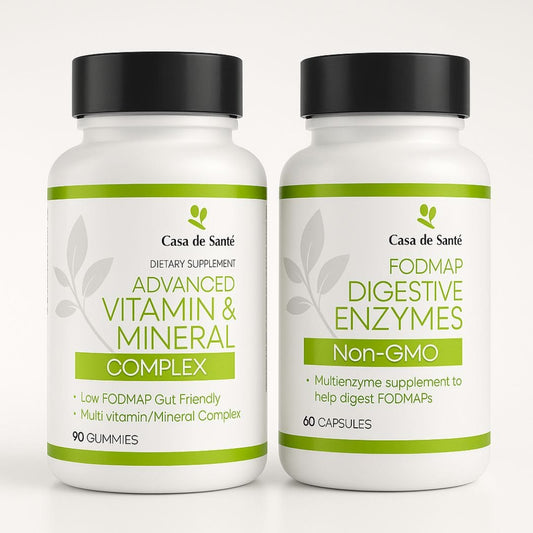
Casa de Sante's FODMAP Digestive Enzymes contains an 18-enzyme blend, including lactase and alpha-galactosidase. The relevant limitation is that an 18-enzyme blend does not establish an overdose threshold or make the product appropriate for every digestive symptom.
Casa de Sante digestive enzymes are best suited to Low FODMAP shoppers seeking meal-related support, not emergency treatment or prescription enzyme replacement. Use the product's directions and seek individual advice when symptoms persist.
Physician formulation does not replace dose-specific medical guidance. If Casa de Sante products are part of your routine, include them when you report all supplements and medicines to the person assessing an exposure.
Can digestive enzymes cause diarrhea without an overdose?
Yes, digestive enzyme products can cause diarrhea or other unwanted symptoms even when taken as directed. A reaction does not automatically mean that you took a toxic amount.
Stop adding extra doses to chase relief and contact a clinician or pharmacist about the product. If you take prescribed pancreatic enzymes, ask the prescriber how to manage symptoms without disrupting necessary treatment.
Can you take more enzymes if you still feel bloated?
No—ongoing bloating is not a reliable signal that you need a higher dose. The enzyme might not match the food involved, or the symptoms might have another cause.
For example, lactase targets lactose, not every ingredient in a dairy-containing meal. Enzymes also do not treat every cause of IBS symptoms, and they do not replace evaluation for suspected SIBO or pancreatic disease.
Are digestive enzymes a solution for GLP-1 side effects?
Digestive enzymes do not reverse the delayed stomach emptying associated with GLP-1 medicines. Do not keep increasing an enzyme supplement to manage persistent nausea, vomiting, or abdominal pain while taking Ozempic, Wegovy, or Mounjaro.
Contact your prescriber about persistent symptoms. Severe abdominal pain or an inability to keep fluids down needs prompt medical assessment rather than another supplement dose.
Safety references for 2026
U.S. Poison Control's poisoning first-aid guidance supports contacting a poison specialist after a suspected exposure and avoiding induced vomiting. FDA-approved pancrelipase prescribing information addresses prescription-specific dosing, fibrosing colonopathy, hyperuricemia, and administration precautions.
The National Institute of Diabetes and Digestive and Kidney Diseases explains pancreatic enzyme replacement therapy in its guidance on exocrine pancreatic insufficiency. These references concern different situations; none provides a universal overdose threshold for every over-the-counter enzyme blend.
FAQ
What should I do if I accidentally took too many digestive enzymes?
Call U.S. Poison Control at 1-800-222-1222 with the bottle, amount taken, and timing. Call 911 for trouble breathing, collapse, a seizure, or inability to wake the person; do not induce vomiting.
Is taking an extra digestive enzyme capsule always dangerous?
An extra capsule does not automatically mean severe poisoning, but the capsule count alone cannot establish safety. Poison Control can assess the exact ingredients, amount, and person involved.
Can you overdose on digestive enzymes even if they are Low FODMAP?
Yes, a Low FODMAP designation does not make excess dosing safe. It does not establish an overdose threshold or rule out reactions to other ingredients.
Should I skip my next prescription pancreatic enzyme dose after taking too much?
Ask Poison Control or your prescriber what to do about the next dose. Do not make an ongoing change to necessary pancreatic enzyme treatment based on general supplement advice.
Can children take the same digestive enzyme dose as adults?
Adult directions do not establish a safe dose for a child. Contact Poison Control promptly after an accidental childhood exposure and provide the child's age, weight, and product details.
Can digestive enzymes cause an allergic reaction at the recommended dose?
Yes, an allergic reaction can occur without an overdose. Breathing difficulty or swelling affecting breathing or swallowing requires emergency care.
Can I combine digestive enzymes with a protein powder that contains enzymes?
Have a pharmacist or clinician check both labels before combining them. Enzyme ingredients can overlap, and different activity units cannot be compared by capsule or scoop count alone.
One last thing
The most useful thing to bring to an exposure assessment is the bottle—not a guess about how strong the product is. Photograph the full ingredient panel, directions, and prescription label if applicable, and record the time taken.
Keep those details available when you call. A Low FODMAP claim, an enzyme count, or a familiar brand name cannot substitute for the actual formulation.