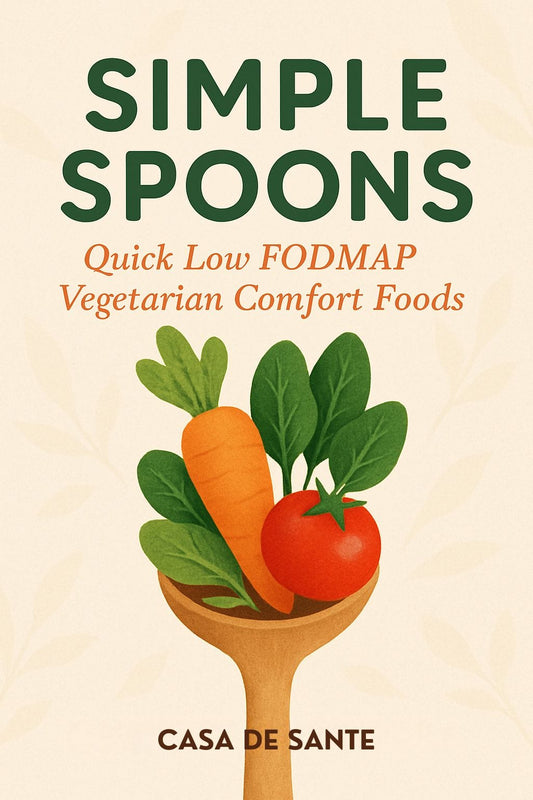
Is Plant Based Protein Low FODMAP






Is Plant Based Protein Low FODMAP
Plant-based protein has gained significant popularity in recent years. Not only is it a great option for vegans and vegetarians, but it also offers numerous health benefits for those looking to incorporate more plant-based foods into their diet. However, if you have been following a low FODMAP diet, you may be wondering whether plant-based protein is suitable for you. In this article, we will explore the connection between plant-based protein and FODMAPs, providing you with the information you need to make informed dietary choices.
Understanding FODMAPs
Before we delve into the relationship between plant-based protein and FODMAPs, it is important to understand what FODMAPs are and why they are significant. FODMAPs, which stands for Fermentable Oligosaccharides, Disaccharides, Monosaccharides, and Polyols, are a group of carbohydrates that are not easily digested by the body. When consumed in excess, FODMAPs can cause digestive discomfort, such as bloating, gas, and abdominal pain.
What are FODMAPs?
FODMAPs are naturally occurring carbohydrates found in a wide variety of foods. They include fructose (found in fruits and honey), lactose (found in dairy products), fructans (found in wheat and onions), galactans (found in legumes), and polyols (found in certain fruits and artificial sweeteners).
Fructose, a type of FODMAP, is a simple sugar found in many fruits and vegetables. It is also used as a sweetener in various processed foods and beverages. When consumed in excess, fructose can be difficult for the body to absorb, leading to digestive symptoms in some individuals.
Lactose, another type of FODMAP, is a sugar found in milk and dairy products. It requires an enzyme called lactase to be properly digested. Some individuals have low levels of lactase, leading to lactose intolerance and digestive symptoms when consuming lactose-containing foods.
Fructans, a type of FODMAP found in wheat, onions, and other foods, are chains of fructose molecules linked together. They can be difficult for the body to break down, leading to digestive symptoms in sensitive individuals.
Galactans, found in legumes such as beans, lentils, and chickpeas, are another type of FODMAP. Like fructans, they are chains of sugar molecules that can be challenging for the body to digest, causing digestive symptoms in some people.
Polyols, the last category of FODMAPs, are sugar alcohols found in certain fruits, such as apples and pears, as well as in artificial sweeteners. They are not easily absorbed by the body and can cause digestive issues in some individuals.
Why are Low FODMAP Diets Important?
Low FODMAP diets have been shown to be effective in managing symptoms of irritable bowel syndrome (IBS), a common gastrointestinal disorder characterized by chronic digestive issues. By eliminating high FODMAP foods from the diet, individuals with IBS can often experience relief from symptoms and an improvement in their quality of life.
Following a low FODMAP diet involves avoiding or limiting foods that are high in FODMAPs. This can include reducing or eliminating certain fruits, vegetables, grains, dairy products, and sweeteners from the diet. It is important to note that the low FODMAP diet is not meant to be followed long-term, but rather as a short-term elimination phase followed by a reintroduction phase to identify specific trigger foods.
During the reintroduction phase, high FODMAP foods are gradually reintroduced one at a time to determine which ones trigger symptoms. This personalized approach allows individuals to identify their specific trigger foods and create a more individualized diet plan that minimizes symptoms while still providing a balanced and varied diet.
It is worth noting that while the low FODMAP diet can be effective for managing symptoms of IBS, it is not suitable for everyone. It is always recommended to work with a healthcare professional, such as a registered dietitian, to ensure that the diet is appropriate for individual needs and to receive guidance on how to properly follow the diet.
The Basics of Plant-Based Proteins
Plant-based proteins are derived from sources such as legumes, grains, nuts, and seeds. They offer a wide range of essential nutrients, including protein, fiber, vitamins, and minerals, all while being free from animal products. Plant-based proteins have been touted for their numerous health benefits, including lower risk of heart disease, diabetes, and obesity.
When it comes to plant-based proteins, the options are plentiful. From beans and lentils to chickpeas and tofu, there is a diverse variety to choose from. These protein sources not only provide the essential amino acids our bodies need but also offer additional health benefits such as antioxidants and anti-inflammatory properties.
Let's take a closer look at some of the different types of plant-based proteins:
Beans
Beans are a staple in many plant-based diets. They are not only a great source of protein but also packed with fiber, iron, and potassium. Whether you prefer black beans, kidney beans, or pinto beans, incorporating them into your meals can provide a nutritious boost.
Lentils
Lentils are another fantastic plant-based protein option. They are rich in protein, fiber, and folate, making them an excellent choice for vegetarians and vegans. Lentils come in various colors, such as green, red, and black, and can be used in soups, stews, salads, and even veggie burgers.
Chickpeas
Chickpeas, also known as garbanzo beans, are a versatile legume that can be used in a variety of dishes. They are a good source of protein, fiber, and iron. Whether you roast them for a crunchy snack or use them as the base for a delicious hummus, chickpeas are a nutritious addition to any plant-based diet.
Tofu
Tofu is a popular plant-based protein option for many vegetarians and vegans. Made from soybeans, tofu is not only a good source of protein but also contains essential amino acids. It is a versatile ingredient that can be used in stir-fries, salads, and even desserts.
Quinoa
Quinoa is a gluten-free grain that is considered a complete protein, meaning it contains all nine essential amino acids. It is also rich in fiber, iron, and magnesium. Quinoa can be used as a base for salads, added to soups, or enjoyed as a side dish.
Chia Seeds
Chia seeds are tiny powerhouses of nutrition. They are an excellent source of protein, fiber, omega-3 fatty acids, and antioxidants. These seeds can be added to smoothies, oatmeal, or used as an egg substitute in baking.
Hemp Seeds
Hemp seeds are another great plant-based protein option. They are rich in protein, omega-3 fatty acids, and minerals such as magnesium and iron. Hemp seeds can be sprinkled on top of salads, added to smoothies, or used in baking.
Not only are plant-based proteins rich in protein, but they also offer a wide range of other important nutrients. They are often low in saturated fat and cholesterol, making them an excellent choice for those looking to improve their heart health. Plant-based proteins are also high in fiber, which can aid in digestion and promote feelings of fullness.
Evaluating FODMAP Levels in Plant-Based Proteins
Now that we understand the basics of plant-based proteins and FODMAPs, let's explore how these two intersect. It is important to note that not all plant-based proteins are created equal when it comes to their FODMAP content. Some plant-based protein sources may contain higher levels of FODMAPs, while others may be low or FODMAP-free.
When evaluating the FODMAP levels in plant-based proteins, there are several factors to consider. One of these factors is the specific variety and ripeness of the fruit or vegetable used as a protein source. For example, certain varieties of apples may have higher FODMAP levels compared to others. Similarly, the ripeness of a banana can affect its FODMAP content, with riper bananas generally containing higher levels of FODMAPs.
Another factor that can influence FODMAP levels in plant-based proteins is the processing method used. Canning or fermenting fruits and vegetables can alter their FODMAP content. For instance, canned chickpeas may have higher FODMAP levels compared to fresh ones. Similarly, fermented soy products like tempeh or miso may have different FODMAP levels compared to their non-fermented counterparts.
Furthermore, the preparation and cooking methods used can impact the FODMAP content of plant-based proteins. For example, boiling vegetables may leach out some of their FODMAPs, resulting in lower levels. On the other hand, roasting or grilling vegetables can concentrate their FODMAP content, potentially increasing the levels.
Testing for FODMAP Levels
While understanding the FODMAP levels in plant-based proteins is crucial for individuals following a low FODMAP diet, it is worth noting that there are currently limited studies and data available on this topic. While some studies have examined the FODMAP content of common fruits, vegetables, and legumes, more research is needed to provide a comprehensive understanding of the FODMAP levels in plant-based proteins.
Researchers are actively working to expand the knowledge on FODMAP levels in plant-based proteins. They are conducting studies to analyze the FODMAP content of various plant-based protein sources, including legumes, grains, and alternative meat products. By analyzing the FODMAP levels in these foods, researchers aim to provide more accurate and detailed information to individuals who need to manage their FODMAP intake.
Additionally, advancements in testing methods are being made to improve the accuracy and efficiency of FODMAP analysis. These advancements include the development of specialized laboratory techniques and equipment that can detect and quantify FODMAPs in different food samples. These advancements will contribute to a better understanding of FODMAP levels in plant-based proteins and help individuals make informed dietary choices.
Plant-Based Proteins and FODMAPs: The Connection
When it comes to the question of whether plant-based proteins can be low FODMAP, the answer is both yes and no. Some plant-based protein sources, such as tofu, tempeh, and certain legumes, can be low in FODMAPs when consumed in moderation. However, others, such as chickpeas, lentils, and certain fruits, may contain higher levels of FODMAPs and should be consumed with caution.
Can Plant-Based Proteins be Low FODMAP?
Yes, certain plant-based proteins can be considered low FODMAP. Tofu and tempeh, for example, are made from soybeans and are generally well-tolerated by individuals following a low FODMAP diet. Additionally, some legumes, such as canned lentils and canned chickpeas, have lower FODMAP levels compared to their dried counterparts.
Common Misconceptions About Plant-Based Proteins and FODMAPs
There are some common misconceptions surrounding plant-based proteins and their FODMAP content. For instance, many people assume that all legumes are high in FODMAPs. While some legumes may be high in FODMAPs, others, such as canned lentils and canned chickpeas, can be included in a low FODMAP diet.
Incorporating Low FODMAP Plant-Based Proteins into Your Diet
Now that we have established that certain plant-based proteins can be low FODMAP, let's explore how you can incorporate them into your diet to reap their benefits while keeping your digestive system happy.
Tips for Choosing Low FODMAP Plant-Based Proteins
When selecting plant-based proteins to include in your low FODMAP diet, consider the following tips:
- Opt for tofu and tempeh as your primary protein sources. These are generally well-tolerated and versatile to cook with.
- Choose canned lentils and canned chickpeas over dried varieties, as they tend to have lower FODMAP levels.
- Experiment with quinoa, chia seeds, and hemp seeds to add variety to your diet and boost your protein intake.
- Be mindful of portion sizes. Even low FODMAP plant-based proteins should be consumed in moderation to avoid excessive FODMAP intake.
Creating a Balanced Low FODMAP, Plant-Based Diet
Incorporating low FODMAP plant-based proteins into your diet is just one piece of the puzzle. To create a balanced low FODMAP, plant-based diet, it is important to ensure you are also consuming a variety of other low FODMAP foods, such as fruits, vegetables, grains, and nuts. Consult with a registered dietitian who specializes in the low FODMAP diet to help you create a personalized meal plan that meets your nutritional needs.
In conclusion, plant-based protein can indeed be low FODMAP. By selecting the right plant-based protein sources, being mindful of portion sizes, and considering other low FODMAP foods in your diet, you can enjoy the benefits of a plant-based lifestyle while managing your FODMAP intake. Remember, knowledge is power, and understanding the connection between plant-based protein and FODMAPs is key to making informed dietary choices.