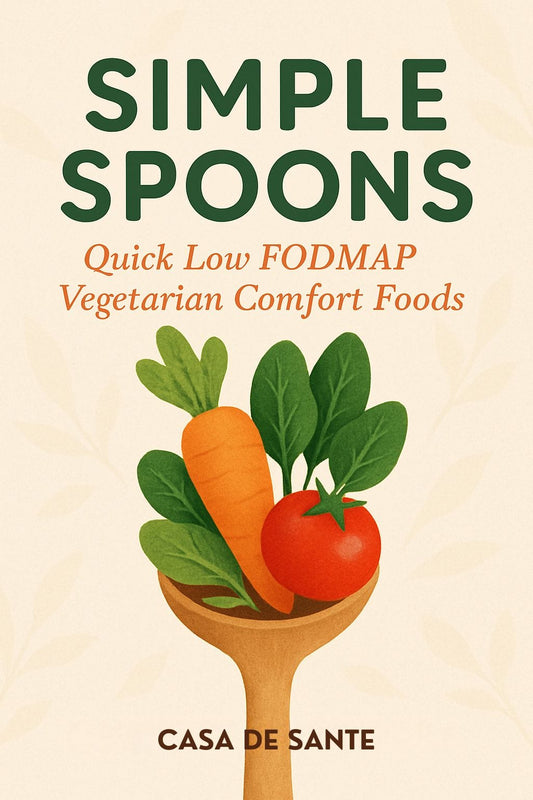
Meals For FODMAP Diet








Meals For FODMAP Diet
The FODMAP diet is gaining popularity as a way to manage digestive symptoms such as bloating, gas, and stomach pain. This article will provide an overview of the FODMAP diet, including what it is and who should follow it. We will also explore essential ingredients for a FODMAP diet and provide meal ideas for breakfast, lunch, dinner, and snacks. So if you're considering trying the FODMAP diet or simply looking for some new meal inspiration, keep reading!
Understanding the FODMAP Diet
Before we delve into the meals themselves, let's start by understanding what the FODMAP diet is all about. FODMAP stands for Fermentable Oligosaccharides, Disaccharides, Monosaccharides, and Polyols. This mouthful of a term refers to specific carbohydrates and sugar alcohols that can be difficult for some people to digest.
The FODMAP diet is an elimination diet that involves removing foods high in FODMAPs for a period of time and then gradually reintroducing them to identify which specific types of FODMAPs trigger digestive symptoms in each individual. By eliminating these triggers and customizing their diet, many people experience relief from their symptoms.
What is the FODMAP Diet?
The FODMAP diet involves avoiding or minimizing foods that are high in certain types of carbohydrates that are poorly absorbed by the body. These carbohydrates ferment in the gut, causing symptoms such as bloating, gas, and stomach pain. Foods high in FODMAPs include certain fruits and vegetables, grains and cereals, dairy products, and sweeteners.
For example, some fruits high in FODMAPs include apples, pears, and watermelon. Vegetables such as onions, garlic, and mushrooms also fall into this category. When it comes to grains and cereals, wheat and rye are common culprits. Even some dairy products like milk and yogurt can be high in FODMAPs. Lastly, sweeteners like honey and high fructose corn syrup should be avoided or consumed in moderation.
It is important to note that not all carbohydrates and sugar alcohols are considered FODMAPs. The FODMAP diet specifically targets those that are known to cause digestive issues in susceptible individuals.
Benefits of the FODMAP Diet
The FODMAP diet has been shown to be effective in managing symptoms of irritable bowel syndrome (IBS), a common digestive disorder. By reducing intake of FODMAP-rich foods, individuals with IBS may experience decreased bloating, gas, and stomach pain. Following the FODMAP diet can also help identify specific trigger foods, allowing for better control over symptoms.
Additionally, the FODMAP diet can improve overall gut health by reducing inflammation and promoting a healthier balance of gut bacteria. This can have a positive impact on digestion and overall well-being.
However, it is important to note that the FODMAP diet is not a long-term solution. It is meant to be followed for a specific period of time to identify trigger foods and then gradually reintroduce them to create a more personalized and sustainable diet plan.
Who Should Follow the FODMAP Diet?
The FODMAP diet is primarily recommended for individuals with digestive disorders such as IBS. If you frequently experience digestive symptoms like bloating, gas, abdominal pain, and altered bowel movements, it may be worth considering the FODMAP diet under the guidance of a healthcare professional.
It is essential to consult with a registered dietitian or nutritionist to ensure you are following the diet correctly and meeting your nutritional needs. They can help create a customized meal plan that takes into account your specific dietary restrictions and preferences.
While the FODMAP diet can be beneficial for those with IBS, it may not be suitable for everyone. If you do not have a diagnosed digestive disorder, it is important to speak with a healthcare professional before starting the diet to rule out any underlying conditions.
Remember, the FODMAP diet is not a one-size-fits-all approach. It requires careful monitoring and individualization to ensure optimal results and long-term success.
Essential Ingredients for a FODMAP Diet
Now that we have a good understanding of the FODMAP diet, let's explore some essential ingredients that can be included in meals while following this eating plan.
The FODMAP diet is a specialized diet that aims to reduce the intake of certain types of carbohydrates that can cause digestive symptoms in some individuals. By avoiding high FODMAP foods, individuals can alleviate symptoms such as bloating, gas, and abdominal pain.
When it comes to fruits and vegetables for the FODMAP diet, it's important to choose those that are low in FODMAPs. Some safe options include berries, citrus fruits, bananas, carrots, cucumbers, spinach, and bell peppers. These fruits and vegetables not only provide essential vitamins and minerals but also add color and flavor to meals.
In addition to these low FODMAP fruits and vegetables, it's important to note that portion sizes also play a role in the FODMAP diet. While some high FODMAP fruits and vegetables may be tolerated in small amounts, it's best to consult a healthcare professional or registered dietitian for personalized guidance.
Grains and cereals are a staple in many diets, but not all are suitable for the FODMAP diet. Good options for this diet include gluten-free grains like rice, quinoa, oats, and corn. These grains can be used to make a variety of delicious and nutritious dishes.
Rice, for example, can be used as a base for stir-fries or served alongside grilled chicken or fish. Quinoa is a versatile grain that can be used in salads, as a side dish, or as a protein-packed addition to vegetarian meals. Oats can be enjoyed as a warm bowl of porridge in the morning, while corn can be used to make gluten-free pasta dishes or added to soups and stews.
It's important to note that while these grains are generally well-tolerated on the FODMAP diet, some individuals may still experience symptoms. It's always best to listen to your body and make adjustments as needed.
Dairy can be problematic for individuals following the FODMAP diet due to lactose, a type of disaccharide. However, there are alternatives available that can be enjoyed without triggering symptoms.
Lactose-free dairy products, such as lactose-free milk and yogurt, are suitable options for those following the FODMAP diet. These products are made by adding lactase, an enzyme that helps break down lactose, to regular dairy products. They provide the same taste and texture as traditional dairy products but without the lactose.
For individuals who prefer non-dairy alternatives, there are plenty of options available. Almond milk, coconut milk, and lactose-free yogurt are just a few examples. These alternatives can be used in a variety of ways, such as in smoothies, baking, sauces, and as a base for breakfast cereals.
It's important to keep in mind that while these alternatives are suitable for the FODMAP diet, some individuals may still have sensitivities to certain ingredients. It's always a good idea to check the ingredient list and choose products that are free from any potential triggers.
In conclusion, the FODMAP diet can be made enjoyable and nutritious by incorporating a variety of low FODMAP fruits and vegetables, gluten-free grains and cereals, and dairy alternatives. By being mindful of portion sizes and listening to your body, you can create delicious meals that support your digestive health.
Planning Your FODMAP Meals
Now that we have covered the essential ingredients for a FODMAP diet, let's dive into some meal ideas to help you plan your meals throughout the day.
Breakfast Ideas for FODMAP Diet
Starting the day on the FODMAP diet can be delicious and satisfying. Opt for a bowl of gluten-free oats topped with fresh berries, a sprinkle of seeds, and a drizzle of maple syrup. This combination provides a great balance of carbohydrates, fiber, and natural sweetness to kickstart your morning. The gluten-free oats are a safe choice for those following a FODMAP diet, as they are free from wheat and other potential triggers.
If you're looking for a protein-packed breakfast, consider lactose-free yogurt with low-FODMAP fruits. Mix in some diced strawberries or blueberries for added flavor and antioxidants. The lactose-free yogurt provides a creamy and tangy base without the risk of triggering any digestive discomfort.
If you prefer a savory option, a spinach and feta omelet with gluten-free toast is a great choice. Spinach is a low-FODMAP vegetable that adds a dose of iron and other essential nutrients to your meal. The feta cheese adds a salty and tangy flavor that pairs well with the earthy taste of spinach. Enjoy it with a slice of gluten-free toast to complete your breakfast.
Lunch Recipes for FODMAP Diet
For lunch, try a quinoa salad loaded with low-FODMAP vegetables like bell peppers, cucumbers, and cherry tomatoes. Quinoa is a nutritious grain that is naturally gluten-free and packed with protein. The colorful assortment of vegetables adds crunch and freshness to the salad, while the bell peppers provide a good source of vitamin C. Dress it with a simple olive oil and lemon dressing for a light and refreshing meal.
Another option for lunch is a turkey and lettuce wrap with gluten-free bread. Turkey is a lean protein that can be easily incorporated into a FODMAP-friendly diet. The lettuce adds a satisfying crunch, while the gluten-free bread ensures that you can enjoy your meal without worrying about any potential triggers. Pair it with a side of carrot sticks and lactose-free hummus for a balanced and nutritious lunch.
Dinner Options for FODMAP Diet
Dinner can be a flavorful affair on the FODMAP diet. How about a grilled chicken breast with a side of roasted sweet potatoes and steamed green beans? Chicken is a versatile protein that can be seasoned with various low-FODMAP herbs and spices to add depth of flavor. The roasted sweet potatoes provide a natural sweetness and a good source of fiber, while the steamed green beans add a vibrant pop of green to your plate.
If you're craving something more exotic, you can enjoy a hearty homemade vegetable curry with low-FODMAP veggies like zucchini, eggplant, and bell peppers. The combination of aromatic spices and tender vegetables creates a fragrant and satisfying dish. Serve it with a portion of basmati rice, which is a low-FODMAP grain that complements the flavors of the curry.
Snacks and Desserts for FODMAP Diet
We all love a tasty snack or a sweet ending to a meal. Here are some ideas for FODMAP-friendly snacks and desserts.
Healthy Snacks on FODMAP Diet
Snack time on the FODMAP diet can include options like rice cakes topped with lactose-free cream cheese and cucumber slices or a handful of mixed nuts. You can also enjoy a low-FODMAP fruit smoothie made with lactose-free yogurt and your choice of low-FODMAP fruits.
FODMAP-friendly Desserts
Ending your meal on a sweet note is still possible on the FODMAP diet. Try a homemade banana and peanut butter ice cream made with lactose-free milk and sweetened with maple syrup. Alternatively, you can indulge in a slice of gluten-free blueberry pie made with a FODMAP-friendly crust.
In conclusion, the FODMAP diet provides a structured approach to managing digestive symptoms for individuals with conditions such as IBS. By eliminating high-FODMAP foods and incorporating low-FODMAP ingredients into meals, it's possible to create delicious and satisfying dishes while still respecting the diet. With proper guidance from a healthcare professional, the FODMAP diet can help bring relief and better control over digestive symptoms, ultimately leading to improved quality of life.