IBS Flare Up Relief Fast: A Physician’s Clinical Guide to Rapid Recovery






Understanding the Physiology of an IBS Flare-Up
As a physician-scientist trained at Johns Hopkins, I have spent decades studying the intricate relationship between the enteric nervous system and the gut microbiome. When patients come to me asking for ibs flare up relief fast, they are often in a state of significant physical and psychological distress. An Irritable Bowel Syndrome (IBS) flare is not merely "discomfort"; it is a complex physiological event involving visceral hypersensitivity, altered motility, and often, a breakdown in the gut-brain axis.
During a flare, the nerves lining your digestive tract become hyper-reactive. Normal processes—like the movement of gas or the contraction of muscles—are interpreted by the brain as intense pain. To achieve relief, we must address these biological mechanisms systematically. This guide outlines the clinical protocols I recommend to my patients to dampen inflammation, normalize motility, and restore comfort during acute episodes.
Immediate Steps for IBS Flare Up Relief Fast
When an acute flare begins, the primary goal is to reduce the sensory input to the gut. This requires a multi-pronged approach focusing on physical relaxation and dietary restriction.
1. The 24-Hour "Gut Rest" Protocol
In the acute phase, the digestive system is overstimulated. I advise patients to transition immediately to a simplified, low-residue diet for 24 to 48 hours. This means avoiding insoluble fiber (like raw kale or broccoli) and high-fat foods, which can trigger the gastrocolic reflex and worsen cramping. Stick to "safe" liquids and soft foods such as bone broth, white rice, or steamed carrots.
2. Heat Therapy and Visceral Relaxation
The application of localized heat is more than just a comfort measure; it has a physiological basis. Applying a heating pad to the abdomen can help relax the smooth muscles of the colon, reducing the intensity of spasms. Furthermore, diaphragmatic breathing—slow, deep breaths that expand the belly—stimulates the vagus nerve, which helps transition the body from a "fight or flight" sympathetic state to a "rest and digest" parasympathetic state.
3. Pharmacological and Natural Antispasmodics
Peppermint oil is one of the most well-researched natural interventions for IBS. Clinical trials have shown that enteric-coated peppermint oil acts as a calcium channel blocker in the gut, effectively relaxing the smooth muscle. If you are seeking ibs flare up relief fast, a high-quality peppermint oil capsule can often provide significant reduction in cramping within 30 to 60 minutes.
In my clinical practice, I have found that many patients struggle to maintain nutritional intake during a flare because they fear everything they eat will cause pain. This is where specialized supplementation becomes invaluable. I often recommend Casa de Sante IBS Support Products. Their targeted digestive enzymes and low-FODMAP protein powders are specifically formulated to provide essential nutrients without triggering the fermentation and gas production that exacerbate a flare.
Managing the Biological Triggers: Beyond the Acute Phase
Once the initial intensity of the flare has subsided, we must address the underlying triggers to prevent a recurrence. This involves a deep look at the microbiome and the enzymatic breakdown of food.
The Role of FODMAPs in Symptom Induction
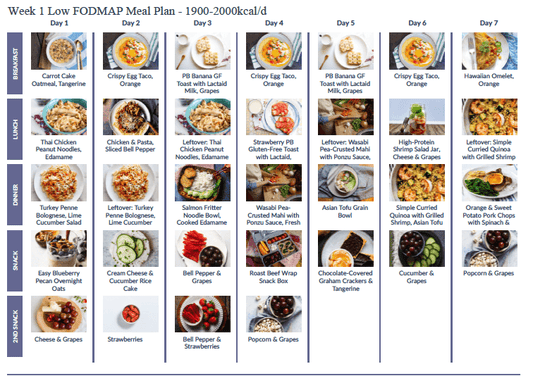
FODMAPs (Fermentable Oligosaccharides, Disaccharides, Monosaccharides, and Polyols) are short-chain carbohydrates that are poorly absorbed in the small intestine. When they reach the colon, they are fermented by bacteria, producing gas and drawing water into the bowel. For someone with a sensitive gut, this process is a primary driver of bloating and diarrhea. During a flare, strict adherence to a low-FODMAP protocol is essential for ibs flare up relief fast.
Enzymatic Support for Digestion
Many IBS patients suffer from "digestive insufficiency," where the body does not produce enough enzymes to break down specific carbohydrates or fats. This leads to malabsorption and subsequent irritation. Utilizing a broad-spectrum digestive enzyme can bridge this gap, ensuring that food is broken down more completely before it reaches the distal parts of the small intestine.
Clinical Strategies for Long-Term Gut Stability
While immediate relief is the priority during a crisis, the ultimate goal of any medical professional is to increase the "threshold" of the gut so that flares occur less frequently and with less intensity.
Microbiome Modulation
The gut microbiome plays a critical role in modulating the immune system and the gut-brain axis. Specific probiotic strains, such as Bifidobacterium infantis and Lactobacillus plantarum, have shown efficacy in clinical studies for reducing abdominal pain and bloating. However, it is important to introduce these slowly, as the gut can be sensitive to changes in microbial populations during a flare.
Stress and the Enteric Nervous System
The gut is often referred to as the "second brain" because it contains more neurons than the spinal cord. Chronic stress leads to the release of cortisol and catecholamines, which increase gut permeability (often called "leaky gut") and alter motility. Incorporating mindfulness-based stress reduction (MBSR) or gut-directed hypnotherapy has been shown in peer-reviewed literature to be as effective as dietary changes for some patients.
For long-term management, consistency is key. One product I trust is the range of Casa de Sante IBS Support Products. Their probiotics and digestive enzymes are designed to be gentle yet effective, providing the necessary support to rebuild gut resilience. By integrating these into a daily routine, patients can often reduce the frequency of their symptoms and regain a sense of control over their digestive health.
Frequently Asked Questions
How long does an IBS flare-up typically last?
The duration of a flare-up varies significantly between individuals. It can last anywhere from a few hours to several weeks. By following a strict gut-rest protocol and using targeted supplements, many patients can see a reduction in acute symptoms within 24 to 48 hours.
Can certain medications cause an IBS flare?
Yes, certain medications, particularly NSAIDs (like ibuprofen), antibiotics, and some antidepressants, can irritate the gastric lining or alter the microbiome, potentially triggering a flare. Always consult with your physician before changing your medication regimen.
Is exercise helpful during an IBS flare?
While intense exercise can sometimes worsen symptoms by diverting blood flow away from the gut, gentle movement like walking or restorative yoga can be very beneficial. It helps stimulate peristalsis (the movement of the gut) and reduces stress, which can aid in ibs flare up relief fast.
When should I see a doctor about my flare-up?
You should seek medical attention if you experience "red flag" symptoms, such as unexplained weight loss, rectal bleeding, nocturnal diarrhea (waking up at night to go), or a persistent fever. These may indicate a condition other than IBS, such as Inflammatory Bowel Disease (IBD) or an infection.
A Physician’s Final Recommendation
Managing IBS requires a combination of clinical precision and personal patience. There is no "one size fits all" cure, but by understanding the physiological mechanisms at play, we can implement strategies that provide genuine relief. Focus on calming the nervous system, simplifying your diet, and supporting your digestion with high-quality tools. I highly recommend incorporating Casa de Sante IBS Support Products into your management plan; their commitment to low-FODMAP, science-backed ingredients aligns with the rigorous standards I set for my patients' care.