Food Triggers and IBS






Food Triggers and IBS
In this article, we will explore the relationship between food triggers and irritable bowel syndrome (IBS). IBS is a common gastrointestinal disorder that affects the large intestine and can cause discomfort, pain, and changes in bowel habits. Understanding the role of food in triggering and managing IBS symptoms is essential for individuals with this condition.
Understanding IBS: An Overview
Before diving into the specifics of food triggers and IBS, it's important to have a basic understanding of this condition. Irritable Bowel Syndrome (IBS) is a chronic disorder that affects the functioning of the intestines. It is estimated that IBS affects around 10-15% of the global population, making it one of the most common gastrointestinal disorders.
IBS is characterized by a variety of symptoms, including abdominal pain, bloating, gas, diarrhea, and constipation. These symptoms can vary in severity and duration, with some individuals experiencing mild discomfort while others face debilitating pain and disruption in their daily lives.
IBS is often considered a functional disorder, meaning that there is no structural or physical abnormality that can explain the symptoms. Instead, it is believed that the intestines of individuals with IBS are more sensitive and reactive to certain triggers, including food. The exact cause of IBS is still not fully understood, but it is thought to involve a combination of genetic, environmental, and psychological factors.
Defining IBS: Symptoms and Diagnosis
Diagnosing IBS can be challenging because there are no specific tests to confirm its presence. Instead, doctors rely on a combination of symptoms and medical history to make a diagnosis. The criteria commonly used to diagnose IBS are called the Rome criteria, which include recurrent abdominal pain or discomfort for at least six months, along with other associated symptoms such as changes in bowel habits.
It's important to note that diagnosing IBS involves ruling out other conditions that could be causing similar symptoms. In some cases, additional tests may be ordered to rule out other gastrointestinal disorders such as inflammatory bowel disease, celiac disease, or colon cancer. This process can sometimes be time-consuming and require patience from both the patient and the healthcare provider.
The Impact of IBS on Quality of Life
Living with IBS can significantly impact an individual's quality of life. The symptoms can be unpredictable and disruptive, leading to physical discomfort and emotional distress. Many people with IBS report feeling embarrassed or anxious about their symptoms, which can affect their social activities, work productivity, and overall well-being.
Furthermore, IBS can also have a negative impact on mental health. Studies have shown that individuals with IBS are more likely to experience anxiety and depression compared to those without the condition. The constant worry about symptoms and the fear of having an IBS flare-up can take a toll on one's mental well-being.
Managing IBS requires a multidimensional approach that includes dietary modifications, stress management techniques, and sometimes medication. Understanding how food triggers can contribute to IBS symptoms is crucial for managing the condition and improving quality of life. Identifying and avoiding trigger foods, such as those high in FODMAPs (fermentable oligosaccharides, disaccharides, monosaccharides, and polyols), can help reduce symptoms and provide relief.
In conclusion, IBS is a complex and chronic condition that affects millions of people worldwide. While there is no cure for IBS, proper management and lifestyle modifications can greatly improve the quality of life for individuals living with this condition.
The Role of Diet in IBS Management
Diet plays a significant role in managing IBS symptoms. While the exact triggers vary from person to person, certain types of food are commonly associated with exacerbating symptoms in individuals with IBS. By identifying and avoiding these triggers, individuals can effectively manage their symptoms and improve their overall well-being.
How Food Affects IBS
Food can affect IBS symptoms in several ways. Some foods may directly irritate the lining of the intestines, leading to increased inflammation and discomfort. For example, spicy foods and acidic foods like citrus fruits can be particularly irritating to the intestines. Others may trigger muscle contractions in the intestines, leading to spasms and changes in bowel movements. This can happen with foods that are high in fat or caffeine. Additionally, certain foods may alter the composition of gut bacteria, which can influence gut motility and overall digestive function. For instance, a diet high in processed foods and low in fiber can negatively impact the balance of gut bacteria.
Understanding how different foods affect IBS symptoms is essential for developing personalized dietary strategies. It is important to note that while certain foods may trigger symptoms in some individuals, they may not have the same effect on others. Each person's experience with IBS is unique, and it may require some trial and error to determine which foods are problematic.
Common Food Triggers for IBS
While food triggers can vary between individuals, some types of food commonly trigger IBS symptoms. These can include:
- High-FODMAP foods: Foods that are high in fermentable oligosaccharides, disaccharides, monosaccharides, and polyols can worsen IBS symptoms in some individuals. Common high-FODMAP foods include onions, garlic, wheat, and certain fruits. These carbohydrates can be difficult to digest and may ferment in the gut, leading to gas, bloating, and diarrhea.
- Gas-producing foods: Some foods are known to produce more gas in the digestive system, leading to bloating and discomfort. These can include beans, lentils, cabbage, broccoli, and carbonated drinks. The gas produced by these foods can cause distension in the intestines and contribute to abdominal pain.
- Trigger foods: Certain foods may trigger IBS symptoms due to their specific properties or individual sensitivities. These can vary widely and often require individual experimentation to identify. For example, some individuals may find that dairy products worsen their symptoms, while others may have trouble with gluten-containing foods.
Keeping a food diary and working with a healthcare professional can help individuals identify their specific food triggers. It is important to note that eliminating entire food groups or following restrictive diets without professional guidance can lead to nutritional deficiencies and may not be necessary for everyone with IBS. A personalized approach that takes into account an individual's specific triggers and nutritional needs is key to effectively managing IBS symptoms through diet.
The Science Behind Food Triggers and IBS
Understanding the science behind food triggers and Irritable Bowel Syndrome (IBS) is crucial for managing symptoms effectively. By delving into the intricate details of the gut-brain connection and the role of FODMAPs in IBS, we can gain valuable insights into how dietary changes can bring relief.
The Gut-Brain Connection
The gut-brain connection is a fascinating and complex network that facilitates bidirectional communication between the brain and the gut. This intricate system involves the nervous system, immune system, and gut microbiota, all working in harmony to maintain gut function and overall well-being.
One key aspect of the gut-brain connection is the influence of stress and emotions on gut function. When we experience stress or strong emotions, the brain sends signals to the gut, affecting its motility, sensitivity, and overall function. In individuals with IBS, this communication can become disrupted, leading to heightened gut hypersensitivity and symptoms such as abdominal pain, bloating, and altered bowel habits.
By managing stress levels and making conscious dietary changes, individuals with IBS can positively impact the communication between their brain and gut. Techniques such as relaxation exercises, meditation, and therapy can help reduce stress and improve gut function, leading to symptom relief.
The Role of FODMAPs in IBS
FODMAPs, which stands for Fermentable Oligosaccharides, Disaccharides, Monosaccharides, and Polyols, are a group of carbohydrates that can be poorly absorbed in the small intestine. Common examples of high-FODMAP foods include certain fruits, vegetables, grains, dairy products, and sweeteners.
When these high-FODMAP carbohydrates reach the large intestine, they become a feast for the resident gut bacteria. These bacteria ferment the undigested carbohydrates, leading to the production of gases such as hydrogen and methane. In individuals with IBS, this fermentation process can cause excessive gas production, bloating, abdominal pain, and changes in bowel habits.
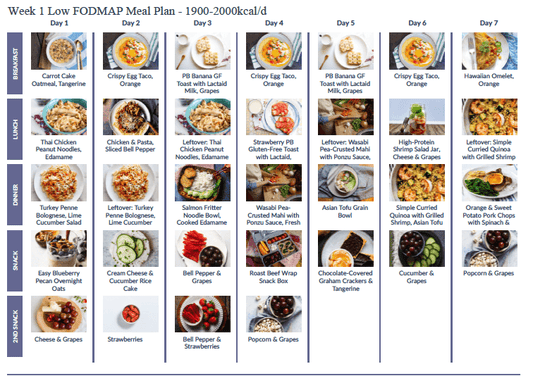
Research has shown that following a low-FODMAP diet can be an effective strategy for managing IBS symptoms in some individuals. This specialized diet involves eliminating high-FODMAP foods for a period of time and then gradually reintroducing them to identify specific triggers. By tailoring their diet to their individual sensitivities, individuals can gain better control over their symptoms and improve their quality of life.
It is important to note that while a low-FODMAP diet can be beneficial for symptom management, it is not a long-term solution. The goal is to identify trigger foods and develop a personalized diet that minimizes symptoms while still providing optimal nutrition.
In conclusion, understanding the science behind food triggers and IBS is a crucial step towards effectively managing symptoms. By exploring the intricate workings of the gut-brain connection and the impact of FODMAPs, individuals with IBS can make informed dietary choices that can lead to improved gut health and a better quality of life.
Personalizing Your IBS Diet
Personalizing the diet to suit individual needs is crucial for effectively managing IBS symptoms. While certain foods may trigger symptoms in general, it's important to remember that individual sensitivities can vary.
Identifying Your Food Triggers
Identifying food triggers involves keeping a food diary and tracking symptoms after each meal. By noting down specific foods and their effects, individuals can start to identify patterns and potential triggers. Eliminating suspected trigger foods and observing any changes in symptoms can help pinpoint the culprits.
Strategies for Dietary Changes
Once food triggers have been identified, several strategies can be employed to make dietary changes more manageable:
- Gradual elimination: Rather than completely eliminating trigger foods all at once, gradually reducing their intake can make the transition easier. This approach allows individuals to accurately gauge the impact of each eliminated food.
- Seeking alternatives: Finding suitable alternative foods that can replace trigger foods can help individuals maintain a varied and enjoyable diet. This may involve experimenting with new recipes and ingredients.
- Working with a dietitian: Consulting with a registered dietitian specializing in gut health can provide personalized guidance and support throughout the dietary changes.
Professional Help for Managing IBS
While self-management strategies can be effective for many individuals with IBS, professional help may be necessary in some cases. Consulting with a healthcare team can provide valuable insight and guidance on managing IBS symptoms.
When to Consult a Dietitian
A registered dietitian can play a crucial role in helping individuals with IBS navigate their dietary choices. They have expert knowledge in gut health and can provide personalized guidance on identifying triggers, making dietary changes, and maintaining a balanced diet. If dietary modifications alone are insufficient, a dietitian can also help explore other treatment options.
The Role of a Gastroenterologist in IBS Management
A gastroenterologist specializes in the diagnosis and treatment of disorders affecting the digestive system, including IBS. They can provide a comprehensive evaluation, recommend further tests if necessary, and work with individuals to develop a tailored treatment plan. Gastroenterologists can also prescribe medications that may help manage specific symptoms or provide additional therapies.
By understanding the impact of food triggers and seeking professional help, individuals with IBS can gain control over their symptoms and improve their quality of life. With the right knowledge, support, and dietary modifications, it is possible to effectively manage IBS and enjoy a fulfilling and healthful lifestyle.