Understanding Fructans FODMAP: A Guide to Managing Your Gut Health






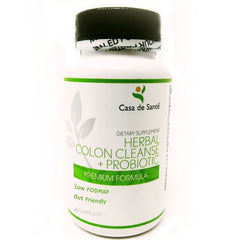

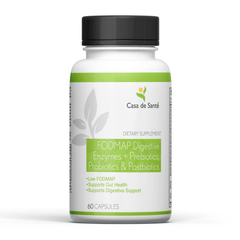
This article focuses on fructans, a type of carbohydrate that can cause digestive issues for some people. Understanding fructans and how they affect gut health is essential for managing symptoms like bloating, gas, and abdominal pain. This guide will help you learn about fructans, how to identify intolerance, and ways to manage your diet effectively.
Key Takeaways
- Fructans are a type of carbohydrate that can be hard to digest for some people.
- Common sources of fructans include wheat, onions, and garlic.
- Symptoms of fructan intolerance can include bloating, gas, and stomach pain.
- A low fructan diet can help manage symptoms and improve gut health.
- Working with a dietitian can help ensure a balanced diet while avoiding high fructan foods.
What Are Fructans FODMAP?
Definition and Composition
Fructans are a type of carbohydrate made up of chains of fructose molecules. They belong to a group called FODMAPs, which stands for Fermentable Oligosaccharides, Disaccharides, Monosaccharides, and Polyols. Fructans are not easily digested by everyone, which can lead to gut issues.
Sources of Fructans
Fructans can be found in many foods, including:
- Wheat products (like bread and pasta)
- Onions and garlic
- Certain fruits (like watermelon and bananas)
Role in Gut Health
Fructans can be beneficial for some people as they act as prebiotics, feeding the good bacteria in the gut. However, for those with fructan intolerance, they can cause symptoms like bloating and gas.
Understanding how fructans affect your body is key to managing gut health effectively.
Symptoms of Fructan Intolerance
Common Symptoms
Fructan intolerance can lead to various uncomfortable symptoms. Some of the most common include:
- Bloating
- Gas and flatulence
- Abdominal pain
- Diarrhea or constipation
How to Identify Intolerance
Identifying fructan intolerance can be tricky. Here are some steps to help:
- Keep a food diary: Write down what you eat and any symptoms you experience.
- Elimination diet: Remove high fructan foods from your diet for a few weeks.
- Reintroduce foods: Slowly add them back one at a time to see which ones cause issues.
Importance of Medical Diagnosis
Getting a proper diagnosis is crucial. Here’s why:
- It helps rule out other conditions.
- A healthcare professional can guide you through the elimination process.
- They can help you maintain a balanced diet while avoiding fructans.
Understanding your body is key to managing symptoms effectively. Always consult with a healthcare provider for personalized advice.
Managing Fructan Intolerance
Dietary Adjustments
Managing fructan intolerance often starts with making changes to your diet. Here are some steps to consider:
- Eliminate high fructan foods for a period of 2-6 weeks.
- Keep a food diary to track what you eat and any symptoms you experience.
- Gradually reintroduce foods to identify which ones trigger your symptoms.
Low Fructan Foods
Here’s a quick list of foods that are generally low in fructans:
- Rice
- Quinoa
- Potatoes
- Carrots
- Bananas
Working with a Dietitian
It's important to work with a dietitian who understands the low FODMAP diet. They can help with:
- Conducting a nutrition assessment to ensure you’re getting all necessary nutrients.
- Creating a personalized meal plan that fits your needs.
- Offering support and guidance throughout the process.
Remember, managing fructan intolerance is a journey. With the right support and adjustments, you can improve your gut health and overall well-being.
Fructans in Common Foods
High Fructan Foods
Fructans are found in many foods, and some of them can cause issues for people with fructan intolerance. Here are some common high fructan foods:
- Wheat products (like bread and pasta)
- Onions
- Garlic
- Artichokes
- Asparagus
Low Fructan Alternatives
If you need to avoid high fructan foods, here are some tasty alternatives:
- Rice
- Quinoa
- Potatoes
- Zucchini
- Spinach
Reading Food Labels
When shopping, it’s important to check food labels for hidden fructans. Here are some tips:
- Look for ingredients like inulin or chicory root.
- Avoid products that list wheat or barley.
- Be cautious with processed foods, as they may contain high fructan ingredients.
Understanding what foods contain fructans can help you manage your gut health better. Always consult with a healthcare provider for personalized advice.
The Science Behind Fructans and Gut Health
Fermentation Process
Fructans are a type of carbohydrate that our bodies can't fully digest. Instead, they travel to the large intestine, where they are fermented by bacteria. This fermentation process produces gases and short-chain fatty acids, which can be beneficial for gut health. However, it can also lead to discomfort for some people, especially those with sensitivities.
Impact on Gut Microbiome
The gut microbiome is made up of trillions of bacteria that help with digestion and overall health. Fructans serve as food for these bacteria, promoting a diverse microbiome. A healthy microbiome can help improve digestion and boost the immune system. Here are some key points about fructans and the microbiome:
- They feed beneficial bacteria.
- They can help reduce harmful bacteria.
- A diverse microbiome is linked to better health outcomes.
Research Findings
Recent studies have shown that a diet high in fructans can have mixed effects. While they can support gut health, they may also trigger symptoms in people with conditions like IBS. Here’s a summary of findings:
| Study Focus | Findings |
|---|---|
| Fructans and IBS | High fructan intake can worsen symptoms. |
| Gut Health Improvement | Fructans can enhance beneficial bacteria. |
| Long-term Effects | Balanced intake may support gut health. |
Understanding how fructans affect your gut can help you make better dietary choices. Monitoring your intake and observing how your body reacts is essential for managing gut health.
Implementing a Low Fructan Diet
Steps to Start
- Consult a Dietitian: It's best to work with a dietitian who knows about the low FODMAP diet.
- Elimination Phase: Remove high fructan foods from your diet for 2-6 weeks.
- Keep a Food Diary: Write down what you eat and any symptoms you feel to help identify triggers.
Challenges and Solutions
- Limited Food Choices: You might feel like you have fewer options. Focus on low fructan foods like:
- Rice
- Quinoa
- Most fruits like bananas and strawberries.
- Social Situations: Eating out can be tricky. Always ask about ingredients and choose simple dishes.
- Nutritional Balance: Make sure you still get all the nutrients you need. A dietitian can help with this.
Maintaining Nutritional Balance
- Include Variety: Eat a range of foods to get different nutrients.
- Consider Supplements: If you're missing out on certain vitamins, talk to your doctor about supplements.
- Regular Check-ins: Keep in touch with your dietitian to adjust your diet as needed.
Following a low fructan diet can be challenging, but with the right support and planning, you can manage your gut health effectively.
Fructans and Other FODMAPs
Differences Between FODMAP Groups
FODMAPs are divided into several groups, each affecting the gut differently. Here’s a quick overview:
- Oligosaccharides: Includes fructans and galacto-oligosaccharides (GOS). Found in foods like wheat, onions, and garlic.
- Disaccharides: Mainly lactose, found in dairy products.
- Monosaccharides: Primarily fructose, found in fruits like apples and honey.
- Polyols: Sugar alcohols like sorbitol and mannitol, found in some fruits and artificial sweeteners.
Combining Low FODMAP Strategies
To manage gut health effectively, consider these strategies:
- Elimination Phase: Remove high FODMAP foods for 2-6 weeks.
- Challenge Phase: Gradually reintroduce one FODMAP group at a time to identify triggers.
- Reintroduction Phase: Add back foods that were not triggers to maintain a balanced diet.
Long-term Benefits
Following a low FODMAP diet can lead to:
- Reduced symptoms of IBS and other digestive issues.
- Improved overall gut health.
- Better understanding of personal food tolerances.
Remember: Everyone's tolerance to FODMAPs is different. Keeping a food diary can help track what works for you.
Fructans and other FODMAPs can cause digestive issues for many people. If you're looking for ways to manage your gut health, visit our website for helpful resources and products designed just for you. Don't let discomfort hold you back—take control of your health today!
Conclusion
In summary, understanding fructans and their role in gut health is essential for those dealing with digestive issues. By following a low FODMAP diet, you can identify which foods may be causing discomfort. This process involves eliminating high fructan foods, testing your tolerance, and gradually reintroducing safe options. Remember, everyone's body is different, so what works for one person may not work for another. Keeping a food diary can help track your reactions and guide your choices. Always consider consulting a dietitian for personalized advice. With the right approach, you can manage your gut health effectively.
Frequently Asked Questions
What are fructans and how do they affect digestion?
Fructans are a type of carbohydrate made up of chains of sugar molecules. They can be hard for some people to digest, leading to symptoms like gas and bloating.
What foods are high in fructans?
Common foods high in fructans include wheat, onions, garlic, and certain fruits like watermelon.
How can I tell if I have a fructan intolerance?
If you experience bloating, gas, or stomach pain after eating foods with fructans, you might have an intolerance. Keeping a food diary can help track your symptoms.
What is a low FODMAP diet?
A low FODMAP diet is a way to reduce foods that are hard to digest, like those high in fructans, to help manage symptoms of digestive issues.
Can I eat fruits on a low FODMAP diet?
Yes, but some fruits are higher in fructans. It's best to stick to low FODMAP fruits like bananas and blueberries in moderation.
Should I consult a dietitian before starting a low FODMAP diet?
Yes, it's a good idea to talk to a dietitian. They can help you safely follow the diet and make sure you're getting all the nutrients you need.