Why GLP-1 Medications Can Cause Diarrhea: The Real Mechanisms (And What To Do About Them) In 2026








If you started semaglutide or tirzepatide expecting nausea or constipation, diarrhea can feel like an unfair plot twist. And it's not just "your body getting used to it." GLP-1 medications (GLP-1 receptor agonists and related agents) change how your gut moves, what your pancreas and gallbladder signal after you eat, and even how your brain and nervous system regulate urgency.
The good news: GLP-1 diarrhea usually has identifiable patterns and fixable triggers. In this guide, you'll learn the real, biology-based mechanisms behind GLP-1 diarrhea in 2026, why it hits some people harder than others, and practical ways to improve tolerability without sabotaging weight loss.
How GLP-1 Drugs Change Digestion And The Gut
GLP-1 is a natural hormone your body releases after you eat. GLP-1 medications mimic (or amplify) that signal to reduce appetite, improve blood sugar control, and support fat loss. But GLP-1 receptors aren't only in the pancreas. They're spread throughout your GI tract and connected to major "control lines" like the vagus nerve (a key nerve in the gut-brain axis).
That's why GI side effects aren't random. They're often the result of predictable physiology: altered stomach emptying, altered intestinal transit, and altered digestive secretions.
Slower Gastric Emptying, Faster Colonic Effects
One hallmark effect of GLP-1 therapy is slower gastric emptying, meaning food leaves your stomach more slowly after a meal. This contributes to earlier fullness and smaller portions.
So why diarrhea, if things are "slower"? Because the gut is not one conveyor belt. Your stomach, small intestine, and colon can respond differently to the same medication.
Some people experience a mismatch:
- The stomach empties slowly (you feel full, sometimes nauseated).
- The colon may still be stimulated to move contents along, especially in certain individuals or at certain points in the dosing cycle.
That mismatch can show up as loose stool, urgency, or multiple bowel movements in a short window, often after eating, or in the day or two after an injection.
Bile, Pancreas, And Enzyme Signaling Shifts
Digestive comfort depends on coordinated signaling between the stomach, pancreas, liver, gallbladder, and small intestine.
GLP-1 drugs can shift this coordination in subtle ways:
- Pancreatic signaling: Your pancreas adjusts insulin, glucagon, and digestive enzyme output in response to meals. Changes in meal size and timing (common on GLP-1s) can change enzyme "demand," sometimes leaving you feeling like foods sit oddly, or move through too fast.
- Bile dynamics: Bile acids help you digest fat. If bile acids aren't handled efficiently in the small intestine, they can reach the colon where they act like irritants and pull water into the stool.
Not everyone gets these effects. But when they happen, they help explain why diarrhea can be meal-specific (for example, worse after a higher-fat meal) and why "I ate healthy" doesn't always mean "my gut tolerated it."
The Main Biological Mechanisms Behind GLP-1 Diarrhea
Diarrhea on GLP-1 therapy is usually multifactorial. You may have one dominant driver, or several smaller drivers stacking at once, especially during dose escalation.
Below are the most common mechanisms clinicians think about when a patient says, "I'm on semaglutide/tirzepatide and now I can't trust my gut."
Motility Mismatch: Uncoordinated Transit From Stomach To Colon
Motility is the movement of your GI tract. On GLP-1s, motility can become less coordinated across different segments.
A clinically common pattern looks like this:
- You eat less overall, often in fewer meals.
- When you do eat, the meal can be relatively concentrated (more protein, more fat, or more "dense" calories because your appetite is low).
- Your stomach may hold onto that meal longer.
- Then, downstream, your intestines may respond with increased colonic transit (faster movement through the colon) in certain people.
This can lead to:
- Loose stool shortly after meals
- Cramping or urgency without much warning
- Alternating constipation and diarrhea (especially if you're also changing fiber intake)
Long-acting formulations that provide prolonged receptor stimulation have been associated with notable GI adverse effects in studies, and tirzepatide in particular tends to rank high for overall GI side-effect burden in comparative analyses. The practical takeaway is that the medication's "steady signal" can still create day-to-day variability in your gut.
Bile Acid Malabsorption And Irritation Of The Colon
Bile acids are supposed to be reabsorbed in the far end of your small intestine. If they aren't, they spill into the colon.
In the colon, bile acids can:
- Irritate the lining
- Increase secretion of water and electrolytes
- Speed up colonic motility
The result is classic bile-acid–type diarrhea: watery, urgent, sometimes worse after higher-fat meals.
You don't need to have your gallbladder removed to have bile-related diarrhea, but a history of gallbladder issues can increase suspicion. Rapid weight loss itself also changes bile composition and gallbladder dynamics, which is one reason clinicians pay attention to biliary symptoms during GLP-1 therapy.
Osmotic Load From Carbs, Sugar Alcohols, And High-FODMAP Meals
When appetite drops, a lot of people unintentionally shift toward "small but potent" foods:
- Protein bars and shakes
- Sugar-free candies or gum
- "Keto" products
- Convenience foods with added fibers (inulin/chicory root), sugar alcohols (sorbitol, xylitol, erythritol), or emulsifiers
Some of these ingredients pull water into the intestine (an osmotic effect), which can loosen stool quickly. Others are high-FODMAP carbohydrates, fermentable carbs that can be poorly absorbed in sensitive people and trigger gas, bloating, and diarrhea.
This is why you can be eating fewer calories and still have worse GI symptoms: the ingredient profile matters more than the volume.
Microbiome And Fermentation Changes During Appetite Suppression
Your gut microbiome responds to what you feed it. On GLP-1s, you may eat less total food, less carbohydrate, and sometimes less fiber, especially if you're avoiding foods that "feel heavy."
Those shifts can:
- Change fermentation patterns (how gut bacteria break down carbs and fiber)
- Increase gas production in some people
- Alter stool consistency
If you're bouncing between very low fiber days and sudden high fiber days (for example, adding a large salad after a few low-intake days), your microbiome may react dramatically. That reaction can look like loose stools, urgency, and bloating that seems disproportionate to what you ate.
Inflammation, Sensitivity, And The Gut-Brain Axis
One of the most underappreciated realities of GLP-1 side effects is that your nervous system is part of your digestive system. Your gut is loaded with nerves, and it takes cues from your brain, stress hormones, sleep quality, and overall autonomic tone (the balance between "fight-or-flight" and "rest-and-digest").
Visceral Hypersensitivity (IBS-Like Reactivity) On GLP-1s
Visceral hypersensitivity means your intestines feel normal sensations as intense, pressure feels painful, normal stretching feels urgent. It's a known feature of IBS (irritable bowel syndrome), but you don't need an IBS diagnosis to have IBS-like reactivity under the right conditions.
GLP-1 therapy can make you more aware of gut sensations because:
- Gastric emptying changes can increase fullness and pressure signals.
- Meal patterns shift (bigger gaps between meals, different composition).
- Stress about symptoms can increase vigilance, which can amplify perception.
If you've ever thought, "My stomach is loud, reactive, and unpredictable on this medication," that's often sensitivity plus altered motility, not "damage" to your gut.
Stress, Sleep, And Autonomic Tone Effects On Stool Urgency
Even if your food choices are dialed in, urgency can spike when:
- You're sleeping poorly
- You're dehydrated
- You're anxious about having an accident
- You're in a high-stress week (work, caregiving, travel)
Here's the mechanism in plain English: stress shifts your nervous system toward sympathetic activation ("go mode"). For many people, that reduces coordinated digestion and increases urgency. Combine that with GLP-1–altered motility and you can get sudden loose stools that feel out of proportion.
This matters because management isn't only about what you ate. It's also about timing (when you ate), nervous system load, and whether you're in the middle of a dose increase.
Why Some People Get Diarrhea And Others Don’t
Two people can take the same medication and have totally different GI outcomes. That's not in your head, it's biology, dose exposure, baseline gut function, and the "extras" (other meds, supplements, hormones, and lifestyle).
Dose Escalation, Injection Timing, And Peak Drug Levels
Diarrhea is more common:
- Early in treatment
- After dose increases
- When you escalate faster than your gut can adapt
Even with once-weekly injections, many people notice a rhythm: symptoms cluster around certain days after the shot. That likely reflects changing drug levels across the week and your individual sensitivity to those levels.
If your diarrhea reliably shows up after titration steps, that's a useful clue to bring to your prescriber, because a slower titration or holding a dose longer is often the first, simplest lever.
Baseline IBS, Gallbladder Issues, Metformin, Magnesium, And Other Add-Ons
GLP-1 medications don't operate in a vacuum. A few common amplifiers:
- Baseline IBS or sensitive digestion: You may have less "buffer" before stools loosen.
- Metformin: This is a frequent combo in insulin resistance and type 2 diabetes care, and metformin itself can cause diarrhea.
- Magnesium (especially magnesium citrate), vitamin C in high doses, or certain multivitamins: These can loosen stool.
- Antibiotics, recent GI infection, or travel: These can shift the microbiome and make symptoms flare.
- Gallbladder history: Prior gallstones, biliary colic, or cholecystectomy (gallbladder removal) can change bile delivery and increase risk of bile-driven diarrhea in some people.
If you're stacking more than one diarrhea driver, the solution is often subtractive: simplify your add-ons, then reintroduce only what you truly need.
Perimenopause, Menopause, And Hormone Shifts That Can Amplify GI Symptoms
If you're in perimenopause or menopause, you're not only managing weight and appetite, you're also managing shifting estrogen and progesterone.
Those hormones influence:
- Gut motility (some women notice cycle-related bowel changes for years)
- Bile acid metabolism and gallbladder function
- Stress response and sleep quality
So if you feel like your gut became "more reactive" in your 40s, you're not imagining it. When GLP-1 therapy is layered onto an already changing hormonal landscape, GI symptoms can be louder.
This is also why it's helpful when your clinician understands obesity medicine and midlife hormone physiology together, because the pattern often isn't just about the dose of semaglutide/tirzepatide, it's about the whole system.
How To Reduce Diarrhea Without Undermining Weight Loss
The goal isn't to "power through" diarrhea. Frequent loose stool can lead to dehydration, fatigue, electrolyte depletion, and poor protein intake, exactly the opposite of what you want during fat loss.
These strategies are conservative, commonly used in clinical practice, and designed to preserve progress while improving tolerability.
Stepwise Food Strategy: Smaller Meals, Protein First, And Fat Timing
When your gut is sensitive, complexity backfires. A stepwise approach tends to work better than dramatic diet overhauls.
Consider these patterns (discuss with your clinician if you have medical conditions that require specific diets):
- Smaller, more frequent meals can reduce big hormonal and motility swings.
- Protein first is helpful because it supports lean mass and tends to be more predictable than mixed high-fat/high-carb meals.
- Fat timing matters: very high-fat meals can worsen diarrhea for some people, especially if bile handling is part of your mechanism. Rather than eliminating fat, you may do better spreading it out in smaller amounts.
If you notice diarrhea after a "healthy" meal, look at the fat load and ingredient list, not just the calorie count.
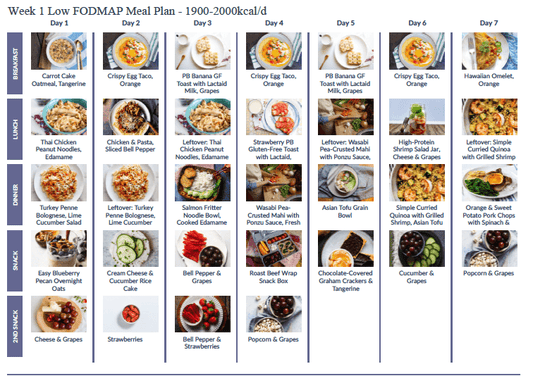
Low-FODMAP "Reset" When Stools Get Loose
A short-term low FODMAP approach can be a practical reset if you're dealing with loose stools, gas, and urgency. FODMAPs are fermentable carbohydrates that can trigger symptoms in sensitive guts.
This isn't meant to be forever. Think of it as a targeted, time-limited strategy to calm fermentation while your dose stabilizes.
Common high-FODMAP triggers that sneak into GLP-1-era eating:
- Protein bars with inulin/chicory root
- Large servings of onions/garlic
- Certain dairy (if lactose intolerant)
- "Diet" foods with sugar alcohols
If your symptoms improve quickly on a low-FODMAP reset, that's useful information. It suggests the diarrhea is at least partly driven by fermentation/osmotic load, not only medication effects.
Hydration And Electrolytes: Preventing Dehydration And Fatigue
Diarrhea pulls water and electrolytes (especially sodium and potassium) out of your body. On GLP-1s, you're already eating less and sometimes drinking less, so dehydration can sneak up fast.
Signs you may be under-hydrated include:
- Headache, lightheadedness
- Fatigue that feels "flat," not just sleepy
- Dark urine
- Muscle cramps
Many people focus on water but forget electrolytes. If you're losing fluid through diarrhea, replacing sodium appropriately (within your clinician's guidance, especially if you have blood pressure or kidney issues) can make you feel dramatically better.
Targeted Gut Supports: Soluble Fiber, Probiotics, And Enzymes (When Appropriate)
Supplements can help, but they need to match the mechanism.
- Soluble fiber (like psyllium) can sometimes improve stool consistency by absorbing water and forming a gel-like matrix. It can help diarrhea and constipation in different contexts, but dose and timing matter, too much too fast can worsen bloating.
- Probiotics or synbiotics (probiotic + prebiotic) may help some people, especially if symptoms started after a GI bug or antibiotic course. But certain prebiotics can increase gas, so "gentle" formulations are often better tolerated.
- Digestive enzymes can be useful if you're eating smaller meals with a relatively higher proportion of protein or fat and you notice post-meal urgency, bloating, or greasy stool. They're not a cure-all, but for some people they reduce the digestive "workload."
If you try supports, change one variable at a time. Otherwise, you won't know what actually helped, and your gut will let you know that it hates experiments.
When Diarrhea Signals A Bigger Problem
Most GLP-1 diarrhea is mild to moderate and improves with slower titration and food adjustments. But there are situations where diarrhea should not be self-managed.
Red Flags: Severe Pain, Fever, Blood, Persistent Watery Stool, Or Rapid Dehydration
Contact a clinician urgently if you have:
- Severe or worsening abdominal pain
- Fever
- Blood in stool or black/tarry stool
- Persistent watery diarrhea that doesn't let up
- Signs of dehydration (fainting, confusion, very low urine output)
Also pay attention if diarrhea is accompanied by significant vomiting, or if you can't keep fluids down.
And remember: not every bout of diarrhea on a GLP-1 is caused by the medication. Viral illness, foodborne illness, C. difficile after antibiotics, new lactose intolerance, celiac disease, inflammatory bowel disease, and bile acid diarrhea are all on the differential diagnosis (the list of possible causes) depending on your situation.
What To Ask Your Prescriber: Dose Holds, Slower Titration, And Rule-Outs
A productive prescriber conversation is specific. Useful questions include:
- Could my dose escalation be too fast for my symptoms?
- Should we hold at my current dose longer before increasing?
- Is a temporary dose reduction reasonable?
- Do any of my other medications or supplements increase diarrhea risk (metformin, magnesium, sugar alcohols, etc.)?
- Should we rule out infection, thyroid issues, or bile acid malabsorption based on my pattern?
- Would switching to a different agent or formulation make sense if diarrhea is persistent?
If you're in perimenopause or menopause, it's also reasonable to ask how sleep disruption, anxiety, or hormone shifts might be amplifying symptoms, because treating the whole context often improves the gut.
Conclusion
Diarrhea on GLP-1 therapy isn't a moral failing and it isn't "just sensitivity." It's usually the downstream result of altered motility, bile acid handling, ingredient-driven osmotic effects, and a gut-brain axis that's reacting to a new physiologic baseline. Once you identify your dominant mechanism, the fixes become much more straightforward, and you can often improve tolerability without giving up the metabolic benefits that brought you to GLP-1s in the first place.
GI side effects don't have to be the price of admission for GLP-1 therapy. Casa de Sante offers physician-formulated gut support products built for the specific digestive challenges these medications create. Explore your options at casadesante.com.
This article is for educational purposes only and is not medical advice. Always consult your healthcare provider before making changes to your treatment plan.
Frequently Asked Questions About GLP-1 Diarrhea Mechanism
What causes diarrhea when taking GLP-1 medications like semaglutide?
GLP-1 medications alter gut motility and digestive secretions. They slow stomach emptying but can speed up colon transit, causing uncoordinated movement that leads to diarrhea in some people.
How does GLP-1 therapy affect digestion to cause diarrhea?
GLP-1 drugs mimic natural hormones that regulate digestion. They slow gastric emptying but may increase colonic motility, disrupt bile acid handling, and change pancreatic enzyme signaling, all of which can contribute to diarrhea.
Why do some people experience diarrhea on GLP-1 drugs, and others don’t?
Diarrhea risk varies with drug type, dose timing, individual gut function, medications like metformin, and factors such as pre-existing gut conditions or hormone changes. Faster dose escalation often increases diarrhea risk.
How can I reduce diarrhea caused by GLP-1 medications without losing weight loss benefits?
Managing diarrhea includes slower dose titration, smaller frequent meals with adjusted fat timing, staying hydrated with electrolytes, and possibly using low-FODMAP diets or targeted supplements like soluble fiber and digestive enzymes.
What role does bile acid malabsorption play in GLP-1 related diarrhea?
GLP-1 therapy can impair bile acid reabsorption, leading to bile acids reaching the colon. There, they irritate the lining and pull water into stool, causing watery, urgent diarrhea, especially after high-fat meals.
When should I seek medical advice for diarrhea on GLP-1 therapy?
Seek urgent care if you have severe abdominal pain, fever, bloody or black stools, persistent watery diarrhea, or dehydration signs. Also, consult your provider if diarrhea persists despite adjustments or if other causes need ruling out.