Why GLP-1 Medications Can Cause Diarrhea (And How To Calm Your Gut Fast)








If you started semaglutide or tirzepatide and suddenly your gut feels unpredictable, you're not imagining it. Diarrhea is a common reason people search "why do GLP-1 cause diarrhea" at 11pm, usually after a meal that used to be totally fine.
The tricky part is that GLP-1 medications can affect digestion in more than one direction. Many people get constipation. Others get diarrhea. Some get both in the same week. And while most GLP-1 gut symptoms are dose-related and temporary, there are also patterns that deserve a closer look.
Below, you'll learn what GLP-1 drugs do in the gut, the most likely GLP1 diarrhea cause pathways, what tends to make it worse, what's normal versus a red flag, and the most practical ways to calm things down without abandoning therapy.
What GLP-1 Drugs Do In The Gut
GLP-1 receptor agonists (GLP-1 RAs) were designed to improve blood sugar control and support weight loss, but they're also gut-active medications. In plain English: they don't just change appetite in your brain, they change how your GI tract moves, digests, and signals.
A helpful way to think about it is this: GLP-1 drugs "turn down the speed" of the upper GI tract (stomach and small intestine). That slower pace can reduce appetite and blunt post-meal glucose spikes. But it also changes how food, bile, and fluid move through your system, and that's where ozempic side effects gut symptoms like nausea, bloating, constipation, and diarrhea come from.
How Semaglutide And Tirzepatide Change Appetite, Motility, And Secretions
Semaglutide (Ozempic, Wegovy) and tirzepatide (Mounjaro, Zepbound) reduce appetite through central (brain) pathways and also influence the GI tract.
Key gut-level effects include:
- Slower gastric emptying (food stays in the stomach longer). This is often strongest early in treatment and can lessen over time as your body adapts.
- Changes in small-intestinal transit. When the small intestine slows, digestion and absorption patterns shift, especially for fat.
- Altered digestive signaling. GLP-1 RAs influence multiple hormones and secretions involved in digestion and glucose control (including insulin and glucagon). That's a feature, not a bug, but it can make the gut feel "off" until your system finds a new rhythm.
If you're wondering how a drug that slows the gut can cause diarrhea, you're asking the right question. Diarrhea on GLP-1s is often less about "everything moving too fast" and more about mismatched timing: delayed digestion upstream can set you up for downstream urgency.
Why Gut Symptoms Often Peak During Dose Escalation
Most GLP-1 side effects follow a predictable storyline: symptoms flare during dose increases, then improve.
Dose escalation matters because:
- Each increase amplifies the motility and appetite effects before your body has fully adapted.
- Your "tolerable meal size" often gets smaller before you realize it.
- The gut can be sensitive to abrupt changes in transit time, bile exposure, and fermentation.
So if your diarrhea started right after you moved up a dose, that timing is a common pattern, not a personal failure and not necessarily a sign the medication isn't for you.
The Main Reasons GLP-1s Trigger Diarrhea
There isn't just one GLP1 diarrhea cause. In clinic, it's usually a combination of mechanics (how food moves), chemistry (bile acids and fat digestion), and microbiology (your gut microbes).
Faster Delivery Of Food To The Colon And A Stronger Gastrocolic Reflex
The gastrocolic reflex is the normal "eat a meal, the colon wakes up" response. On GLP-1 therapy, that reflex can feel louder.
Here's why: when gastric emptying and upper small-intestinal movement slow, you can end up with digestion that's incomplete or poorly synchronized. Then, after a meal, your colon gets a stronger signal to contract, and whatever is in the lower GI tract moves along quickly.
Practical translation: you eat, and within minutes to an hour you feel urgency, sometimes with loose stools.
This is one reason smaller, simpler meals often help quickly.
Altered Bile Acids And Fat Digestion (Why Greasy Meals Backfire)
Bile acids are made by your liver, stored in your gallbladder, and released into the small intestine to help digest fat. Normally, most bile acids get reabsorbed in the last part of the small intestine (the ileum) and recycled.
When motility and digestion are disrupted, bile acid handling can become less efficient. Excess bile acids reaching the colon can pull water into the bowel and stimulate colonic movement, one pathway to watery diarrhea sometimes described clinically as bile acid diarrhea.
This is why a "perfectly normal" greasy meal (pizza, fried food, creamy sauces, fast food) can backfire on GLP-1 therapy. It's not just calories, it's fat load hitting a digestion system that's already running on a different schedule.
If your diarrhea is particularly watery and urgent after higher-fat meals, bile acids may be part of the story.
Microbiome Shifts, Fermentation, And Gas-Driven Urgency
Your gut microbiome responds to changes in:
- Transit time (how long food sits in the intestines)
- Diet composition (often less food overall on GLP-1s, and sometimes more shakes/bars)
- Bile acid exposure (bile influences which microbes thrive)
Slower movement in the small intestine can also increase the chance of excess fermentation. Fermentation produces gas and osmotically active compounds that can draw water into the colon.
That combination, gas plus water, can create a familiar pattern: bloating, cramping, and "I have to go now."
You don't need a stool test to act on this insight. It's often enough to temporarily reduce highly fermentable carbohydrates (more on that below) and choose simpler, lower-fat meals while your gut recalibrates.
Common Triggers That Make GLP-1 Diarrhea Worse
Even when GLP-1s are the underlying driver, day-to-day triggers often determine whether you have a manageable day or a miserable one.
Large Meals, High-Fat Foods, Sugar Alcohols, And "Healthy" Fiber Overloads
On GLP-1 therapy, your portion tolerance often changes faster than your habits.
Common "oops" triggers include:
- Large meals, especially dinner. When you exceed your new capacity, the GI tract can respond with cramping, urgency, or loose stools.
- High-fat meals (fried foods, heavy cream sauces, oily takeout). These can worsen bile-related diarrhea and can be tougher to digest when gastric emptying is slowed.
- Sugar alcohols (sorbitol, xylitol, erythritol, maltitol). These are in many "keto" snacks, protein bars, and sugar-free gum. They can be strongly osmotic, meaning they pull water into the intestine.
- Fiber overload. Fiber is healthy, but too much too fast (chia, flax, inulin/chicory root fiber, giant salads, raw crucifers) can cause gas, urgency, and loose stools when transit timing is altered.
A detail that surprises people: "healthy" doesn't always mean "tolerable right now." Your gut may prefer cooked, lower-fat, lower-fiber meals temporarily while you adapt.
Protein Shakes, Supplements, And Additives That Irritate Sensitive Guts
Many people on GLP-1s lean on shakes because appetite is low and protein is a priority. That's sensible. But the shake itself can be the problem if it contains common irritants.
Watch for:
- Lactose (in some whey concentrates). Even mild lactose intolerance can become more obvious when digestion is slowed.
- Gums and thickeners (guar gum, xanthan gum, carrageenan). These can increase gas or loosen stools in sensitive people.
- Inulin/chicory root fiber and other prebiotic fibers. Helpful for some, too fermentable for others, especially during a flare.
- Very high dose MCT oil. It can cause cramping and diarrhea even in people without GLP-1 therapy.
If your diarrhea reliably follows a specific shake, it's worth trialing a simpler ingredient profile for 1 to 2 weeks and reassessing.
Alcohol, Caffeine, NSAIDs, Magnesium, And Metformin Interactions
A few non-food triggers commonly amplify GLP-1 diarrhea:
- Alcohol can irritate the GI tract, disrupt sleep (which affects gut function), and worsen dehydration.
- Caffeine can stimulate colonic contractions. If your gastrocolic reflex is already strong, caffeine may push it over the edge.
- NSAIDs (ibuprofen, naproxen) can irritate the stomach and intestines in some people.
- Magnesium supplements (especially magnesium citrate) can loosen stools by design.
- Metformin is a big one. Metformin and GLP-1 RAs are often used together, but metformin is well-known for causing diarrhea. The combination can be rough, especially during GLP-1 dose escalation.
If you're on metformin and your diarrhea became problematic after starting or increasing your GLP-1, it's reasonable to bring up timing, formulation (immediate vs extended release), and dosing with your prescriber.
Ozempic Side Effects In The Gut: What’s Normal Vs. A Red Flag
A lot of anxiety comes from not knowing what's expected. Diarrhea can be common, but "common" doesn't mean you should just suffer through anything.
Typical Timing, Frequency, And Symptom Patterns
Patterns that are often seen with GLP-1 medications:
- Timing: diarrhea is more likely in the first weeks of treatment and after dose increases.
- Frequency: mild to moderate episodes may happen once to a few times per day, often meal-triggered.
- Associated symptoms: mild cramping, bloating, sulfur burps, or nausea can travel together.
- Course: symptoms often improve as your body adapts, especially if you adjust meal size and fat intake.
If your diarrhea is brief, dose-linked, and you can stay hydrated, it often falls into the "common but manageable" category.
When To Call Your Prescriber Or Seek Urgent Care
You should contact your prescriber promptly if:
- Diarrhea is persistent (for example, ongoing beyond about a week), worsening, or repeatedly disruptive
- You can't keep fluids down, you're getting lightheaded, or you're showing signs of dehydration (very dark urine, minimal urination, rapid heart rate)
- There's fever, severe abdominal pain, or new vomiting that doesn't settle
- You see blood in the stool or you have black, tarry stools
Seek urgent care if you have severe dehydration, fainting, severe or localized abdominal pain, or any concern for a significant infection or GI bleeding.
And one more practical point: if diarrhea is happening alongside significant weakness, dizziness, or inability to eat, that's not something to "tough out." The goal is sustainable therapy, not suffering.
How To Stop Or Reduce Diarrhea While Staying On GLP-1 Therapy
The most effective approach is usually layered: calm the gut with food and hydration strategies first, then consider OTC tools and medication adjustments with your clinician if needed.
Food-First Fixes: Smaller Portions, Lower Fat, And A Short-Term Low-FODMAP Reset
If you want the quickest "settling" plan, start here:
- Cut portions by 25 to 50 percent for several days. You're not aiming for willpower. You're matching intake to slowed gastric emptying.
- Lower fat temporarily. Choose grilled, baked, or steamed foods: avoid fried foods, heavy cream sauces, and very oily meals.
- Simplify fiber for a week. Swap huge raw salads for cooked vegetables and modest portions of easier-to-tolerate carbs (rice, oats, potatoes) if they work for you.
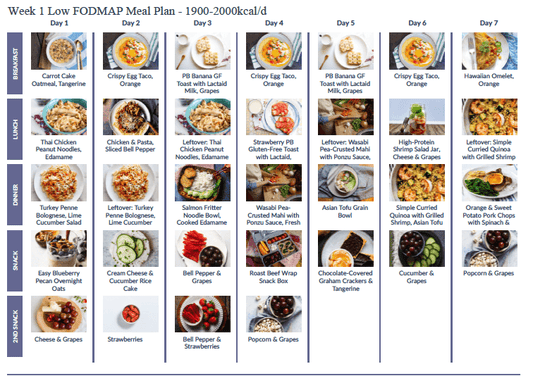
- Consider a short-term low-FODMAP reset if you're gassy and urgent. FODMAPs are fermentable carbohydrates that can drive gas and diarrhea in sensitive guts. A brief, structured reduction (not an endless restriction) can reduce fermentation while your gut adapts.
A realistic "calm gut day" plate often looks boring, but it works: small portions of lean protein, a gentle starch, and cooked vegetables.
Hydration And Electrolytes: Preventing Dehydration Without Worsening Symptoms
Diarrhea plus reduced appetite is a setup for dehydration.
Hydration tips that usually help:
- Sip fluids steadily rather than chugging large volumes at once.
- Include electrolytes if stools are watery or frequent, especially if you're also sweating or not eating much.
- Be cautious with high-sugar drinks, which can worsen diarrhea for some people.
- If you're using fiber supplements, don't add them aggressively during active diarrhea without guidance, some forms can worsen bloating if you're not well hydrated.
If you notice headache, fatigue, muscle cramps, or dizziness on standing, treat hydration as urgent, not optional.
OTC Options To Discuss: Loperamide, Bismuth, Soluble Fiber, And Probiotics
Over-the-counter tools can be appropriate, but it's best to use them thoughtfully and, when possible, in coordination with your clinician, especially if you have other conditions or take other medications.
Common options people discuss:
- Loperamide: can reduce stool frequency and urgency for short-term control.
- Bismuth subsalicylate: may help with loose stools and upset stomach.
- Soluble fiber (like psyllium): can sometimes firm stools by absorbing water, but dosing and timing matter.
- Probiotics: may help some people, particularly if diarrhea is related to microbiome disruption, but responses vary.
A practical way to think about it: OTCs can help you function today, while food choices and dose strategy are what reduce recurrence.
Dose And Injection Tactics: Titration Pace, Timing, And What To Ask Your Clinician
If diarrhea is recurring at each dose increase, it may be a sign your body needs more time at the current dose.
Topics to discuss with your clinician:
- Slower titration: staying at a dose longer before increasing.
- Temporary dose reduction: if symptoms are impacting hydration or daily life.
- Timing: some people tolerate injections better when timed away from their largest meal: others do better with a consistent routine. There isn't one universal answer.
- Review of interacting meds: metformin, magnesium products, and other GI-active agents may need adjustments.
The goal is not to "push through" at all costs. The goal is a dose you can tolerate consistently enough to get results safely.
Special Considerations For Perimenopause And Menopause
If you're in perimenopause or menopause, you're often juggling multiple physiologic shifts at once: estrogen changes, sleep disruption, stress physiology, and body composition changes. That context can make GLP-1 gut side effects feel more unpredictable.
Hormone Shifts, Gallbladder/Bile Changes, And Constipation-Then-Diarrhea Swings
Estrogen and progesterone shifts can affect GI motility (how strongly and rhythmically your intestines move) and can also influence bile and gallbladder dynamics.
What you may notice in midlife on GLP-1 therapy:
- Alternating patterns: a few days of constipation followed by looser stools once things "break through."
- Stronger reactions to fat: especially if gallbladder function is sensitive or if you've had prior issues with gallstones.
- More pronounced bloating: sometimes driven by slower transit and fermentation.
If your pattern is constipation-then-diarrhea, it often means you need a steadier baseline: consistent fluids, steady (not extreme) fiber, and a meal pattern your gut can predict.
Protein, Iron, Calcium, And Sleep Stress: Minimizing Gut Disruption During Midlife
Midlife is also when nutrition gaps show up faster, especially on appetite-reducing therapy.
A few anchors that help protect both your gut and your overall trajectory:
- Protein: prioritize it in smaller portions across the day. Large protein boluses can be hard to tolerate, and some shakes have additives that worsen diarrhea.
- Iron: if you're supplementing, know that iron can cause GI side effects. If diarrhea is new or worse, it's worth reviewing the type and dose with your clinician.
- Calcium: some forms are more constipating: others are gentler. The right choice depends on your baseline pattern.
- Sleep and stress: poor sleep can worsen GI sensitivity and urgency. It's not "just stress", it's nervous system signaling to the gut.
You don't need perfection here. You need consistency: steady routines, simple meals, and enough recovery to let your gut adapt.
Conclusion
GLP-1 medications can cause diarrhea because they reshape digestion: upper-GI slowing changes how food and fat are processed, how bile acids are reabsorbed, and how the microbiome ferments what you eat. The result can be urgency and loose stools, especially during dose escalation or after high-fat meals, sugar alcohols, or additive-heavy shakes.
If you're dealing with this, focus first on the highest-impact basics: smaller portions, temporarily lower fat, a short-term low-FODMAP style simplification if gas and urgency are prominent, and careful hydration with electrolytes when needed. If symptoms persist, recur with each titration, or come with red flags like dehydration or blood in the stool, loop in your prescriber promptly.
GI side effects don't have to be the price of admission for GLP-1 therapy. Casa de Sante offers physician-formulated gut support products built for the specific digestive challenges these medications create. Explore your options at casadesante.com.
This article is for educational purposes only and is not medical advice. Always consult your healthcare provider before making changes to your treatment plan.
Frequently Asked Questions about GLP-1 Medications and Diarrhea
Why do GLP-1 agonists like semaglutide cause diarrhea?
GLP-1 agonists slow gastric emptying and upper intestinal motility, disrupting normal digestion and bile acid reabsorption. This leads to undigested food reaching the colon faster, triggering urgency and loose stools, which causes diarrhea during treatment.
How does dose escalation of GLP-1 drugs affect diarrhea symptoms?
Diarrhea and other gut symptoms often peak during dose increases because higher doses intensify slowed gut motility and digestive changes before the body adapts, leading to transient diarrhea episodes.
What types of meals or foods tend to worsen diarrhea on GLP-1 therapy?
Large meals, high-fat foods, sugar alcohols, and excessive fiber can overwhelm the slowed digestive system, leading to more frequent or severe diarrhea while using GLP-1 medications.
Can other medications like metformin influence diarrhea caused by GLP-1 treatments?
Yes, metformin is known to cause diarrhea and can worsen gastrointestinal side effects when combined with GLP-1 receptor agonists, especially during dose escalation phases.
What are practical ways to reduce or manage diarrhea while continuing GLP-1 therapy?
Managing diarrhea includes eating smaller, lower-fat meals, temporarily following a low-FODMAP diet to reduce fermentation, maintaining hydration with electrolytes, and consulting a healthcare provider about dosing pace or supportive OTC remedies.
When should someone on GLP-1 therapy seek medical attention for diarrhea?
Contact your healthcare provider if diarrhea persists beyond a week, worsens, or is accompanied by dehydration, blood in stools, severe pain, or other alarming symptoms needing urgent care.