Wegovy Nausea: How To Manage It Safely And Effectively








If you're on Wegovy (semaglutide) and the nausea has you second-guessing everything, you're not alone. Nausea is one of the most common reasons people struggle early on, especially around dose changes. The frustrating part is that it can feel unpredictable: one week you're fine, the next you're queasy after a few bites.
The good news is that Wegovy nausea usually has a clear physiological reason, and for most people it improves as your body adapts. The goal isn't to "push through" at all costs. It's to manage symptoms in a way that keeps you hydrated, nourished, and safe, while you and your clinician find the right pace for your dosing.
Why Wegovy Causes Nausea (And When It’s Most Likely To Happen)
Wegovy works largely by mimicking a natural gut hormone called GLP-1. That helps regulate appetite and blood sugar, but it also changes how your stomach and brain respond to food. For many people, nausea is basically a "side effect of the mechanism," not a sign you're doing something wrong.
How Semaglutide Affects Stomach Emptying And Appetite Signals
Semaglutide slows gastric emptying, meaning food leaves your stomach more slowly. In plain English: meals sit longer. That can create a heavy, overfull feeling and sometimes bloating, which your brain may interpret as nausea.
At the same time, GLP-1 signaling acts on appetite centers in the brain. This is part of why your cravings drop and portions shrink naturally. But during the adjustment period, that brain-gut signaling can also make smells stronger, reduce tolerance for rich foods, and lower the "nausea threshold."
Clinical trial data consistently show nausea is common, especially at higher doses. At the 2.4 mg maintenance dose used in Wegovy trials, nausea was reported in a large share of participants (often cited around the 40% range), though severity varies widely.
Common Timing Patterns: First Doses, Dose Increases, And "Shot Day"
Wegovy nausea tends to follow a pattern:
- Early weeks are the hardest. Many people notice the most symptoms in the first month.
- Dose increases can restart the clock. Each upward titration can bring a few days to a couple of weeks of renewed nausea.
- "Shot day" effects are real. Some people feel worse the day of injection or the day after.
In many users, symptoms improve after several weeks at a stable dose. A commonly reported window is that nausea eases substantially by about weeks 4 to 5 at a given dose, and overall tolerability often improves across the first 8 to 12 weeks of therapy.
Red Flags: When Nausea Could Signal Something More Serious
Most nausea on Wegovy is benign. But you should treat certain symptoms as a warning sign rather than "normal side effects." Seek medical advice promptly if nausea is accompanied by:
- Persistent vomiting or inability to keep fluids down
- Signs of dehydration (dizziness, very dark urine, fainting, rapid heartbeat)
- Severe or worsening abdominal pain
- Fever
- Yellowing of the eyes or skin (jaundice)
Those symptoms can signal complications that need evaluation (for example, significant dehydration, gallbladder issues, or pancreatitis). If you're unsure, it's always reasonable to contact your prescriber sooner rather than later.
First-Line Strategies That Work For Most People
When nausea hits, the most effective first steps are usually behavioral and nutrition-based. Think: less volume, less fat, less rush, and more steady hydration.
Adjust Meal Size, Fat Content, And Eating Pace
A reliable rule on GLP-1 therapy is that "normal portions" can become too big overnight. Try these adjustments:
- Downshift to small meals and planned mini-meals. You're aiming to avoid the overly-full sensation that triggers nausea.
- Keep fat moderate, especially early on. High-fat meals sit in the stomach longer and can intensify nausea when gastric emptying is already slowed.
- Slow your pace. If you eat quickly, you can overshoot fullness before your brain catches up.
- Stop at the first sign of "enough." On Wegovy, that first signal matters.
If nausea is strong, many people tolerate bland foods better (toast, rice, oats, broth-based soups, crackers, bananas). That's not a forever diet. It's a short-term tool.
Hydration And Electrolytes Without Worsening Symptoms
Hydration is one of the most overlooked parts of nausea management. The challenge is that chugging fluids can worsen queasiness.
What tends to work better:
- Sip, don't chug. Small, frequent sips are often better tolerated.
- Consider electrolytes if intake is low. This can help you retain fluid, especially if you've had vomiting.
- Keep carbonation minimal. Bubbles can increase bloating and pressure.
- Stay upright after eating and drinking. Lying down can worsen nausea and reflux.
If plain water turns your stomach, cold fluids, ice chips, or very diluted electrolyte drinks are often easier.
Ginger, Peppermint, And Other Evidence-Informed Options
A few non-prescription options have reasonable evidence for nausea in general (even if Wegovy-specific data is limited):
- Ginger: tea, chews, or capsules can help some people. Start low: higher doses can cause heartburn in sensitive individuals.
- Peppermint: tea or lozenges may ease nausea for some, but if you're prone to reflux, peppermint can worsen it by relaxing the lower esophageal sphincter.
- Acupressure wrist bands: low risk, and some people find them helpful.
The key is to trial one change at a time. If you try three new remedies in a day, you won't know what helped (or what made things worse).
Build A “Low-Nausea” Meal Pattern (Including Low-FODMAP Considerations)
If you're only reacting meal by meal, nausea can start to feel like it's running your schedule. A better approach is to build a default eating pattern that is lower volume, higher protein, and gentler on digestion.
Protein-Forward, Small-Volume Meals That Sit Better
Protein matters on GLP-1s because appetite drops, total intake often falls, and lean mass (muscle) is easier to lose during weight loss. The trick is choosing protein forms that don't feel heavy.
Many people tolerate:
- Greek yogurt or lactose-free Greek yogurt
- Cottage cheese (including lactose-free)
- Eggs or egg whites
- Soft fish, chicken, or turkey in small portions
- Tofu or tempeh
- Protein shakes when chewing feels impossible
A practical structure is "protein first, then sides." When nausea is present, a few bites of protein early can prevent the blood-sugar dips that make nausea feel worse later.
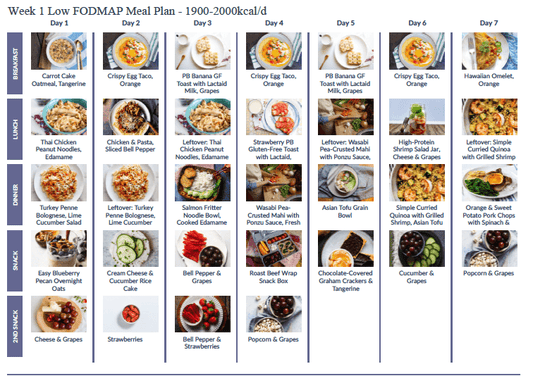
If you also have IBS tendencies, a low FODMAP approach can reduce gas and bloating triggers while you're adapting to semaglutide. This is where some people do better with lactose-free dairy, smaller portions of legumes, and carefully chosen fruits.
Fiber Choices That Reduce Bloating While Supporting Regularity
Constipation and nausea often travel together on GLP-1 therapy. When stool backs up, the whole system can feel more nauseated. But loading up on the wrong fiber can create more gas.
Gentler fiber strategies include:
- Soluble fiber over large amounts of rough insoluble fiber. Soluble fiber tends to be better tolerated.
- Small portions of low FODMAP fiber foods: oats, chia (in modest amounts), kiwi, oranges, cooked carrots, zucchini.
- Gradual increases only. A sudden fiber jump can backfire.
If you use fiber supplements, introduce them slowly and pair them with adequate fluid, otherwise constipation can worsen.
Trigger Foods To Limit: Greasy, Spicy, Alcohol, And Carbonation
Some triggers are consistent across patients:
- Greasy or fried foods: longer digestion time, more reflux, more nausea
- Spicy foods: can irritate the upper GI tract and worsen reflux
- Alcohol: can worsen dehydration, nausea, and sleep (and sleep loss can amplify symptoms)
- Carbonated drinks: increase gas and stomach pressure
You don't necessarily need to avoid these forever. But during titration (and especially the 24 to 72 hours after an injection), keeping meals simpler often pays off quickly.
Dose-Day And Dose-Escalation Planning
A lot of people can reduce nausea simply by planning around the pharmacology. Wegovy is dosed weekly, and side effects often cluster in predictable windows.
Best Practices For Injection Timing And Routine
There's no universal "best day," but there are patterns that help:
- Choose an injection day that gives you flexibility the next day. If you tend to feel worse within 24 hours, don't set yourself up for a day of back-to-back meetings or travel.
- Keep meals smaller the day of and the day after your injection. Many people notice that heavy dinners on shot day are a recipe for overnight nausea.
- Avoid experimenting with rich restaurant meals right after dosing. Save those for later in the week when symptoms are calmer.
Some people feel better eating a small, bland meal about 30 minutes after the injection rather than going long stretches without food.
What To Do If Nausea Spikes After A Dose Increase
Dose increases are a common nausea trigger because your body is adjusting to a stronger GLP-1 signal.
If your nausea spikes after moving up:
- Return to the basics for a few days: small meals, low fat, bland options, and steady sips of fluid.
- Prioritize hydration and constipation prevention. A backed-up gut can make a dose increase feel dramatically worse.
- Track the pattern: when it starts, when it peaks, and what foods worsen it. This data helps your prescriber tailor the plan.
Importantly, severe nausea is not a moral failing and it's not "proof it's working." It's a signal your current strategy may need adjustment.
When To Talk To Your Prescriber About Holding, Slowing, Or Reducing The Dose
The Wegovy titration schedule is designed to improve tolerability, but real patients aren't all the same. Talk to your clinician if:
- Nausea is persistent and not improving after several weeks at a dose
- You're vomiting, can't meet fluid needs, or are losing weight too rapidly
- You're unable to eat enough protein or calories to function
In practice, clinicians may consider extending the time you stay at a given dose before increasing, temporarily holding escalation, or (in select cases) stepping back to a previously tolerated dose. Those decisions are individualized and should be made with your prescribing team.
Medication And Supplement Options To Discuss With Your Clinician
If lifestyle changes aren't enough, it's reasonable to ask about additional support. The goal is symptom control without creating new problems like constipation, excessive sedation, or drug interactions.
OTC Options: What's Reasonable And What To Avoid
Over-the-counter options sometimes used for nausea or related symptoms include:
- Antacids or acid reducers for reflux-driven nausea (if heartburn is part of the picture)
- Ginger preparations (as discussed earlier)
What to be cautious with:
- Products that heavily slow gut motility. Since semaglutide already slows gastric emptying, adding additional "slowdown" can worsen bloating and nausea in some people.
- Frequent use of sedating antihistamines for nausea without clinician input (they can cause next-day grogginess and worsen constipation).
Always check with your clinician or pharmacist, especially if you're on other medications or have a history of arrhythmias, glaucoma, or urinary retention.
Prescription Antiemetics: How They're Used With GLP-1s
For moderate to severe nausea, clinicians sometimes prescribe antiemetics (anti-nausea medications). Ondansetron is a commonly used example. These medications are typically used as short-term support during titration or after a dose increase, not necessarily forever.
If your clinician prescribes an antiemetic, ask two practical questions:
- When should you take it relative to your injection or meals?
- What side effects should you watch for (constipation is a big one for some antiemetics)?
Managing Constipation And Reflux That Can Worsen Nausea
Two common nausea amplifiers on Wegovy are constipation and reflux.
Constipation support often involves a combination of:
- Fluids and electrolytes
- Gradual fiber, choosing better-tolerated forms
- Movement (even short walks help stimulate gut motility)
- Targeted laxatives or stool softeners when appropriate, guided by your clinician
Reflux support typically focuses on:
- Smaller meals, especially at night
- Staying upright after eating
- Avoiding high-fat meals and late alcohol
- Discussing acid-suppression therapy with your clinician if symptoms are frequent
If you're noticing nausea plus sour taste, burping, or burning in the chest, addressing reflux can meaningfully improve your day-to-day tolerance.
Special Situations: Perimenopause, Menopause, And Lifestyle Factors
Your Wegovy experience doesn't happen in a vacuum. Hormones, sleep, stress, and routines can change nausea sensitivity week to week, even at the same dose.
Hormone Shifts, Sleep, And Stress: Why Symptoms Can Fluctuate
Perimenopause and menopause can affect GI function through changes in estrogen and progesterone, shifts in stress hormones, and sleep disruption. Poor sleep increases nausea sensitivity for many people, and stress can heighten gut-brain signaling (the same axis that GLP-1 medications influence).
If your nausea seems to flare during high-stress weeks or around hormonal changes, you're not imagining it. Keeping a simple symptom log (sleep hours, stress level, bowel movements, injection timing) can reveal patterns worth acting on.
Caffeine, Exercise, And Travel: Practical Adjustments
Three common real-life triggers:
- Caffeine: On an empty stomach, it can worsen nausea or reflux. If you love coffee, consider taking it with a small protein-containing bite and reducing the dose on shot day.
- Exercise: Intense training right after dosing can aggravate nausea for some people. A gentler walk, light cycling, or strength session later in the week may feel better.
- Travel: Irregular meals plus dehydration is a perfect storm. Pack bland, protein-forward snacks and electrolytes, and aim for steady sipping.
If You're Also Changing HRT Or Other Medications
If you're adjusting hormone replacement therapy (HRT), thyroid medication, iron, metformin, antibiotics, or pain medications at the same time you're titrating Wegovy, nausea can be harder to interpret.
Tell your prescriber exactly what changed and when. Even "simple" supplements can matter. Timing adjustments (for example, taking certain medications with food, or separating iron from other meds) can reduce nausea without changing your Wegovy plan.
When Nausea Means You Should Seek Urgent Care
Most Wegovy nausea is manageable. But some symptoms should move you from "try home strategies" to "get evaluated."
Signs Of Dehydration, Persistent Vomiting, Or Inability To Keep Fluids Down
Seek urgent care if you have:
- Repeated vomiting or you can't keep fluids down for many hours
- Lightheadedness when standing, fainting, confusion, or a racing heartbeat
- Very dark urine or very low urine output
Dehydration can become serious quickly, and it also worsens constipation and nausea in a vicious cycle.
Severe Abdominal Pain, Fever, Or Jaundice: What Not To Ignore
Go in urgently (or contact emergency services) for:
- Severe, persistent abdominal pain (especially if it radiates to the back)
- Abdominal pain plus fever
- Yellowing of the skin or eyes (jaundice), pale stools, or dark urine
These symptoms can indicate conditions that require prompt evaluation, including pancreatitis or gallbladder disease. It's always better to be evaluated and reassured than to wait at home with escalating pain.
Conclusion
Wegovy nausea is common, especially early on and during dose increases, but it's usually not permanent. The most effective approach is boring in the best way: smaller meals, lower fat, steady hydration, and a plan for shot day. When symptoms don't improve, the next step isn't willpower. It's a thoughtful conversation with your clinician about pacing, supportive medications, and preventing constipation or reflux from making everything worse.
GI side effects don't have to be the price of admission for GLP-1 therapy. Casa de Sante offers physician-formulated gut support products built for the specific digestive challenges these medications create. Explore your options at casadesante.com.
This article is for educational purposes only and is not medical advice. Always consult your healthcare provider before making changes to your treatment plan.
Frequently Asked Questions About Managing Wegovy Nausea
Why does Wegovy cause nausea, and is it a sign the medication is working?
Wegovy (semaglutide) can cause nausea because GLP-1 signaling slows gastric emptying and changes brain-gut appetite signals, making meals sit longer and feel “too heavy.” It’s a common mechanism-related side effect, not proof of success. Managing Wegovy nausea focuses on hydration, smaller meals, and dose pacing.
When is Wegovy nausea most likely to happen (shot day vs. dose increases)?
Wegovy nausea is most common in the first month, the day of injection or the day after (“shot day”), and after each dose increase. Many people notice improvement after about 4–5 weeks at a stable dose, and overall symptoms often ease across the first 8–12 weeks of treatment.
How to manage Wegovy nausea with food—what should I eat and avoid?
To manage Wegovy nausea, shift to small, frequent meals, eat slowly, and stop at the first sign of fullness. Choose bland, low-fat foods (toast, rice, oats, broth soups, crackers, bananas) and prioritize gentle protein (yogurt, eggs, tofu). Limit greasy/fried foods, spicy meals, alcohol, and carbonation.
What’s the best way to stay hydrated when Wegovy nausea makes drinking hard?
Sip fluids steadily instead of chugging, since large volumes can worsen queasiness when gastric emptying is slowed. If intake is low or you’ve vomited, consider diluted electrolytes to help retain fluid. Keep carbonation minimal, try cold drinks or ice chips, and stay upright after eating or drinking.
What can I take for Wegovy nausea (ginger, OTC remedies, or prescriptions like Zofran)?
Ginger (tea/chews/capsules) and peppermint may help some people, though peppermint can worsen reflux. Acid reducers can help if heartburn is driving nausea. For moderate to severe Wegovy nausea, clinicians sometimes prescribe antiemetics like ondansetron (Zofran), often short-term during titration; ask about constipation risk and timing.
When should I contact a clinician or seek urgent care for Wegovy nausea?
Contact your prescriber if nausea is persistent for weeks at a dose, you can’t meet fluid/protein needs, or symptoms spike badly after an increase—slower titration or holding a dose may help. Seek urgent care for severe abdominal pain, persistent vomiting/inability to keep fluids down, dehydration signs, fever, or jaundice.