Wegovy, Growth Factors, And Cellular Repair: What The Science Actually Suggests In 2026








If you've searched "Wegovy growth factor cellular repair," you're probably trying to reconcile two things that can feel contradictory: GLP-1 medications help you lose weight, but rapid weight loss can make your skin, muscle, and energy feel like they're playing catch-up.
Here's the nuance. Semaglutide (Wegovy) clearly changes biology beyond appetite and blood sugar, including pathways involved in inflammation control, antioxidant defense, and growth-factor signaling. But the clinical question you actually care about is simpler: does that translate into better healing and "repair" in real life, especially while you're eating less? Let's talk about what the science supports in 2026, and what's still uncertain.
How Wegovy (Semaglutide) Affects Growth-Factor Signaling And Tissue Repair Pathways
Semaglutide is a GLP-1 receptor agonist, meaning it mimics a hormone (GLP-1) that helps regulate appetite, insulin secretion, and gastric emptying. But GLP-1 receptors also show up in tissues beyond the pancreas, and that's where the "cellular repair" conversation comes from.
In preclinical and lab models, semaglutide appears to shift gene expression in a direction that looks pro-repair and anti-inflammatory. Specifically, studies have reported upregulation of growth factors such as EGF (epidermal growth factor) and FGF (fibroblast growth factor). Those are signals your body uses to support cell proliferation (making new cells), migration (cells moving into a wound area), and extracellular matrix rebuilding (the scaffolding that gives tissues structure).
On the structural side of repair, semaglutide has been associated with increased expression of collagen-related genes (including COL1A1, COL3A1, COL4A1, and COL6A1) in certain experimental settings. Collagen is not just a "skin" protein: it's a foundational component of connective tissue, vascular structures, and the matrix that supports healing.
At the same time, the inflammatory environment matters. Chronic, high inflammation tends to impair healing and worsen tissue breakdown. Semaglutide has been shown in some models to downregulate pro-inflammatory cytokines (like IL1B and IL2) and reduce MMP activity (matrix metalloproteinases), enzymes that can degrade collagen and extracellular matrix when overactive.
Then there's oxidative stress, which is essentially cellular "rusting" driven by reactive oxygen species (ROS). In fibroblast models, semaglutide has been linked with upregulation of antioxidant enzymes such as SOD1, catalase (CAT), and glutathione peroxidases (GPX1/GPX4). In plain English: it may help cells neutralize oxidative stress, improving cell viability and supporting wound closure dynamics in a dish.
Where this gets especially interesting is that some tissue benefits observed in conditions like osteoarthritis and metabolic-associated steatohepatitis (MASH) appear to go beyond weight loss alone. In osteoarthritis models, semaglutide has been described as reprogramming chondrocyte (cartilage cell) metabolism toward more efficient energy production, supporting cartilage repair signals. In MASH, clinical data show meaningful reductions in liver inflammation and injury features, with improvements in fibrosis measures in some analyses.
Important reality check: much of the "growth factor" and "fibroblast migration" detail is still largely in vitro (cell culture) or animal-based. Human outcomes are the real standard, and they can look messier because nutrition intake, protein status, sleep, and underlying disease all change the healing equation.
What This Means For Skin, Muscle, And Gut Lining While Losing Weight On GLP-1s
Even if semaglutide supports certain repair pathways at a cellular level, your day-to-day experience on Wegovy is shaped by a competing force: you're often eating less than before, sometimes dramatically less. Repair is biologically "expensive." It needs amino acids, micronutrients, and energy.
Skin: repair signaling versus the reality of rapid change
Your skin's "repair" is mostly a fibroblast story. Fibroblasts are the workhorse cells that produce collagen and help remodel the extracellular matrix after injury or stress. The lab findings suggesting improved fibroblast viability and wound closure are encouraging, especially in contexts like impaired wound healing.
But many people on GLP-1s aren't worried about a cut healing 12 hours faster. They're worried about texture changes, dullness, or the looseness that can show up when weight drops quickly.
Here's the practical translation: semaglutide may tilt the internal environment toward lower inflammation and better antioxidant balance, which are generally supportive of healthy skin function. Yet rapid fat loss can still outpace the skin's mechanical ability to tighten, and reduced intake can mean you're short on protein, vitamin C, zinc, or essential fatty acids that support barrier function and collagen synthesis.
Muscle and joints: "cell repair" doesn't automatically mean muscle preservation
For joints, especially cartilage, the osteoarthritis data are interesting because they imply metabolic effects in chondrocytes that aren't solely explained by less load from weight loss. If you have knee pain that improves on GLP-1 therapy, weight reduction is still a major driver, but cellular-level shifts may be part of the story.
For skeletal muscle, the situation is different. Muscle loss during weight loss is common, and GLP-1s can increase that risk indirectly by suppressing appetite and overall protein intake. "Growth factors" like EGF and FGF discussed in fibroblast and cartilage contexts don't equate to muscle-building signals in the way most people assume.
So if you're noticing weakness, a flatter look, or reduced exercise capacity, it's not that Wegovy is "damaging muscle" directly in some simplistic way. It's more often that you're in a larger calorie deficit than you realize, protein has slipped, resistance training is inconsistent, and recovery is impaired.
Gut lining: plausible benefits, limited direct data
Many readers assume GLP-1s "wreck your gut." The truth is more nuanced.
Wegovy slows gastric emptying, which can drive nausea, reflux, and early fullness. That's a motility issue (movement), not necessarily mucosal injury (damage to the lining). On the "repair" side, we have stronger evidence in organs like the liver (MASH improvements) than we do directly in intestinal mucosa in humans. Lower systemic inflammation and better metabolic control can indirectly support gut barrier function, but direct clinical data showing semaglutide rebuilding gut lining in people are still limited.
One more critical nuance: surgical and wound-healing signals in humans are mixed. Some observational data have reported higher rates of wound complications such as dehiscence in certain surgical populations using GLP-1s. That doesn't mean Wegovy broadly "impairs healing," but it does highlight that real-world outcomes depend on context: nutrition status, nausea control, comorbidities (like diabetes), and whether the medication is paused around surgery per clinician guidance.
Bottom line: the molecular story is promising, but your visible results (skin firmness, muscle tone, GI resilience) will depend heavily on whether your body has the building blocks to actually execute repair while weight is dropping.
How To Support Healthy Repair During Wegovy Weight Loss (Protein, Micronutrients, Sleep, And GI Tolerance)
If you want "cellular repair" to be more than a buzzword, think in inputs and constraints. Wegovy can improve metabolic signaling and lower inflammation for many people. Your job is to avoid the common bottlenecks that make repair harder: low protein, micronutrient gaps, poor sleep, and untreated GI side effects.
Protein: the non-negotiable substrate for tissue remodeling
Collagen, enzymes, immune proteins, and muscle contractile proteins are all made from amino acids. If appetite suppression has you living on small bites and coffee, repair will be limited no matter what growth factors are doing upstream.
General clinical targets often land around 1.2 to 1.6 g/kg/day of protein during weight loss for people trying to preserve lean mass, with personalization based on kidney function, activity level, and overall health. You don't need to hit a perfect number daily, but you do need a consistent pattern.
Practical strategies when you're not hungry:
Aim for a protein-forward first meal, even if it's small.
Use split dosing: smaller protein servings 3 to 4 times per day can feel more tolerable than one large portion.
Prioritize leucine-rich proteins (whey, dairy, eggs, lean meats, soy) if you tolerate them: leucine is a key amino acid for muscle protein synthesis.
Micronutrients: small deficits add up fast on GLP-1s
When portions shrink, micronutrient density becomes a bigger deal. For tissue repair and antioxidant defense, these are the usual suspects:
Vitamin C: required for collagen cross-linking: low intake can show up as easy bruising or slower recovery.
Zinc: supports wound healing and immune function.
Vitamin D: linked to muscle function and immune regulation.
Iron and B12: relevant if you're fatigued, lightheaded, or eating less animal protein.
Omega-3 fatty acids: may support inflammation balance and skin barrier function.
You don't need a cabinet full of supplements, but you do need an honest assessment of intake. Many people on GLP-1 therapy benefit from a physician-designed multinutrient approach specifically because "I eat healthy" starts to mean "I eat very little."
Sleep: where repair signaling actually gets time to work
Sleep is when your body does much of its rebuilding. Growth hormone pulses during deeper sleep stages, and sleep loss increases inflammatory signaling and insulin resistance, both of which can undermine your results.
If Wegovy nausea or reflux is disrupting sleep, address that with your clinician. Small adjustments (meal timing, trigger foods, hydration patterns, dose escalation pace) can matter.
Training and movement: send the right message to your tissues
If you want your body to keep muscle, you have to give it a reason. Resistance training is the clearest signal. Two to four sessions per week, focused on major movement patterns, tends to be a realistic target.
If you're dealing with joint pain, low-impact strength work still counts: machines, bands, bodyweight tempo training, and water-based options are all legitimate.
GI tolerance: protect adherence and nutrient intake
This is the part many people underestimate. If you're nauseated, constipated, or bloated, you'll naturally eat less protein and fewer micronutrient-dense foods. Repair suffers downstream.
A few clinician-aligned principles that often help tolerability:
Choose smaller, lower-fat meals when nausea is prominent (fat slows stomach emptying further).
Hydrate steadily, not all at once.
Build fiber gradually: too much too fast can worsen bloating.
Don't ignore constipation. Slower motility can snowball into reflux, nausea, and poor intake.
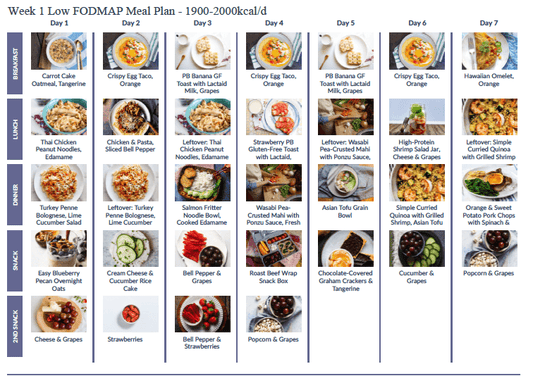
If you're also using IBS or low FODMAP strategies, keep them practical. The goal is a gut-calming pattern you can sustain while appetite is lower, not a restrictive plan that further reduces protein and overall nutrient intake.
Digestive discomfort is one of the most common reasons people struggle with GLP-1 medications. Targeted nutrition support can make a real difference in tolerability. Casa de Sante's physician-formulated digestive enzymes, synbiotics, and motility support supplements are designed specifically for sensitive stomachs on GLP-1 therapy. See what's available at casadesante.com.
Conclusion
In 2026, the science suggests Wegovy influences more than appetite: it can shift growth-factor signaling, reduce inflammatory noise, and strengthen antioxidant defenses in ways that look pro-repair in preclinical models. But your real-world "cellular repair" outcome depends on basics that aren't optional during rapid weight loss: adequate protein, micronutrient coverage, restorative sleep, resistance training, and GI side-effect control.
This article is for educational purposes only and is not medical advice. Always consult your healthcare provider before making changes to your treatment plan.
Wegovy Growth Factor and Cellular Repair FAQs
How does Wegovy (semaglutide) influence growth factor signaling related to cellular repair?
Wegovy upregulates growth factors like EGF and FGF, enhances collagen gene expression, reduces pro-inflammatory cytokines, and boosts antioxidant enzymes, promoting cell proliferation, tissue healing, and reducing inflammation in skin, cartilage, and liver tissues.
Can taking Wegovy improve skin repair during rapid weight loss?
Wegovy may support skin repair at the cellular level by promoting fibroblast activity and lowering inflammation. However, rapid weight loss and reduced nutrient intake can challenge skin tightening and collagen synthesis, so adequate protein and micronutrients remain crucial.
Does Wegovy help maintain muscle mass while losing weight?
While Wegovy positively affects some repair pathways, it doesn't directly stimulate muscle growth. Muscle loss risk increases due to appetite suppression leading to lower protein intake and insufficient resistance training, making proper nutrition and exercise essential during treatment.
Is there evidence that Wegovy supports gut lining repair?
Wegovy improves liver inflammation and fibrosis, suggesting potential mucosal benefits, but direct clinical data on intestinal lining repair in humans is limited. Its effect on gut motility can cause side effects that may indirectly impact nutrient absorption and repair.
What strategies support effective cellular repair during Wegovy therapy?
To enhance repair, prioritize adequate protein intake (1.2–1.6 g/kg/day), ensure sufficient micronutrients like vitamins C, D, zinc, and omega-3s, maintain restorative sleep, manage GI side effects for nutrient absorption, and engage in regular resistance training.
Why do some patients experience delayed wound healing or complications on GLP-1 medications like Wegovy?
Delayed healing may result from factors like nutritional deficits, nausea limiting intake, underlying health conditions, or medication timing around surgery. While molecular pathways are promising, real-world healing depends on overall nutrition, clinical context, and careful medical management.