Wegovy Diarrhea And Bloating: Causes, Relief Strategies, And When To Call Your Clinician








If you're on Wegovy (semaglutide) and you're dealing with diarrhea, bloating, or that uncomfortable "swollen" feeling after meals, you're not imagining it, and you're not alone. These are two of the most common gastrointestinal (GI) side effects reported with GLP-1 receptor agonists, especially during dose increases.
The good news: most cases are mild, temporary, and respond to a few practical adjustments. The more important news: there are specific warning signs that should push you to call your clinician promptly, because persistent or severe symptoms can signal dehydration or (rarely) a more serious complication.
Below, you'll learn why Wegovy can trigger diarrhea and bloating, what's considered "expected" versus concerning, and a step-by-step plan to calm symptoms without undermining your weight-loss progress.
Why Wegovy Can Trigger Diarrhea And Bloating
Wegovy is a GLP-1 receptor agonist. In plain English, it mimics a gut hormone (GLP-1) that helps regulate appetite, blood sugar, and digestion. That digestion piece is the reason many people feel GI side effects, especially early on or when the dose increases.
How Slower Gastric Emptying And Gut Motility Changes Affect Stool And Gas
Wegovy slows gastric emptying (how quickly your stomach empties into your small intestine). When food sits longer in the stomach, you can feel early fullness, nausea, burping, and bloating.
At the same time, GLP-1 medications can change intestinal motility (how the intestines move). For some people, that shift looks like constipation. For others, it can look like diarrhea, particularly if the overall coordination of digestion gets a little "off," leading to faster transit in parts of the bowel and less time for the colon to reabsorb water. The result can be looser or watery stools.
There's also a diet component. When your appetite drops, your eating pattern often changes quickly, different meal timing, smaller portions, more protein shakes, fewer carbs, more sugar-free products. Those shifts can change your gut microbiome (your intestinal bacteria), which can contribute to gas, bloating, and altered stool patterns.
Dose Escalation, Meal Size, And Higher-Fat Foods As Common Triggers
Many people notice the worst diarrhea and bloating:
During dose escalation (the step-ups in dose)
In the 24–72 hours after an injection
After large meals, especially if you ate quickly
After higher-fat foods
Higher-fat meals are a frequent trigger because fat naturally slows digestion, and when you combine that with a medication that already slows stomach emptying, you can end up with more upper-GI pressure (bloating, burping, nausea). In some people, higher-fat meals can also lead to more urgent, looser stools.
Portion size matters too. Wegovy changes the way your stomach signals fullness. If you eat past that new "stop" signal (even if the meal doesn't seem huge), your gut often pushes back.
Other Contributors: Sugar Alcohols, Lactose, Carbonation, And Fiber Overload
A lot of "healthy" or "diet-friendly" choices can backfire on GLP-1 therapy, at least temporarily.
Sugar alcohols (like sorbitol, xylitol, erythritol, maltitol) can pull water into the bowel and cause gas and diarrhea, especially in protein bars, sugar-free candy, and some electrolyte products.
Lactose can become an issue even if you didn't notice it before. If you've shifted toward more yogurt, whey shakes, or cottage cheese, mild lactose intolerance may suddenly show up as bloating or loose stool.
Carbonation adds gas. With slower gastric emptying, that gas has more time to build pressure and discomfort.
Fiber overload is a big one. Fiber is important for long-term health and regularity, but a sudden jump (for example, adding a high-dose fiber supplement on top of beans, cruciferous vegetables, and "keto" tortillas) can cause bloating, cramping, and diarrhea. With GLP-1s, gradual changes tend to be better tolerated.
What’s Normal Vs. A Red Flag
With Wegovy diarrhea and bloating, your main job is to separate "common and self-limited" from "this could be dehydration or something else."
Typical Timing: After Injections, After Meals, And During Dose Increases
Patterns that are commonly reported and often improve with time include:
Mild diarrhea or softer stools that cluster after injection day
Bloating or burping that shows up after meals (especially dinner)
A flare during the first 2–4 weeks of a new dose, then improvement
Occasional urgency after higher-fat meals or larger portions
If symptoms are mild, you can keep fluids down, and things trend better week over week, that generally falls into the "expected" bucket.
Warning Signs: Dehydration, Severe Pain, Fever, Blood, Or Persistent Symptoms
Call your clinician promptly (or seek urgent care depending on severity) if you notice any of the following:
Signs of dehydration: very dark urine, urinating much less, dizziness when standing, fast heartbeat, unusual fatigue, confusion
Inability to keep fluids down, or repeated vomiting
Severe or worsening abdominal pain (especially if it's persistent, localized, or radiates to your back)
Fever
Blood in the stool or black, tarry stools
Diarrhea that is severe (frequent watery stools) or persists more than a few days even though conservative steps
Rapid weight loss paired with weakness, lightheadedness, or fainting
Why the caution? Persistent GI symptoms can lead to dehydration and electrolyte abnormalities. And while uncommon, severe abdominal pain with vomiting can be a sign of pancreatitis or gallbladder disease, conditions that require medical evaluation.
If you have a history of inflammatory bowel disease, chronic GI conditions, or prior gallbladder issues, your threshold to call should be lower.
Step-By-Step Relief For Diarrhea While On Wegovy
When diarrhea hits on Wegovy, you want a plan that calms your gut, protects hydration, and reduces triggers, without turning your diet into a long-term restrictive situation.
Hydration And Electrolytes: A Simple Rehydration Plan
Diarrhea is less about "losing calories" and more about losing fluid and electrolytes (especially sodium and potassium). Rehydration is the priority.
A practical plan for the next 24 hours:
Aim for small, frequent sips rather than chugging large volumes (big boluses can worsen nausea).
Use an oral rehydration solution or an electrolyte drink that contains sodium (not just flavored water).
If you're nauseated, try cold fluids, ice chips, or diluted electrolyte solution.
Include salty broths or soups if tolerated.
A simple self-check: your urine should trend lighter, and you should be urinating regularly. If you're not, that's a reason to contact your clinician.
Food Choices For 24–48 Hours: Lower-Fat, Lower-Fiber, Easier-To-Digest Meals
For short-term symptom control, think "low fat, low insoluble fiber, gentle texture." This is where classic bland foods actually earn their reputation.
Options many people tolerate for 24–48 hours:
Bananas
Rice or plain oatmeal
Applesauce
Toast or plain crackers
Potatoes (baked/boiled, minimal added fat)
Skinless chicken, turkey, or eggs (simple preparation)
Low-fat soups and broths
Plain yogurt if you tolerate lactose: otherwise lactose-free yogurt
What to pause temporarily:
Fried foods, creamy sauces, and high-fat meals
Alcohol
Very spicy foods
Large salads, raw cruciferous vegetables, and bran-heavy products
Sugar-free candy/protein bars with sugar alcohols
High-dose fiber supplements (especially if you recently started one)
Once stools normalize, you can reintroduce fiber and fats gradually. The goal is not to avoid these foods forever, it's to stop the flare.
Medication And Supplement Considerations To Discuss: Loperamide, Bile Acid Issues, Magnesium, And Probiotics
If diarrhea is disruptive, you can ask your clinician about options like:
Loperamide (Imodium). This can help short-term for acute diarrhea, but it's not appropriate for everyone (for example, if there's fever, blood, or suspicion of infection).
Bile acid diarrhea. Some people have diarrhea driven by bile acids (more common after gallbladder removal, but not exclusive to that). If diarrhea is persistent and watery, your clinician may consider whether bile acid malabsorption is playing a role.
Magnesium. Certain forms (especially magnesium citrate) can cause diarrhea. If you're taking magnesium for sleep or cramps, this is a common "hidden" trigger.
Probiotics. Evidence is mixed, but some people do find that specific probiotic strains reduce diarrhea frequency. The key is to choose a product that's well-tolerated, start low, and reassess, because in some people, probiotics can worsen gas and bloating.
Also worth discussing: if symptoms reliably spike after each dose increase, your prescriber may consider a slower titration (increasing more gradually) or a temporary dose hold until your GI tract catches up.
Step-By-Step Relief For Wegovy Bloating And Gas
Bloating on Wegovy can feel strangely disproportionate, you're eating less, yet your stomach feels fuller. That's usually the slowed gastric emptying plus gas production and swallowing more air (often from eating quickly or drinking carbonated beverages).
Portioning And Eating Mechanics: Smaller Meals, Slower Eating, And Timing Fluids
Start with mechanics before supplements. These changes are boring, but they're often the highest-yield:
Shift from two larger meals to three to four smaller meals.
Stop at the first clear fullness signal. On GLP-1s, that signal comes earlier.
Slow down: aim for 15–20 minutes per meal if you can.
Avoid drinking large volumes during meals: try most fluids between meals.
Limit carbonation, straws, and gum (they increase swallowed air).
If you notice bloating mostly at night, consider making dinner the lightest meal of the day, with more calories earlier when motility is generally better.
Lower-FODMAP Adjustments For GLP-1 Users: What To Reduce First
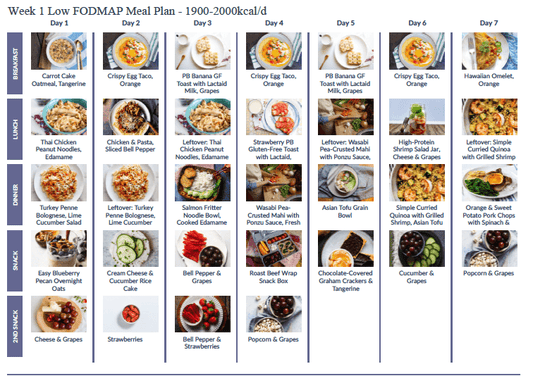
Not everyone needs a full low FODMAP diet, but targeted "first cuts" can reduce gas quickly. FODMAPs are fermentable carbohydrates that gut bacteria turn into gas.
If you're bloated, consider reducing these first (temporarily):
Onion and garlic (including powders in seasonings)
Beans and lentils
Large servings of wheat-based products
Certain dairy (milk, ice cream) if lactose is an issue
Apples, pears, mango, watermelon
Cauliflower and large servings of broccoli
Instead, choose lower-FODMAP swaps:
Rice, oats, quinoa, potatoes
Zucchini, carrots, spinach, bell peppers
Berries, citrus, grapes, kiwi
Lactose-free dairy or hard cheeses if tolerated
A quick note on "healthy" sweeteners: sugar alcohols commonly trigger gas and bloating. If your protein bar says "sugar-free," read the ingredient list.
Targeted Options: Simethicone, Peppermint, And Gentle Movement
A few targeted strategies to discuss with your clinician (or pharmacist) can help, especially when symptoms are episodic:
Simethicone can reduce gas discomfort for some people.
Peppermint oil may help intestinal spasm and bloating in certain individuals, though it can worsen reflux in some.
Gentle movement matters more than you'd think. A 10–15 minute walk after meals can reduce bloating by encouraging normal gut transit.
If your bloating comes with significant constipation, treating constipation tends to improve the bloating downstream. The two often travel together.
How To Prevent Symptoms Long-Term Without Undermining Weight-Loss Results
You shouldn't have to choose between tolerating Wegovy and feeling okay in your body. Long-term success usually looks like a predictable routine: protein-forward meals, steady hydration, and a fiber strategy that your gut can actually tolerate.
Build A "GLP-1 Friendly" Plate: Protein First, Then Low-Irritant Carbs And Fats
A simple structure that works well for many people on semaglutide:
Protein first: chicken, fish, eggs, Greek yogurt (or lactose-free), tofu/tempeh if tolerated. This supports satiety and helps protect lean mass during weight loss.
Then low-irritant carbs: rice, oats, potatoes, quinoa, sourdough or lower-fiber bread if you're flaring.
Then fats in smaller amounts: olive oil, avocado, nuts/nut butters, but in portions that don't trigger nausea or diarrhea.
If you're struggling with Wegovy diarrhea after richer meals, consider spreading fats more evenly across the day instead of concentrating them at dinner.
Fiber Strategy: Soluble Fiber, Gradual Increases, And When To Pause
Fiber helps long-term metabolic health, cholesterol, and stool quality, but the timing and type matter.
Soluble fiber (like psyllium) tends to be better tolerated than a sudden surge of rough insoluble fiber (like large raw salads or bran). The key is gradual increases.
Practical rules that protect your gut:
Increase fiber slowly (think: small increases every several days, not overnight).
Pair fiber with adequate fluids.
If you're in an active diarrhea flare, it can make sense to pause aggressive fiber dosing and restart gently once stools normalize.
Injection-Day And Post-Meal Routines That Reduce GI Upset
Many people find that planning around injection day reduces symptoms:
Keep injection-day meals simpler: smaller portions, lower fat, lower spice.
Avoid "testing your limits" with a heavy restaurant meal the same day or the day after your dose.
Prioritize sleep and hydration, fatigue and dehydration amplify nausea and cramping.
Build in a short post-meal walk when possible.
One more prevention tip that's easy to overlook: if you're using meal replacements or protein supplements, check for sugar alcohols, inulin/chicory root, or large doses of added fiber. Those can be great for some people, but rough for others on GLP-1 therapy.
Special Considerations For Perimenopause And Menopause
If you're in perimenopause or menopause, GI symptoms on Wegovy can feel more unpredictable. That's not in your head, hormones influence fluid balance, gut motility, and how sensitive your gut feels day to day.
Hormone Shifts, Constipation-Bloating Swings, And Fluid Retention
Changing estrogen and progesterone levels can affect bowel patterns. Some people swing between constipation and loose stools, and that back-and-forth often comes with bloating.
Add in common menopause-adjacent factors, sleep disruption, higher stress, shifts in activity, and changes in muscle mass, and your baseline gut resilience can be lower. Even mild dehydration can hit harder, which matters when diarrhea is in the picture.
If you notice cyclical flares (for example, worse symptoms in the same week each month during perimenopause), tracking can help you and your clinician spot patterns and adjust expectations.
Coordinating GLP-1s With Hormone Therapy And Common Supplements
If you're on hormone therapy (HT/HRT), or considering it, coordination matters. It's not that GLP-1s and hormone therapy can't coexist, many people use both, but your plan should be individualized.
Also review supplements with a critical eye:
Magnesium (some forms loosen stools)
Iron (often worsens GI upset and constipation, but can irritate the gut)
Berberine or metformin-like supplements (can worsen diarrhea)
High-dose vitamin C (can cause loose stools)
This is where a clinician who treats both metabolic health and menopause can be especially helpful, because the goal isn't just weight loss, it's tolerability, strength, and long-term healthspan.
Working With Your Prescriber: Practical Adjustments That Often Help
You don't get a prize for suffering through side effects. If Wegovy diarrhea and bloating are interfering with your life, looping in your prescriber early often prevents a small issue from becoming a "I had to stop the medication" situation.
When A Slower Titration Or Temporary Dose Hold Makes Sense
Many GI symptoms peak during dose escalation. A common clinical strategy (when appropriate) is:
Hold the dose where you are for longer, rather than increasing on the standard schedule
Pause escalation until symptoms stabilize
Consider a slower titration plan for your physiology
This is a prescriber decision, but it's worth discussing if each dose increase triggers several days of diarrhea, significant bloating, or dehydration risk.
Reviewing Other Meds That Worsen GI Symptoms: Metformin, NSAIDs, Iron, And Antibiotics
A lot of people on GLP-1 therapy are also on other medications or supplements that can irritate the GI tract.
Examples to review with your clinician:
Metformin (especially immediate-release) commonly causes diarrhea.
NSAIDs (like ibuprofen or naproxen) can irritate the stomach and worsen GI symptoms.
Iron supplements can cause nausea, cramping, constipation, or diarrhea depending on formulation and dose.
Antibiotics can disrupt the microbiome and cause diarrhea.
Sometimes the solution isn't "stop Wegovy." It's adjusting timing, formulation, dose, or the need for a medication that's adding fuel to the fire.
When To Evaluate For Other Causes: Infection, Gallbladder Issues, Pancreatitis, Or IBS Flares
If symptoms are severe, persistent, or atypical for you, your clinician may evaluate for other causes such as:
Infectious gastroenteritis (a stomach bug)
IBS flare (irritable bowel syndrome), especially if you're sensitive to FODMAPs
Gallbladder disease (more likely with rapid weight loss: may cause right upper abdominal pain, nausea, symptoms after fatty meals)
Pancreatitis (classically severe, persistent upper abdominal pain, often with vomiting)
The takeaway: Wegovy can cause diarrhea and bloating, but not every episode is automatically "just the medication." If your body is telling you something feels different or severe, it's appropriate to get checked.
Conclusion
Wegovy diarrhea and bloating are common, especially around injection day and during dose increases, but common doesn't mean you have to white-knuckle it. The most reliable relief usually comes from a few fundamentals: protect hydration, simplify meals for 24–48 hours when you flare, reduce high-fat and high-gas triggers, and adjust fiber slowly instead of aggressively.
Most importantly, know your red flags. Dehydration, severe or persistent pain, fever, blood in stool, or symptoms that don't improve deserve a real-time conversation with your clinician.
GI side effects don't have to be the price of admission for GLP-1 therapy. Casa de Sante offers physician-formulated gut support products built for the specific digestive challenges these medications create. Explore your options at casadesante.com.
This article is for educational purposes only and is not medical advice. Always consult your healthcare provider before making changes to your treatment plan.
Frequently Asked Questions About Wegovy Diarrhea and Bloating
Why does Wegovy cause diarrhea and bloating?
Wegovy (semaglutide) is a GLP-1 receptor agonist that slows gastric emptying and alters gut motility. That can create upper-GI pressure (bloating, burping) and, in some people, faster intestinal transit so the colon absorbs less water—leading to looser stools or diarrhea, especially early on.
When is Wegovy diarrhea and bloating “normal” vs a red flag?
Wegovy diarrhea and bloating are often expected during dose increases, after injection day, or after meals, and usually improve over a few weeks. Call your clinician promptly for dehydration signs, inability to keep fluids down, fever, blood/black stools, severe or persistent abdominal pain, or diarrhea lasting more than a few days despite conservative steps.
What should I eat for the first 24–48 hours if I have Wegovy diarrhea?
For a flare, choose low-fat, low-fiber, easy-to-digest foods: bananas, rice or plain oatmeal, applesauce, toast/crackers, potatoes, broth-based soups, and simply prepared lean protein (eggs, chicken, turkey). Temporarily pause fried/creamy foods, alcohol, spicy meals, sugar alcohol products, and high-dose fiber supplements.
How can I reduce Wegovy bloating and gas after meals?
Start with meal mechanics: eat smaller portions, slow down (about 15–20 minutes), stop at the first fullness signal, and sip fluids mostly between meals. Avoid carbonation, straws, and gum. If needed, consider targeted options like simethicone, peppermint (if reflux allows), and a 10–15 minute walk after meals to support transit.
Do high-fat foods and sugar-free sweeteners make Wegovy diarrhea and bloating worse?
Yes, they commonly can. High-fat meals can intensify nausea, bloating, and sometimes urgent, loose stools because fat already slows digestion and can compound Wegovy’s effects. Sugar alcohols (like sorbitol, xylitol, erythritol, maltitol) can pull water into the bowel and create gas—often triggering diarrhea and bloating.
Can I take Imodium (loperamide) or probiotics for Wegovy diarrhea?
Sometimes, but check with your clinician. Loperamide may help short-term for acute diarrhea, but it’s not appropriate if you have fever, blood in stool, or suspected infection. Probiotics have mixed evidence; they may help some people but can worsen gas/bloating in others, so start low and reassess tolerance.